Introduction to Physiognomy and Moles
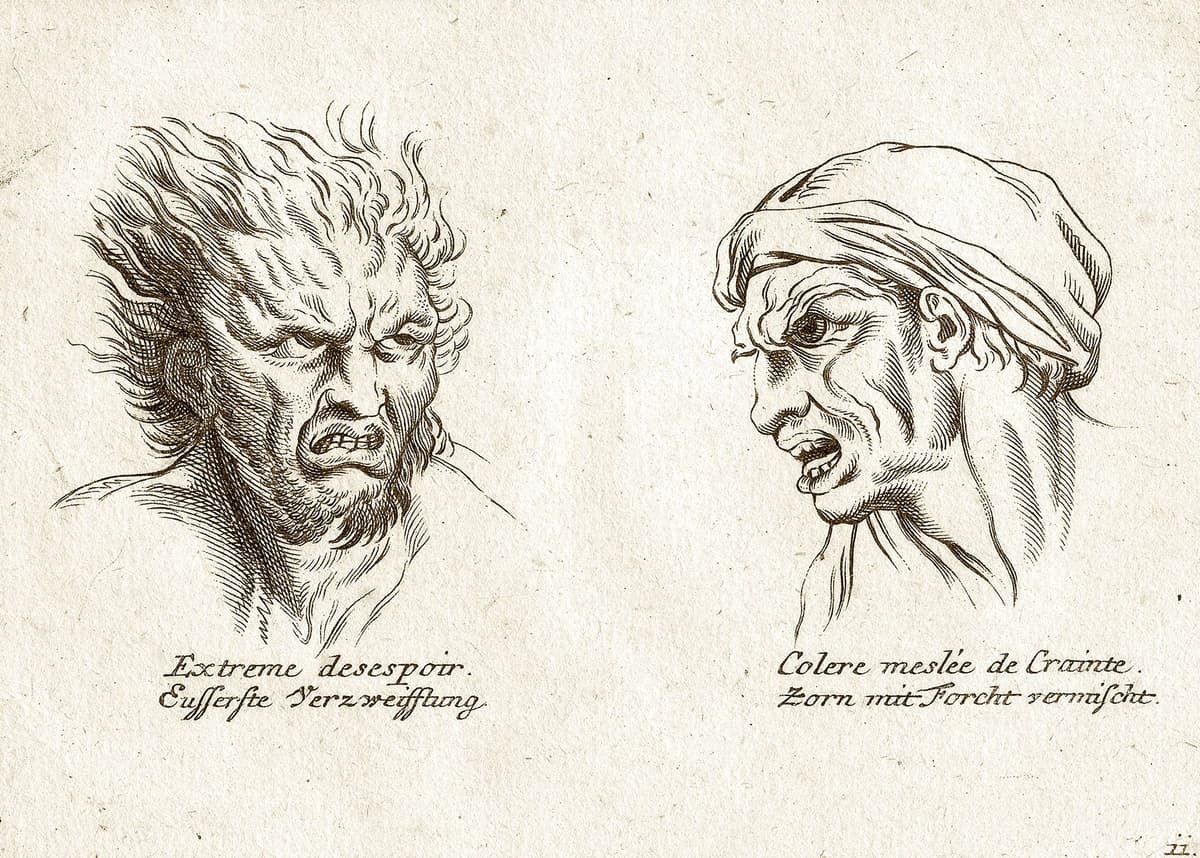
Physiognomy is a mystical Eastern discipline that studies the connection between bodily features and a person's character and destiny. In this framework, moles are not just biological skin marks but are considered significant "imprints" that reveal hidden aspects of one's nature and future.
Unlike the Western view, which often regards moles as benign skin growths, people in Asia have long believed that each mole's location carries its own spiritual meaning and forecast. According to sources like VnExpress, in classical astrology and Indian physiognomy, moles are seen as indicators of personality and fate. Many cultures view moles as lucky signs, while others see them as warnings, but generally, they are always attributed deeper significance than mere pigmented spots.
Moles on the Legs and Feet: Symbols of Movement and the Desire for Freedom
According to VnExpress, moles on the legs often evoke the image of a person constantly in motion, not only physically but also mentally. They are the type to make plans, refuse to stay still, and rarely get "stuck" in a situation or a rut. This suggests a dynamic spirit, always looking forward.
Specifically, in Chinese and Indian cultural traditions, moles on the feet, particularly on the soles, are considered clear signs of a person who loves to travel. They are believed to carry a deep desire to explore new lands, encounter different cultures, and constantly seek experiences beyond their comfort zone. A common belief is that these individuals are destined to live far from their homeland or to frequently move for work and life.
Analyzing the Meaning of Moles at Specific Locations on the Sole
Not all moles on the sole have the same meaning. According to physiognomy texts, the exact location of the mole creates different shades of interpretation, similar to examining moles on other body parts. Here are some detailed analyses:
Mole on the Heel
Many schools of physiognomy suggest that a mole on the heel indicates a life of hard work, diligence, and many responsibilities. These individuals have a high sense of duty, willing to shoulder family and social burdens. However, their hard work and perseverance will lead to well-deserved rewards later in life. They are the type to rise from hardship, appreciate the value of labor, and often have a solid support system.
Mole on the Ball of the Foot (Front Part, Near the Toes)
A mole in this area, especially on the toes or the front of the sole, is often seen as a sign of intelligence, quick-wittedness, and creativity. These people have sharp minds and are often pioneers in new fields. They also have leadership qualities, enjoy exploring, and conquer new heights. In their careers, they often succeed in areas requiring creativity, communication, and dynamism. If a woman, she is strong, independent, and decisive; once she sets a goal, she will not turn back.
Mole in the Arch (the Hollow Area)
The arch of the foot is considered a special location. Many believe a mole here signifies good intuition and high sensitivity. These individuals can perceive and judge people and situations with subtlety. However, it may also indicate indecisiveness in certain situations. In terms of destiny, such a person may go through many ups and downs, with prosperous periods interspersed with difficulties, before achieving stability.
A Multifaceted View of Moles on the Soles
Cultural and Spiritual Perspective
As mentioned, Asian culture places great importance on decoding body signs. A mole on the sole, being in a hidden area rarely exposed to sunlight, is even more regarded as a special "mark of fate." It is not simply a result of skin pigmentation from UV exposure, as modern science explains, but a message from the universe or karma from past lives. Having a mole on the sole is often interpreted as carrying a "mission" to travel and move to accomplish great goals in life.
Scientific Perspective
In contrast to spiritual beliefs, modern science explains moles purely biologically. Moles form when melanocytes (pigment-producing cells) grow in clusters rather than evenly distributed. Most moles appear due to genetics and sun exposure. Having a mole on the sole, a place not regularly exposed to sunlight, suggests genetics play a primary role. This view makes no mention of spiritual or destiny meanings. This difference highlights moles as an interesting subject where empirical science and cultural belief intersect.
Differences Across Cultures
Not only are there differences between science and spirituality, but even within Eastern cultures, interpretations vary. While Chinese and Indian cultures emphasize travel and exploration, some other folk beliefs consider a mole on the sole a sign of someone who will "endure sun and rain," working hard for family and loved ones. They may not necessarily travel far geographically, but they face many hardships and worries in daily life. This diversity in interpretation makes mole reading rich and without a single definitive conclusion.
Moles on the Soles and Other Body Locations: An Overview
To better understand the value of reading a mole on the sole, we can place it within the broader context of the entire body. Each mole location is believed to reflect a different aspect of a person's life.
- Moles on the face and head: Often relate to personality, intellect, and social relationships. For example, a mole near the eyebrow is said to bring luck in work, while a mole on the cheek is a sign of sensitivity and emotional depth.
- Moles on the arms and shoulders: Often associated with ambition, ability to act, and burdens of responsibility. A mole on the arm suggests strength and decisiveness. A mole on the shoulder indicates a responsible person who dares to face challenges.
- Moles on the chest and back: Often reflect emotional life, passion, and past experiences. A mole on the right chest is linked to confidence, while a mole on the back is a mark of hidden responsibilities or latent abilities.
Compared to these, a mole on the sole stands out for its meaning of movement, freedom, and life's journey. It does not speak of static wealth like a mole on the nose or chin, but of a dynamic journey, a fate tied to travels and new lands.
Considerations When Reading a Mole on the Sole
According to physiognomy experts, when examining the meaning of a mole, one should look beyond location to its color, elevation, size, and clarity.
- Color: Moles that are black or dark brown, clear, are generally considered more positive and influential than pale moles. Red or pink moles are often seen as less lucky.
- Elevation: A raised mole is considered a "bright mole," bringing visible good things. Conversely, a flat, deep-set mole is a "dark mole," carrying more hidden meanings.
- Aesthetics: A round, symmetrical mole without hair growing from it is usually considered auspicious. A mole with an odd shape or unclear edges may carry more negative implications.
Conclusion
In summary, according to folk physiognomy, a mole on the sole of the foot is a special sign, often linked to a free-spirited personality, a love for travel, and a destiny filled with journeys. While the specific location may add nuances, the common thread is a dynamic life, constantly moving and exploring.
However, it must be emphasized that these are folk beliefs for reference, passed down through generations, not absolute scientific truths. A person's destiny and character are shaped by many other factors, such as environment, education, and especially personal effort. Learning about moles should be seen as a way to understand oneself and traditional cultural values, rather than becoming overly dependent or worried about predictions.