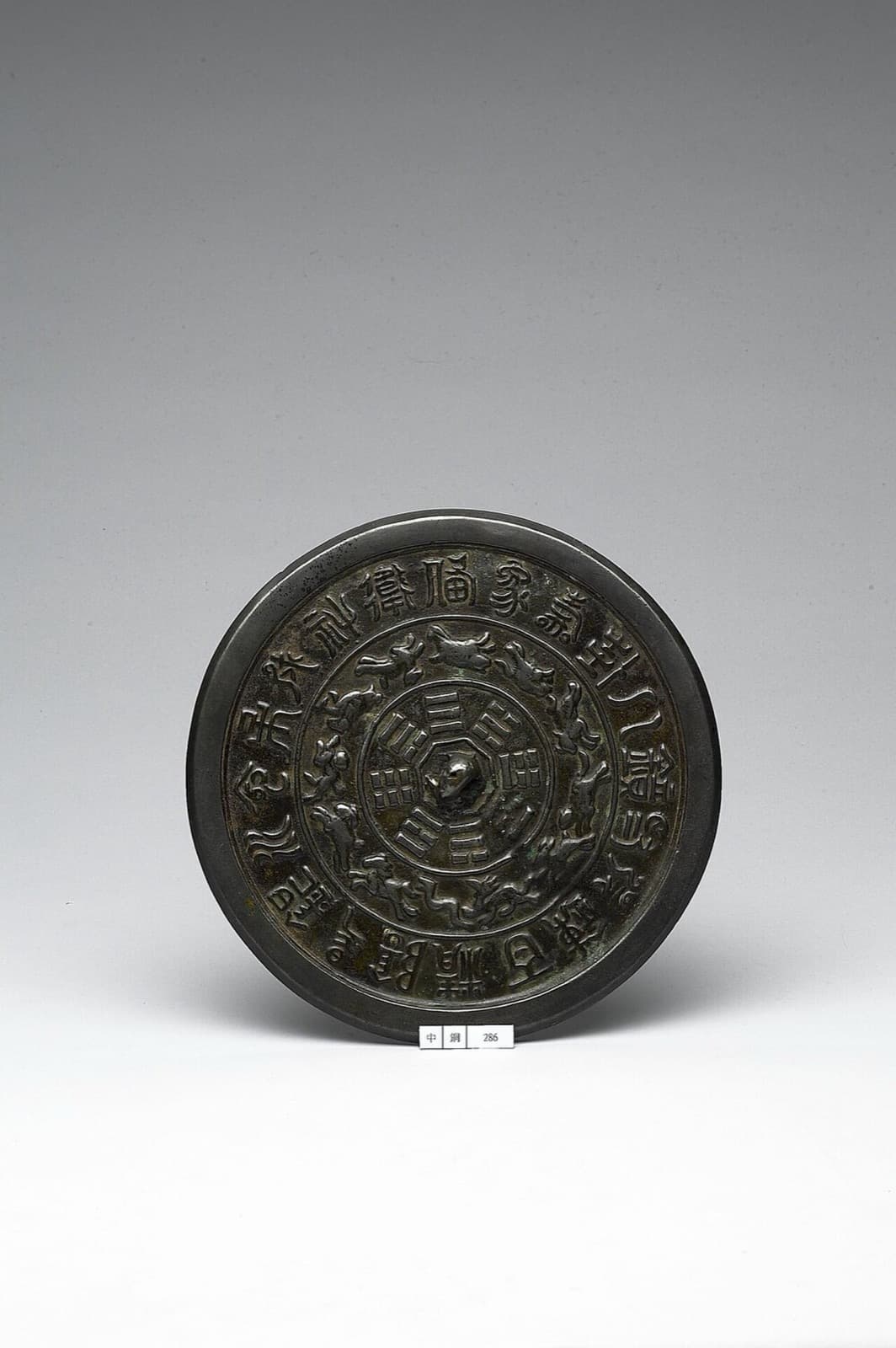
Introduction to the 24 Mountains System
The 24 Mountains system is the core foundation of geomantic feng shui, widely used for orienting houses, graves, and important structures. Unlike a standard compass with only eight main directions, the 24 Mountains divide the 360-degree circle into 24 equal parts, each spanning 15 degrees. This system integrates the 12 Earthly Branches, 10 Heavenly Stems, and four trigrams of the I Ching (Qian, Kun, Gen, Xun) to create a detailed energy map. Each mountain represents not only a geographic direction but also carries its own attributes of five elements, yin-yang, and interactive relationships with other mountains. Among these, Chou Mountain is an important Earthly Branch mountain located in the northeast sector of the compass.
Geographic Position and Boundaries of Chou Mountain
Chou Mountain spans from 22.5 to 37.5 degrees on the feng shui compass, with its exact center at 30 degrees. Geographically, Chou belongs to the Gen palace in the Later Heaven Bagua, i.e., the northeast. It lies between Gui Mountain (a Heavenly Stem) to the north and Gen Mountain (a trigram) to the northeast. Its boundaries are precise: the left edge borders Gui at 22.5 degrees, and the right edge borders Gen at 37.5 degrees. The 15-degree span is divided into three equal parts of 5 degrees each. The central 5 degrees (27.5 to 32.5 degrees) is considered the true qi, while the two sides are adjacent qi. In practice, if the compass needle points to the central 5 degrees, it is called obtaining the true qi. If it deviates to either side, it may intrude into another mountain or fall into a boundary zone, known as void lines or yin-yang mismatch, depending on the specific rules of each school.
Five Elements and Yin-Yang of Chou Mountain
Chou Mountain belongs to the Earth element. This is significant because Earth is central, transforming and nurturing other elements. In the generating cycle, Earth generates Metal, so Chou supports Metal-element mountains. Conversely, Fire generates Earth, so Fire mountains can nourish Chou. In the controlling cycle, Wood controls Earth, so Wood-element mountains can exert pressure on Chou. Regarding yin-yang, Chou is Yin Earth. This derives from its position in the sequence of the 12 Earthly Branches, starting with Zi (Yang) and alternating. Chou is the second branch, hence Yin. The Yin nature of Chou reflects stillness, inward storage, and nurturing, fitting Earth's role of accumulating energy. In feng shui, accurately determining a mountain's yin-yang is crucial for assessing compatibility between mountain and facing direction, avoiding discord.
Na Jia and Triple Harmony Relationships of Chou Mountain
Na Jia of Chou Mountain
In the Na Jia system, Chou Mountain corresponds to the stem Yi. This relationship originates from the theory of coordinating Heavenly Stems and Earthly Branches in the I Ching. Specifically, Yi belongs to Wood, but when assigned to Chou, it carries special meaning. The combination of Yi Wood and Chou Earth creates an internal controlling relationship, reflecting the need for regulation and transformation. In practice, feng shui practitioners consider this Na Jia relationship when analyzing the influence of Heavenly Stems in period and great period luck. When the period qi reaches the Yi stem, Chou Mountain receives corresponding effects, bringing both opportunities and challenges depending on the specific context of the structure.
Triple Harmony Group and Configuration
Chou belongs to the Metal triple harmony group, comprising Si, You, and Chou. This is one of the most important relationships in feng shui, as triple harmony creates a durable link among three different directions. In this Metal group, Si is the growing phase, You is the peak, and Chou is the storage tomb. This means Chou acts as the repository, crystallizing the energy of the Metal group after its development and peak. In practice, when a house sits Chou, practitioners examine relationships with Si and You in the surrounding area. If water or dragon veins come from Si or You, combined with sitting Chou, it forms a complete triple harmony configuration, considered very auspicious because energy circulates and gathers fully. Conversely, if one of these three is missing, the group's qi may disperse or weaken.
Triple Meeting Group of Chou Mountain
Beyond triple harmony, Chou also belongs to the triple meeting group of Hai, Zi, and Chou, all in the north. The triple meeting group creates a convergence of an entire direction's energy, stronger than triple harmony but also prone to excess. When fully present, the qi field becomes extremely powerful, potentially bringing prosperity but also imbalance if not handled skillfully. In the case of sitting Chou, having water or mountains from Hai and Zi forms a triple meeting, requiring careful assessment of each factor's strength.
Significance of Sitting Chou and Facing Chou
Sitting Chou Facing Wei
When a house or grave sits Chou, it means the back rests on Chou Mountain and the front faces Wei (opposite on the compass). Sitting Chou belongs to Yin Earth, providing a stable, conservative foundation. Elementally, both sitting Chou and facing Wei are Earth, creating harmony between them. However, other factors must be considered: whether the dragon vein from behind suits Earth, and whether the water in front generates Earth. In the San He school, sitting Chou belongs to the Metal group, so if water comes from Metal directions like Si or You, or from Chou itself, it forms water generating the group, which is highly rated. Conversely, water from Wood directions like Yin or Mao may cause conflict, as Wood controls Earth and does not support Metal in this group.
Facing Chou and Special Cases
Facing Chou occurs when the main door or frontage of a structure faces Chou, meaning the house sits on Wei. This case is less common than sitting Chou because facing Chou is northeast, often receiving cold winds and weaker light than south or east. However, in feng shui, no direction is entirely good or bad; it depends on the overall context. Facing Chou belongs to Yin Earth, with a calm nature, suitable for those needing stability or working in fields requiring patience. When analyzing facing Chou, special attention should be paid to flying stars of each period. In the current period, if auspicious stars like Eight White (8) or Nine Purple (9) fly to the facing Chou, it brings luck in wealth and reputation. Conversely, if inauspicious stars like Five Yellow (5) or Two Black (2) arrive at the facing, appropriate remedies are needed.
Methods for Assessing Fortune for Chou Mountain
Principles Based on Dragon Veins
The dragon vein is the first factor to consider. The vein from behind must be solid, unbroken, and not weak. For Chou, which is Earth, the ideal dragon comes from Fire directions (since Fire generates Earth) or Earth directions. If the dragon comes from the south or southwest (Fire and Earth), it creates a generating and prosperous qi. Conversely, if the dragon comes from the east or southeast (Wood), careful assessment is needed because Wood controls Earth, potentially weakening Chou. Additionally, the form of the dragon matters. A rounded, soft shape suits Chou's gentle Earth nature. Sharp, pointed peaks create harmful qi incompatible with Yin Earth.
Principles Based on Water Methods
Water methods play a decisive role. Water is where qi gathers, determining prosperity or decline. For sitting Chou in the Metal group, water from Metal directions like Si or You is considered strong water, bringing abundant wealth. Water from Earth directions like Chou, Wei, Gen, or Kun is also good because Earth generates Metal. Conversely, water from Fire directions like Si or Wu may cause loss because Fire controls Metal (although Fire generates Earth, in the Metal group Fire is the controller). Water from Wood directions like Yin or Mao is most unfavorable, as Wood controls Earth, weakening Chou's root, and Wood does not support Metal. Beyond direction, the water's form matters. Water should curve and embrace the structure, not rush straight. Water pooling in front into a pond or lake is best, showing accumulation of qi and wealth.
Principles Based on Flying Stars and Period Luck
In Xuan Kong Flying Star feng shui, assessing Chou cannot ignore period luck. Each period lasts 20 years, affecting each mountain differently. Currently, we are in the Lower Period 9 (2024-2043), with Nine Purple Fire star in power. Since Fire generates Earth, Chou Mountain receives support from the current period, giving it some advantage. However, the specific positions of stars in each period must be examined. When setting up a period chart for a house sitting Chou, practitioners determine whether the mountain star and facing star gain prosperous qi. If the mountain star is prosperous, the family will be healthy and have noble support. If the facing star is prosperous, career and wealth will flow. If either star is weak or dead, remedies like placing feng shui objects or adjusting doors and stove are needed to activate or mitigate adverse effects.
Principles of Coordinating Mountain and Facing
Another key principle is that mountain and facing must ensure yin-yang harmony and element compatibility. For sitting Chou facing Wei, both are Yin Earth, creating sameness but possibly leading to excessive stillness and lack of activation. To remedy, water and dragon of other elements may be needed for balance. If sitting Chou but the facing deviates to another mountain (due to measurement errors), the whole configuration must be reassessed. When the compass needle points to the boundary between Chou and Gui or Chou and Gen, it falls on a void line, generally considered unfavorable because qi disperses. In such cases, practitioners often advise adjusting the door direction or rearranging space to avoid boundary zones.
Specific Application Cases
Residential Houses Sitting Chou
For residential houses sitting Chou facing Wei, practitioners assess based on the owner's age and element. People with Metal destiny (born in years with stems Geng or Xin) are considered most suitable because Chou Earth generates Metal, creating a beneficial generating relationship. People with Earth destiny (stems Wu or Ji) are also good due to harmony between two Earths. People with Fire destiny (stems Bing or Ding) are average, as Fire generates Earth, good for the mountain but may drain the owner's energy to nurture the house. People with Wood destiny (stems Jia or Yi) and Water destiny (stems Ren or Gui) need more consideration, as Wood controls Earth and Earth controls Water, creating conflicts. However, this is only one factor and should not be absolutized.
Graves Sitting Chou
In yin house feng shui, graves sitting Chou require careful examination of surrounding dragon and water. Chou belongs to the Metal triple harmony, so a grave sitting Chou is considered entering the Metal group. If the dragon comes from Si and water flows toward You, forming a continuous triple harmony, this is a very good configuration called triple harmony linked pearl, bringing wealth and nobility to descendants. Conversely, if the grave sits Chou but the dragon comes from Yin (Wood), it creates severe conflict because Yin Wood controls Chou Earth. Such cases should be avoided or require complex remedies.
Notes on Measuring and Identifying Chou Mountain
Accurate measurement of Chou Mountain demands care and expertise. The feng shui compass must be placed on a perfectly level surface, away from metal objects or magnetic interference. The measurer should stand at the center of the structure, away from electronic devices. Results should be checked multiple times at different times of day to ensure accuracy. Measurement errors can lead to identifying the wrong mountain, causing incorrect fortune assessments. Also, distinguish between the main door direction and the overall building direction. In modern feng shui, some schools use the main door as the primary direction, while others use the facade or the qi-receiving direction of the whole property. Determining the correct primary direction is crucial for fortune assessment.
Conclusion
Chou Mountain is one of the important mountains in the 24 Mountains system, carrying multiple layers of meaning. Understanding its position, elements, yin-yang, and relationships offers deeper insight into feng shui operations. However, feng shui is a comprehensive system; fortune should not be judged by a single factor. Chou, whether good or bad, must be considered in relation to the overall dragon, water, period luck, and each family's specific circumstances. Feng shui is not the sole determinant of success or failure but one of many influences. Personal effort, ethics, and wisdom remain the most important factors for a good life.