Dreams in Vietnamese spiritual life
In Vietnamese folk belief, dreams are not merely random images during sleep. They are seen as a bridge between reality and the spiritual world, where people might receive omens or messages from ancestors and deities. This belief is rooted in the agricultural culture where people sought reassurance against life's uncertainties.
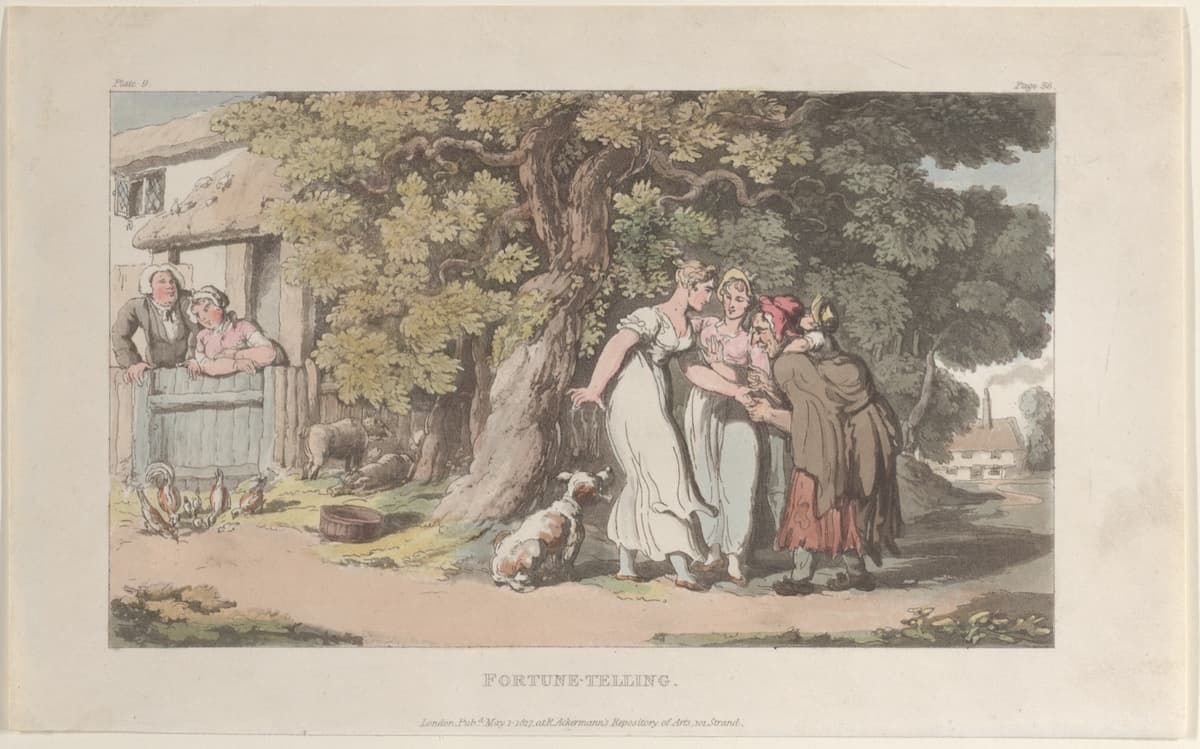
Dream interpretation became a common folk practice. Symbols like snakes, dragons, water, or deceased relatives were decoded based on oral traditions or dream books. Each dream was assigned a specific meaning, often predicting good or bad fortune.
Intriguing stories of prophetic dreams
Stories of dreams coming true have fueled the fascination with dream interpretation. For instance, in 1893, an American journalist named Samson dreamt of a volcanic eruption at Krakatoa. His written account was dismissed as fiction, costing him his job. Days later, the volcano erupted violently, causing a major disaster.
Similarly, in 1974, an American woman named Robins reportedly dreamt of a Turkish Airlines DC-10 crash. Her prediction was recorded and sent to aviation authorities, but the disaster still occurred as foreseen. While these stories remain scientifically unverified, they reinforce the belief that dreams can transcend time and space. Scientists still lack a definitive explanation for such coincidences.
The scientific perspective on dreams
Modern science approaches dreams as physiological and psychological brain phenomena. Systematic research began in the late 19th and early 20th centuries.
Psychoanalytic theories of Freud and Jung
Sigmund Freud viewed dreams as the "royal road to the unconscious." He proposed that dreams are wish-fulfillments, expressing repressed desires through symbols. When awake, we suppress these urges, but during sleep, they surface in symbolic forms.
Carl Jung, initially a follower of Freud, diverged in his views. He believed dreams reflect not only the personal unconscious but also a "collective unconscious" containing universal archetypes. For Jung, dreams aid personal growth and self-understanding.
Discovering REM sleep and dream functions
In the 1950s, the discovery of REM (Rapid Eye Movement) sleep marked a breakthrough. Most vivid dreams occur during this phase when brain activity is high. Current research suggests dreams result from random neural connections linking memories, thoughts, and emotions from our waking lives.
An evolutionary hypothesis posits that dreaming is an ancient biological defense mechanism, simulating potential threats to enhance our threat-perception and avoidance skills. Psychologist Tobie Nathan from Paris 8 University suggests dreams are the brain's way of answering questions and predicting possible outcomes based on gathered information, not supernatural prophecy.
Contrasting folk beliefs and science
| Perspective | Folk Belief | Scientific View |
|---|---|---|
| Nature | Omen, spiritual message | Physiological and psychological brain activity |
| Origin | From deities, ancestors, supernatural forces | From memories, emotions, subconscious |
| Meaning | Predicts future, signals luck | Reflects inner self, processes information |
| Approach | Symbol decoding, dream books, fortune tellers | Psychological analysis, brain research |
While science doesn't have all the answers about dreams, no evidence supports supernatural prophetic abilities. Apparent "prophetic dreams" can often be explained by probability, confirmation bias, and the power of imagination.
Dream interpretation as culture and psychology
Folk dream interpretation, despite lacking scientific basis, holds cultural and psychological value. It reflects ancient worldviews and provides comfort during anxious times. It also offers a way to confront personal concerns and aspirations through symbols.
However, a rational and objective perspective is essential today. Dreams should be viewed as a mirror of the soul, helping us understand ourselves, rather than a guide for making critical life decisions. Balancing respect for cultural traditions with scientific thinking leads to a more balanced and meaningful life.