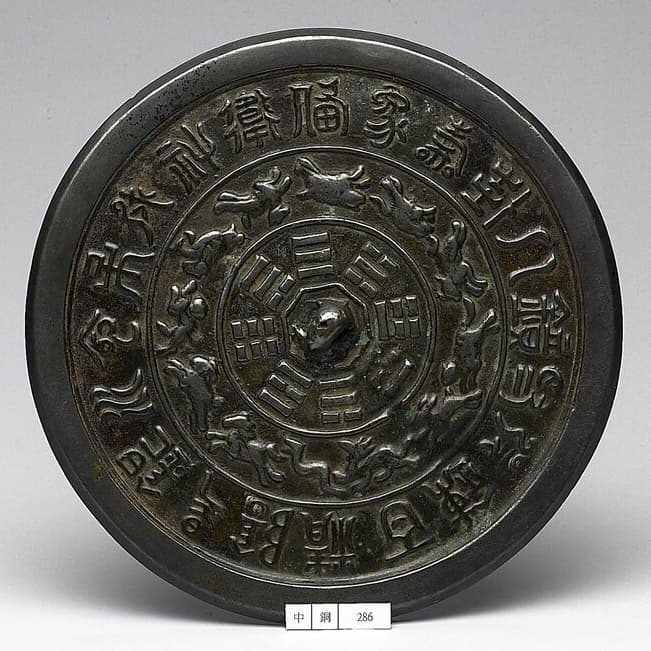
The Dui Trigram in Bagua: Symbolism and Meaning
In the Bagua system of the I Ching, the eight trigrams are fundamental symbols created from combinations of yin and yang lines. Each trigram is a "space of meaning" reflecting the laws of nature and society. While Qian is heaven and Kun is earth, Dui (☱) emerges as a symbol of gentleness, joy, and the power of communication.
Structure and Position
Dui is represented by a single broken yin line resting atop two solid yang lines. This structure holds a profound philosophical message: the two yang lines below symbolize a solid foundation, strong inner vitality, and integrity. The yin line above represents a soft exterior, openness, humility, and adaptability.
This combination creates an image of strength concealed beneath a gentle appearance, like a calm lake reflecting light but holding a powerful undercurrent. In the Later Heaven Bagua arrangement, Dui is positioned in the West, associated with autumn,a season of harvest and maturity. In the Five Elements system, Dui belongs to Metal, linked to sharpness, purity, and value.
Layers of Symbolic Meaning
Dui's symbolism extends across various domains:
- Natural Symbol: The lake, marsh, or pool,a gathering place for water that nurtures life.
- Family Symbol: The youngest daughter, evoking lovability, tenderness, and sensitivity.
- Body Symbol: The mouth and tongue. This is crucial: the yin line above is like soft lips, while the yang lines below are like teeth and a strong tongue, linking Dui to speech, eating, and singing.
- Character Symbol: Joy, optimism, openness, and approachability. People with strong Dui energy are charismatic communicators.
- Professional Symbol: Speakers, singers, diplomats, salespeople, and teachers,roles requiring communication.
Deeper Meaning in Life and Philosophy
Dui's power lies in communication and joy. It reminds us that rigidity cannot build strong relationships; rather, softness, listening, and empathy are key. However, like all I Ching symbols, Dui is dual-natured. Its appeal can become a double-edged sword: excessive softness may lead to indecisiveness and temptation, and eloquence can turn into deception. Dui warns of the danger of sweet words lacking sincerity.
The image of a lake also suggests that joy requires moderation. Without it, one risks becoming superficial. Dui teaches the balance between a happy, open attitude and steadfast inner principles,being joyful without indulgence, gentle without weakness, and always listening to understand.