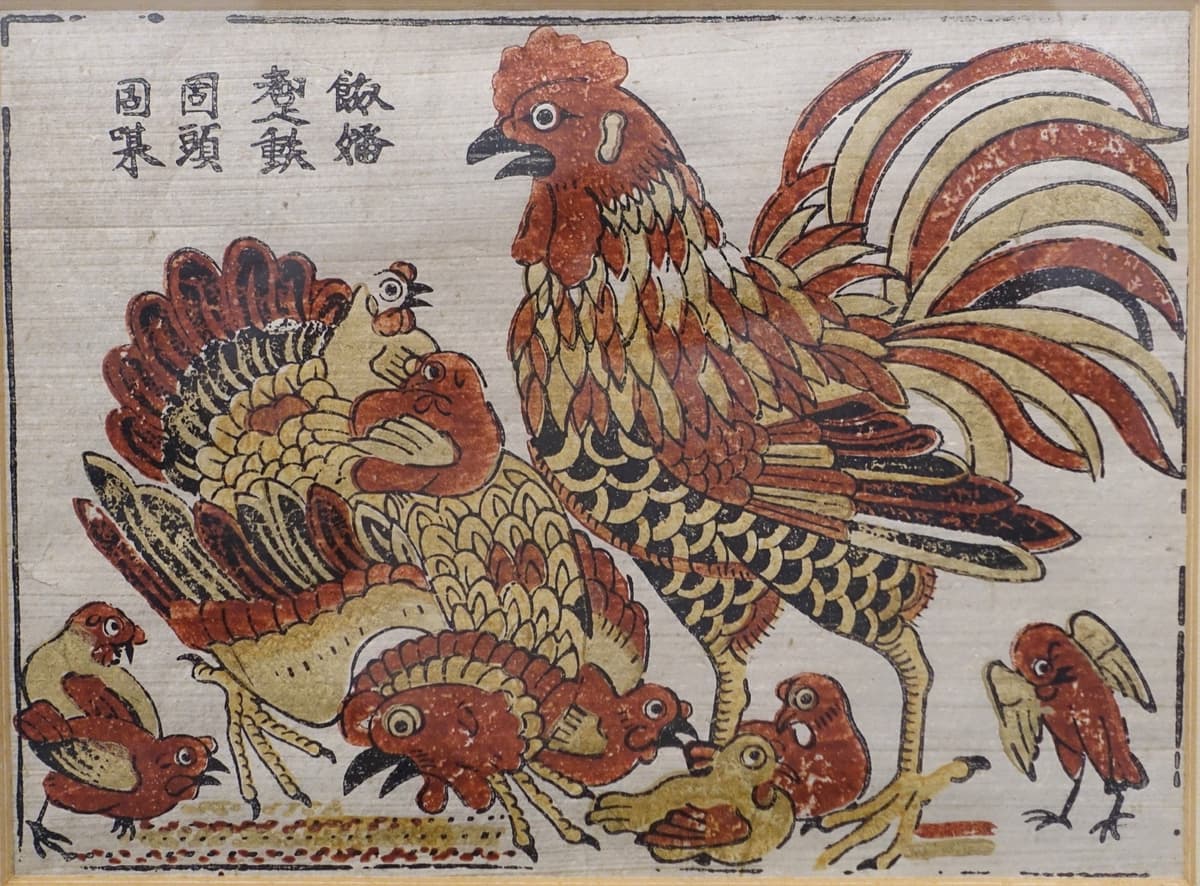
Giao Thua Ceremony: Meaning and Differences Between Indoor and Outdoor Worship
Giao Thua is the sacred moment of transition between the old and new year. According to folk belief, this is when the old ruling deities hand over their duties to the new ones. The ceremony is meant to bid farewell to the old and welcome the new, praying for a peaceful and lucky year.
The outdoor ceremony originates from the belief that the handover is extremely hurried, with deities traveling back and forth in the sky. They cannot enter homes for a meal but can only pause briefly to receive offerings. Therefore, the outdoor offering tray is placed in the yard or in front of the house. Afterward, families conduct an indoor ceremony to worship the Earth God (Tho Cong) and ancestors.
These customs may vary slightly by region and family. This guide provides a common reference, not the only correct way.
Step 1: Preparing Offerings
Traditionally, two trays are prepared: one for outdoors and one for indoors. However, many families prepare one main tray, use it outdoors first, then bring it inside.
Outdoor offerings:
- A savory tray: whole boiled rooster (or pork head, red sticky rice), banh chung or banh tet.
- A plate of fresh fruits (five fruits).
- A plate of betel leaves and areca nuts (3 leaves, 3 nuts).
- A bottle of white wine and 3 small cups.
- An incense bowl and 3 incense sticks (or more).
- 2 candles or 2 oil lamps.
- A plate of salt and uncooked rice.
- Votive papers (hats, clothes, money) for the deities.
- A teapot and 3 small tea cups.
- A plate of candies and jams.
Indoor offerings:
- A savory tray (can reuse the outdoor tray or prepare a new one).
- A plate of fresh fruits.
- A plate of betel leaves and areca nuts.
- Incense bowl, incense, candles.
- Wine and tea.
- Votive papers.
- Banh chung, candies.
Step 2: Arranging the Offering Tray
The outdoor tray is placed on a table or altar in the middle of the yard or in front of the house. The incense bowl is placed in the center, flanked by two candles. The savory tray is placed in front. Fruits, betel, and votive papers are on the sides. Cups of wine, tea, salt, and rice are at the front.
The indoor tray is arranged on the ancestor altar or a separate table in front of it, following a similar layout.
Step 3: Performing the Outdoor Ceremony
The ceremony takes place during the Ty hour (11 PM to 1 AM), typically at exactly midnight.
How to perform:
- About 15-20 minutes before midnight, light the candles and incense on the outdoor altar.
- Stand before the tray, clasp hands respectfully, and recite the outdoor prayer. The prayer typically announces the ceremony to heaven and earth, bids farewell to the old deities, welcomes the new ones, and asks for blessings.
- After the prayer, bow three times.
- Wait for the incense to burn down about one-third, then burn the votive papers.
Step 4: Performing the Indoor Ceremony
After finishing the outdoor ceremony, bring the tray inside (or use a separate one) and conduct the indoor ritual.
How to perform:
- Place the tray on the ancestor altar or prepared table.
- Light candles and incense.
- Stand before the altar, clasp hands, and recite the indoor prayer, asking ancestors and the Earth God for protection.
- Bow three times after the prayer.
- Wait for the incense to burn, then burn votive papers.
Step 5: Important Notes and Safety
- Prepare offerings and clean the house and altar beforehand.
- Wear respectful, neat clothing.
- Pray sincerely with a clear mind.
- Fire safety: Be extremely careful with incense, candles, and burning votive papers. Place them away from flammable materials. Burn votive papers in a metal container in an open area. Never leave the fire unattended and ensure it is completely out before leaving.
- Do not overly focus on elaborate offerings; sincerity is most important.
- After the ceremony, families may follow local customs like picking leaves for luck or visiting temples.
Performing the Giao Thua ceremony is a beautiful cultural tradition expressing reverence for ancestors and heaven, with hopes for a prosperous new year. Approach it with solemnity and sincerity.


