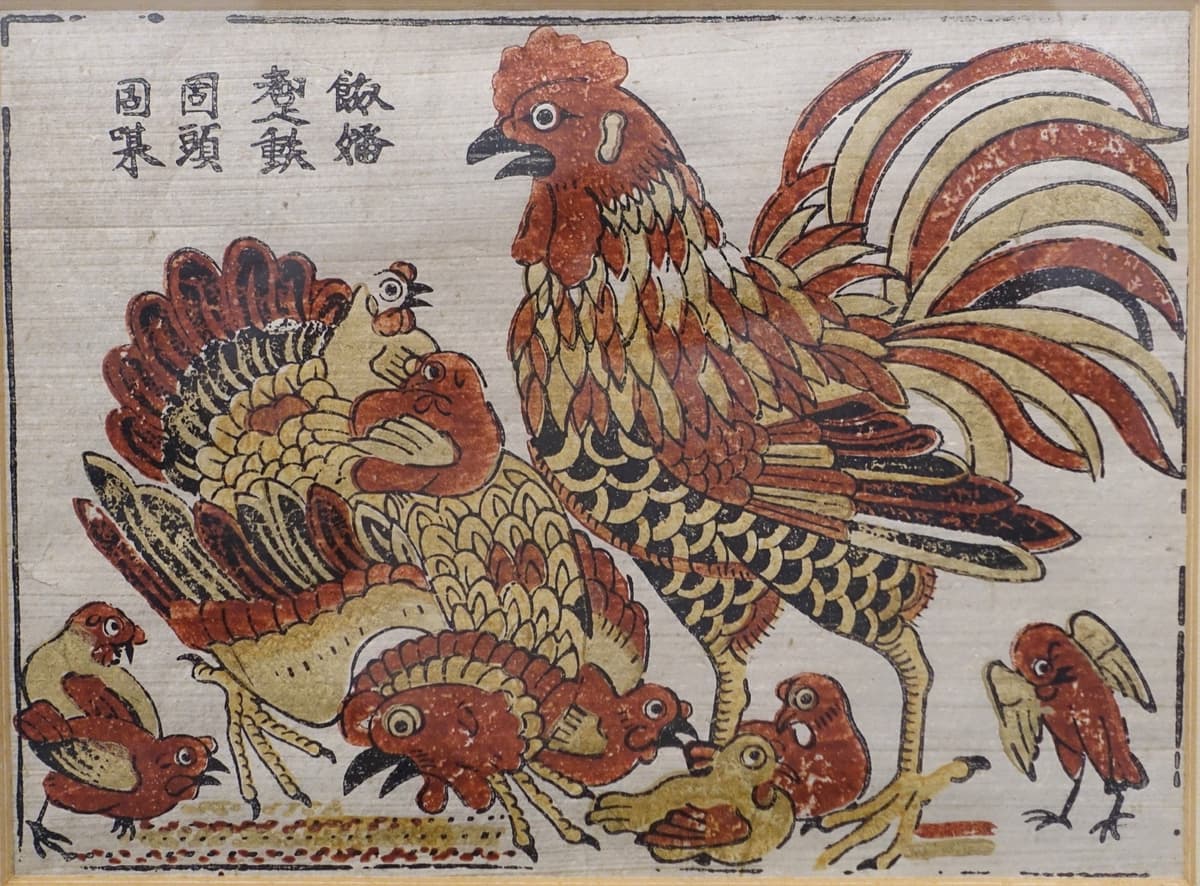
New Year's Eve Offering Ceremony: 'Tống Cựu Nghênh Tân'
The New Year's Eve offering ceremony (lễ Trừ tịch) is one of the most important rituals during Tet. According to folk beliefs and the book 'Ngọc Hạp ký', each year a new deity (Hành Khiển) is sent to oversee the mortal world. At the exact transition moment, families perform a ceremony to see off the old deity and welcome the new one. This is a common custom; details vary by region and family, so there is no single 'correct' way.
When to Perform
According to VnExpress, the ceremony can take place from 11 PM on the last day of the year (30th or 29th of the lunar month) until 1 AM of the first day. The ideal time is exactly at the Tý hour (11 PM – 1 AM). Outdoor worship should be done first to welcome the new deity, followed by indoor ancestral worship.
Preparing Offerings
Offerings can be those already prepared for Tet or a separate tray. Common items include:
- Boiled chicken (often a rooster with a rose in its beak – common in the North).
- Bánh chưng (square sticky rice cake) in the North, or bánh tét (cylindrical) in Central and Southern regions.
- Red sticky rice (xôi gấc) and pork sausage (giò) in the North; beef sausage in Central Vietnam.
- Regional dishes: braised pork with eggs, bitter melon soup (South); bamboo shoot and vermicelli soup (North); pickled vegetables, sweet chè kho (Central).
- Five-fruit tray (mâm ngũ quả) – varies by region.
- Fresh flowers, betel leaves and areca nuts, wine or tea, rice and salt.
- Incense, candles/oil lamps, votive paper (vàng mã).
- Candies and jams.
The outdoor tray is similar to the indoor one.
Arranging the Offering Tray
Outdoor Tray
- Place the tray on a clean table or mat in the middle of the yard or in front of the main door.
- Arrange neatly: whole boiled chicken, bánh chưng/bánh tét, sticky rice, sausage; fruits, candies, betel around.
- Put a flower vase on the right, incense bowl (if any) in the center, candles on both sides.
- Pour a small cup of wine or tea, place rice and salt.
- Votive paper kept aside for burning after the ceremony.
Indoor Tray
- Place on the ancestral altar or a separate table in front, clean and tidy.
- Usually simpler: fruits, bánh chưng, giò, sticky rice, boiled chicken, betel, wine, votive paper.
- Light candles on both sides, incense bowl in the center, flowers on two sides.
Step-by-Step Procedure
Step 1: Preparation
- Clean the house and altar.
- Prepare all offerings and arrange trays (outdoor and indoor).
- Dress neatly and maintain a respectful attitude.
Step 2: Outdoor Ceremony
- At the Tý hour, the head of the family goes outside, lights candles and incense.
- Fold hands respectfully toward the tray and recite the outdoor prayer (content: see off old deity, welcome new deity, pray for peace and prosperity).
- When incense burns about 2/3, bow three times, wait for it to finish, then burn votive paper.
Step 3: Indoor Ceremony
- After the outdoor ceremony, enter the house and light incense on the ancestral altar.
- Recite the indoor prayer: invite ancestors to join Tet, pray for blessings.
- Bow three times, wait for incense to finish, then burn votive paper.
Step 4: Completion
- After incense burns out, clean up, burn votive paper in a safe place (outdoor incense burner or dedicated stove).
- The indoor tray can be taken down for the family to enjoy.
Prayer Content (Summary)
Prayers usually include:
- Opening: 'Nam mô A Di Đà Phật' (3 times), homage to Buddhas, deities.
- Invocation: Name the deities of the old and new year (e.g., for 2026: Tần Vương Hành Khiển, etc.).
- Declaration: State the host's name, address, purpose.
- Supplication: Ask the new deity to grant prosperity, peace; invite ancestors.
- Closing: 'We offer with humble heart, please witness' – bow three times.
You can find full prayer texts in traditional prayer books or reputable sources. If you don't memorize, reading from a printed version is fine; sincerity matters most.
Safety and Spiritual Notes
- Fire safety: Always supervise incense, candles, oil lamps, and votive paper burning. Place away from flammable materials; extinguish completely after. Never burn votive paper indoors or near curtains.
- Attitude: Dress neatly, be respectful; sincerity is key.
- Regional differences: Offerings vary – Northerners prefer boiled chicken and bánh chưng; Central use bánh tét and pickles; Southern have braised pork and bitter melon soup. Adjust according to local customs.
- Short year: If the last month has only 29 days, still perform at the Tý hour, not earlier.
This ceremony is not only a religious act but also a time for family reunion and expressing hopes for a peaceful and prosperous new year.