Facial Moles in Chinese Physiognomy: An Overview
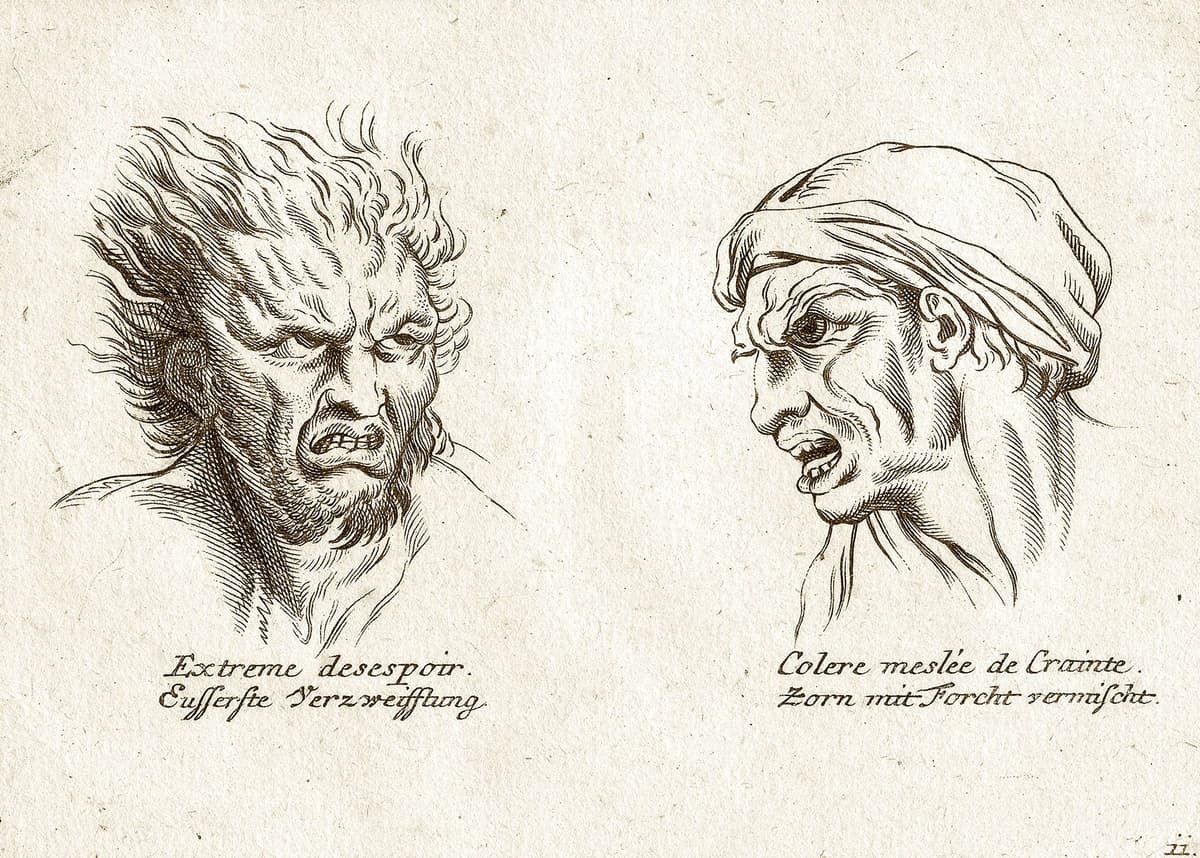
Chinese physiognomy (Mian Xiang) is an ancient divination practice that reads facial features to infer personality, health, and destiny. Moles (痣) are considered significant markers, often likened to "stars on the face," each carrying a unique message.
The face is divided into three sections: the upper (forehead to eyebrows) representing youth (0-30), the middle (eyebrows to nose tip) for adulthood (31-50), and the lower (nose tip to chin) for later years (50+). A mole's location in these regions is believed to influence that period of life.
Types of Moles
- Favorable moles: Bright black or red, well-defined, smooth, and elevated or flat. They signify talent, luck, or helpful people.
- Unfavorable moles: Pale, dull, rough, irregular, clustered, or with long hair. They indicate obstacles or health issues.
Left-right placement also matters: in traditional belief, moles on the left are more significant for men, and on the right for women.
Meanings by Facial Region
Forehead and Eyebrows
- Center of forehead: A bright black mole here suggests intelligence and foresight, good for career. If off-center, it may cause financial loss or relationship conflicts.
- Near hairline: Indicates filial piety but possible inheritance difficulties.
- On eyebrows: A mole at the tail of the eyebrow is a "literary star," symbolizing wisdom and academic success. A mole in the middle of the brow may indicate a hot temper.
Eyes, Nose, Cheeks
- Eye tail: Associated with love life; may bring romantic ups and downs, but if well-placed, could indicate loyalty.
- Under eyes: Relates to children; a bright mole may be good for offspring, while a faint one might suggest difficulties.
- Nose bridge: A mole here, especially at the top, is considered unlucky, causing family discord. At the nose tip (wealth palace), it may lead to financial loss.
- Nose wings: Moles on the sides of the nose are favorable for wealth and money management.
- Cheekbones: Moles here (official career palace) indicate authority and reputation; a bright mole helps career advancement, while a faint one may attract rivals.
Mouth, Chin, Ears
- Mouth corners: A mole near the mouth corner suggests eloquence and social skills, but too close to the lip may cause gossip.
- Lips: Upper lip mole indicates passion for food and rich emotions; lower lip mole suggests loyalty. However, some traditions view lip moles as signs of romantic challenges.
- Chin: A mole at the center of the chin is highly auspicious, symbolizing good fortune, longevity, and a strong later life.
- Ears: Moles on the ear rim or lobe indicate inherited wealth or helpful patrons. A mole inside the ear suggests curiosity and learning.
Scientific Perspective and Modern View
It is crucial to note that physiognomy, including mole reading, is traditional knowledge without scientific validation. Historical attempts to link appearance with criminal behavior, such as Lombroso's theory, have been rejected. Modern AI facial recognition also raises ethical concerns about bias.
Nevertheless, culturally, mole reading remains valuable as a tool for self-reflection, echoing the belief "the mind shapes the face." As the old saying goes: "If you have a good heart, even a bad appearance will turn good; if you have a bad heart, a good appearance will decay."
Conclusion
Reading facial moles is a fascinating aspect of Eastern physiognomy, offering insights into ancient observational wisdom. While not scientifically grounded, it can serve as a cultural lens for personal growth. Ultimately, how we live and treat others matters more than any mole's placement.