Introduction
Physiognomy (Mian Xiang) is an ancient Eastern divination practice that observes facial features to infer personality, destiny, and health. According to sources, it originated in ancient China, linked to Taoism, and has been used for centuries in matchmaking and official selection.
In this system, the face is divided into three parts: the upper (forehead to eyebrows) represents youth, the middle (eyebrows to nose tip) represents adulthood, and the lower (nose to chin) represents old age. The nose, located at the center of the middle part, is considered the 'mountain' of the face, symbolizing wealth, willpower, and social status.
General Meaning of the Nose
Nose – Symbol of Wealth and Will
In physiognomy, the nose is where wealth energy gathers. A full, harmonious nose is said to bring financial luck and stability. Conversely, a crooked or sunken nose may indicate career or financial obstacles.
The nose also reflects willpower. A high, straight bridge suggests determination and assertiveness, while a low or broken bridge may indicate insecurity or susceptibility to pressure.
Coordination with Other Features
The nose is not read in isolation. A beautiful nose paired with slanted eyes or thin lips may still be judged negatively. Thus, the nose's meaning is only realized when the overall face is balanced.
Detailed Analysis of Nose Parts
1. Nose Bridge
The bridge from the root to the tip reflects career and will.
- High, straight bridge: A noble sign, often of ambitious people with successful careers and leadership roles.
- Low bridge: May indicate low ambition, contentment, but also gentleness.
- Broken or notched bridge: Suggests career ups and downs, or communication difficulties.
2. Nose Tip
The tip relates to wealth accumulation and generosity.
- Round, full tip: A rich sign, indicating financial management skills and trustworthiness.
- Pointed, bony tip: May suggest stinginess or meticulous calculation, sometimes intelligence but causing friction.
- Hooked tip: Often considered a sign of cunning or criticism; in reality, such people may be sharp critics.
3. Nostrils
Nostrils indicate spending habits.
- Small, closed nostrils: Frugal, good at saving.
- Wide, flared nostrils: Generous, but may overspend; also open-minded.
4. Nose Wings
The sides of the nose relate to stability and social relations.
- Thick, wide wings: Kind-hearted, well-liked, good at building relationships.
- Thin, narrow wings: Introverted, less sociable, or lacking support.
Nose and Five Elements
Physiognomy sometimes associates nose shapes with the Five Elements (Metal, Wood, Water, Fire, Earth).
- Earth nose: Large, full, high bridge – stable, reliable, managerial.
- Metal nose: Straight bridge, round tip – sharp thinking, tactful.
- Fire nose: Pointed tip, reddish – hot-tempered, decisive but impulsive.
- Wood nose: High, straight, not too large – idealistic, studious but rigid.
- Water nose: Round, soft – flexible, adaptable but may lack persistence.
However, assigning an element is not fixed and varies by tradition.
Scientific Perspective and Cautions
Historical Context
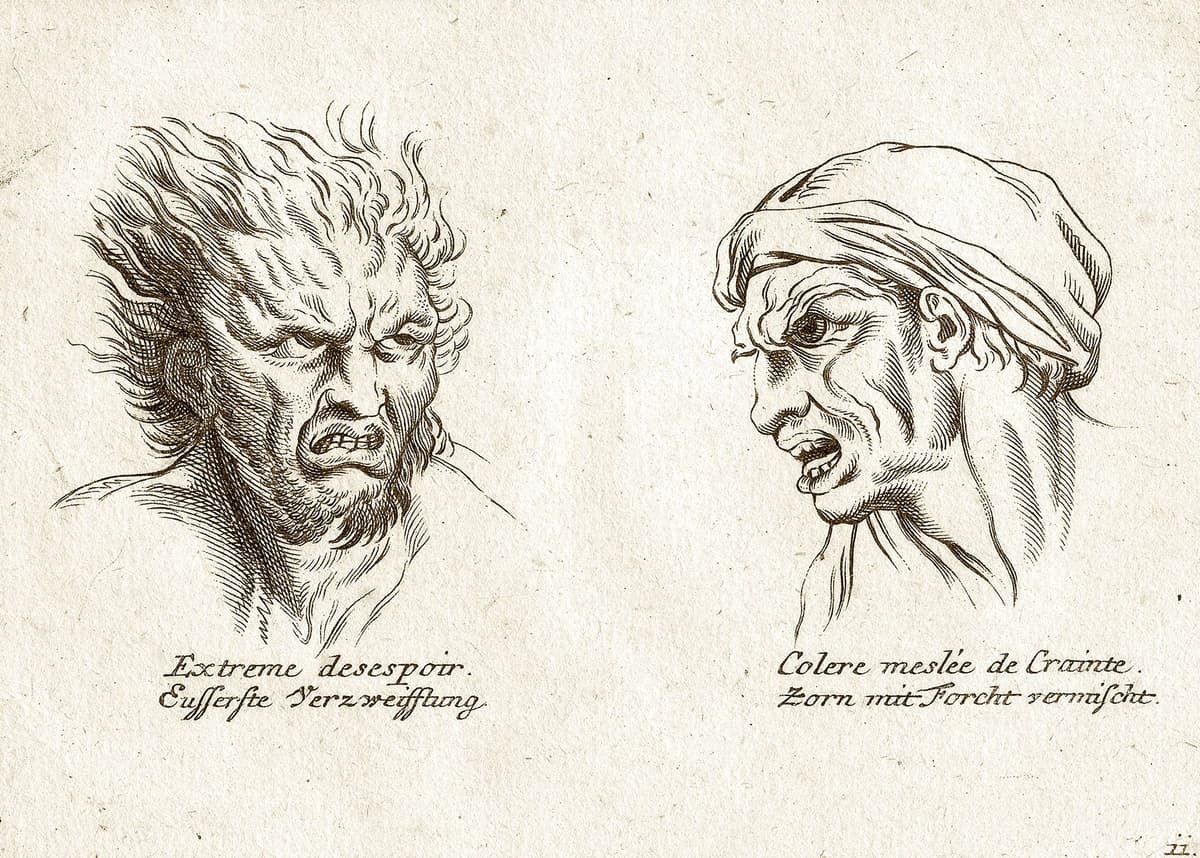
Physiognomy was once applied even to criminology. In the late 19th century, Cesare Lombroso proposed the 'born criminal' theory, linking features like high cheekbones or hooked noses to criminality. Later research rejected this as unscientific and biased.
Today, physiognomy is considered a reference, not a precise prediction tool. Modern science confirms no causal link between facial shape and personality or fate.
Cautions
- Not absolute: Nose shape is just one factor. A person with a 'bad' nose can still succeed through effort.
- Mind shapes the face: The saying 'If the mind is good, the face will be beautiful' emphasizes that character can alter appearance over time.
- Health: In Traditional Chinese Medicine, the nose relates to lungs. Redness or dryness may signal health issues, warranting medical consultation.
Conclusion
The nose is a fascinating aspect of Eastern physiognomy, offering insight into how people link appearance to inner self. Though lacking scientific proof, it remains a popular reference. The key is to view it objectively, not letting predictions dominate life, as destiny lies in one's own actions and thoughts.