Cheekbones in Eastern Physiognomy
In the vast body of Asian physiognomy, cheekbones (quyền cốt) rank among the most important facial features, alongside the eyes, nose, and mouth. Traditional practitioners believe cheekbones reflect power, willpower, ambition, and how one faces adversity. By observing the shape, height, fullness, or hollowness of the cheekbones, readers attempt to interpret a person's character and fate.
Types of cheekbones
- High, full cheekbones: considered auspicious, indicating leadership and authority. Such individuals are thought to be strong-willed, decisive, and influential.
- Low, flat cheekbones: viewed as weak, suggesting a lack of confidence or difficulty in taking leadership roles.
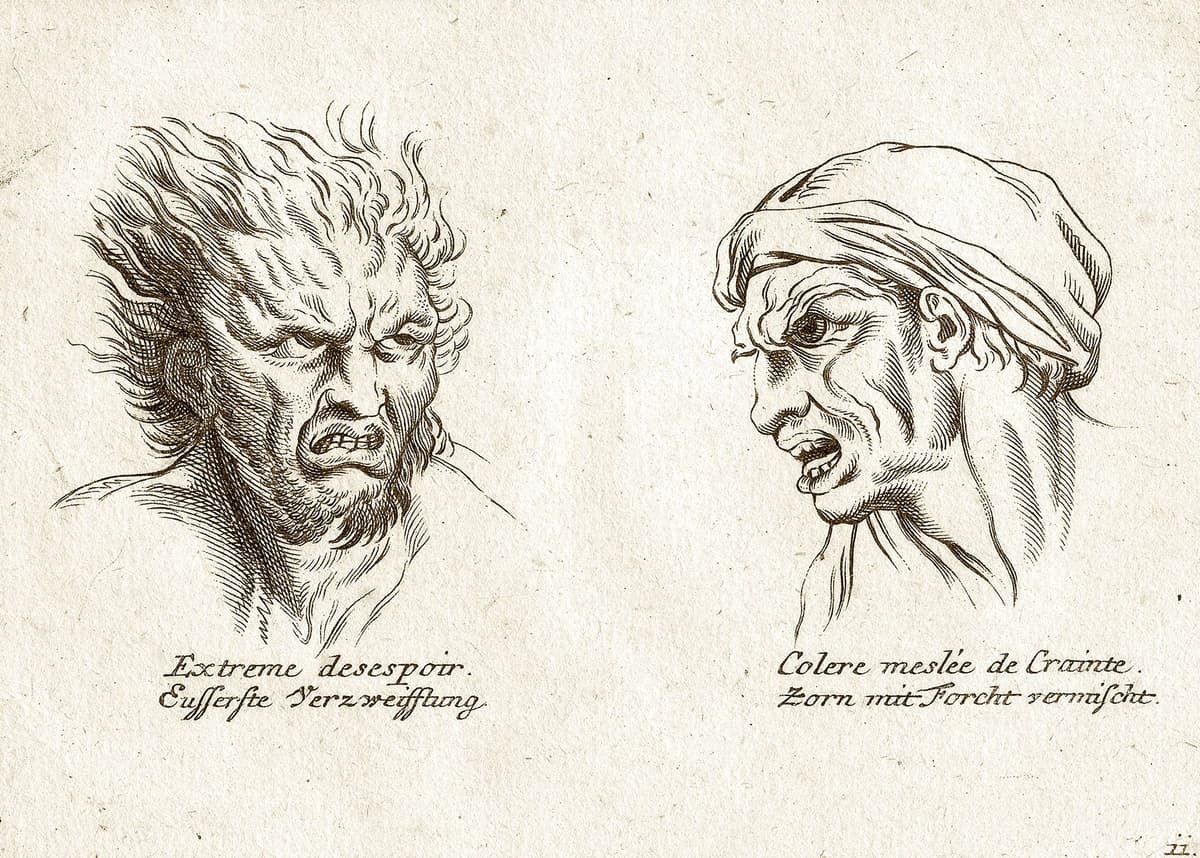
- Bony or sharp cheekbones: although possibly intelligent, often judged as hot-tempered, aggressive, or prone to conflict. Some historical texts even linked them to criminal tendencies (as in Lombroso's 'born criminal' theory).
- Rounded, harmonious cheekbones: seen as balanced, indicating a stable life and the ability to reconcile work and family.
Relation to other facial features
Physiognomy never examines cheekbones in isolation. For example:
- High cheekbones with small, narrow eyes may suggest cunning or reserved emotions.
- Full cheekbones with a high, straight nose are considered a sign of good official career.
- Prominent cheekbones with a sloping forehead and receding chin may imply impatience and impulsiveness.
Cheekbones and the lens of criminal psychology
In the 19th century, Cesare Lombroso included 'high cheekbones' among 14 features of the 'born criminal.' However, modern science has rejected this view as biased and unscientific. Recent AI-based attempts to predict criminality from facial images (e.g., Shanghai Jiao Tong University, 2016) were also criticized by Stanford and Google researchers for being flawed and unethical.
A modern perspective
Despite its long history and continued popularity, no scientific evidence supports a causal link between cheekbone shape and personality or destiny. Cheekbone prominence is largely determined by genetics and skull structure.
Therefore, treat cheekbone reading as a cultural lens for self-reflection, not an absolute truth. As the old saying goes: 'If the mind is good, the appearance will follow; if the appearance is good but the mind is not, the appearance will fade.'