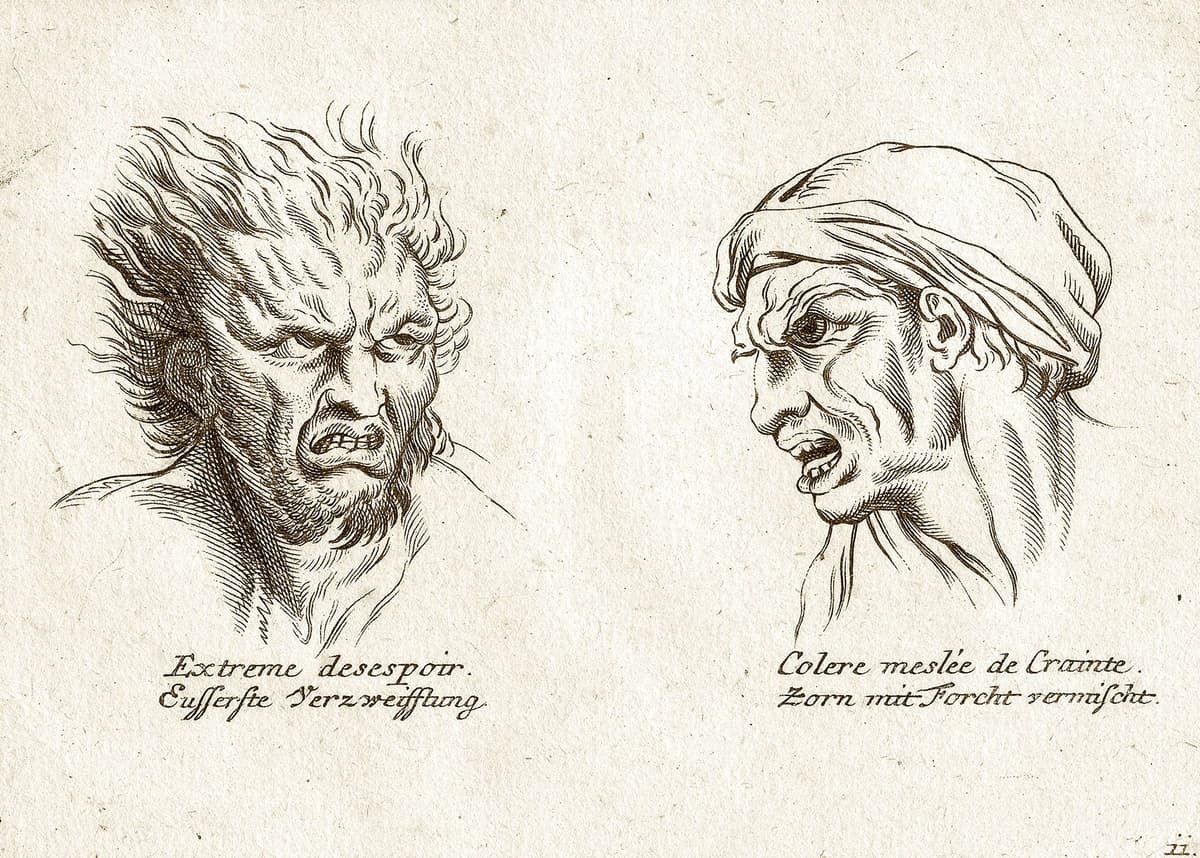
Overview of Mouth Physiognomy
In Eastern face reading (Mian Xiang), the mouth is one of the 'five senses' and represents communication, speech, and social interaction. Ancient wisdom says 'the mind creates the face', and the mouth reveals one's honesty and kindness through daily words.
Key Features of Mouth Reading
1. Mouth Size
- Wide mouth: Generous, charismatic, good leaders, successful in communication and business.
- Small mouth: Cautious, meticulous, introverted, but sincere and observant.
2. Lip Shape
- Thick lips: Emotional, kind, empathetic, value relationships.
- Thin lips: Quick-witted, eloquent, but may be argumentative or hurtful if combined with downturned corners.
- Thin upper lip, thick lower lip: Strong personality, likes pampering, decisive in work.
3. Mouth Corners
- Upturned corners: Optimistic, cheerful, successful in social relationships.
- Downturned corners: Pessimistic, critical, may face hardships.
4. Teeth and Gums
- Even, white teeth: Good health, longevity, charming in communication.
- Large front teeth: Historically linked to criminal tendencies by Lombroso, but this is now rejected by modern science.
- Protruding teeth: Hot-tempered; receding teeth: cautious and reserved.
Scientific Perspective
Physiognomy lacks solid scientific basis. Studies by Lombroso, Hooton, and Sheldon were biased. A 2016 AI study by Shanghai Jiao Tong University was debunked by Stanford and Google. Therefore, treat mouth reading as cultural insight, not absolute truth.
Practical Applications
- For wide mouth, thick lips, upturned corners: use communication strength in business, diplomacy, arts.
- For small mouth, thin lips: practice public speaking and control words.
- Lip color can indicate health: dark lips may signal poor circulation; pale lips may suggest anemia – consult a doctor.
Conclusion
Mouth physiognomy is an interesting cultural lens, but remember 'appearance changes with the mind' – character and actions determine destiny. Live sincerely and speak kindly – that is the best way to improve your appearance.