Introduction to the Three-Card Spread
The Three-Card Spread is one of the most fundamental and versatile layouts in Tarot. It offers a concise view of the flow of time and energy around a specific issue, making it ideal for questions like "Why is my relationship struggling?", "Where is my career heading?", or "What do I need to know about my finances?"
This spread is perfect for beginners because it involves only three cards, reducing the complexity of linking multiple cards. However, its simplicity demands that the reader truly listens to their intuition and understands the context.
Preparation
Choosing a Deck and Space
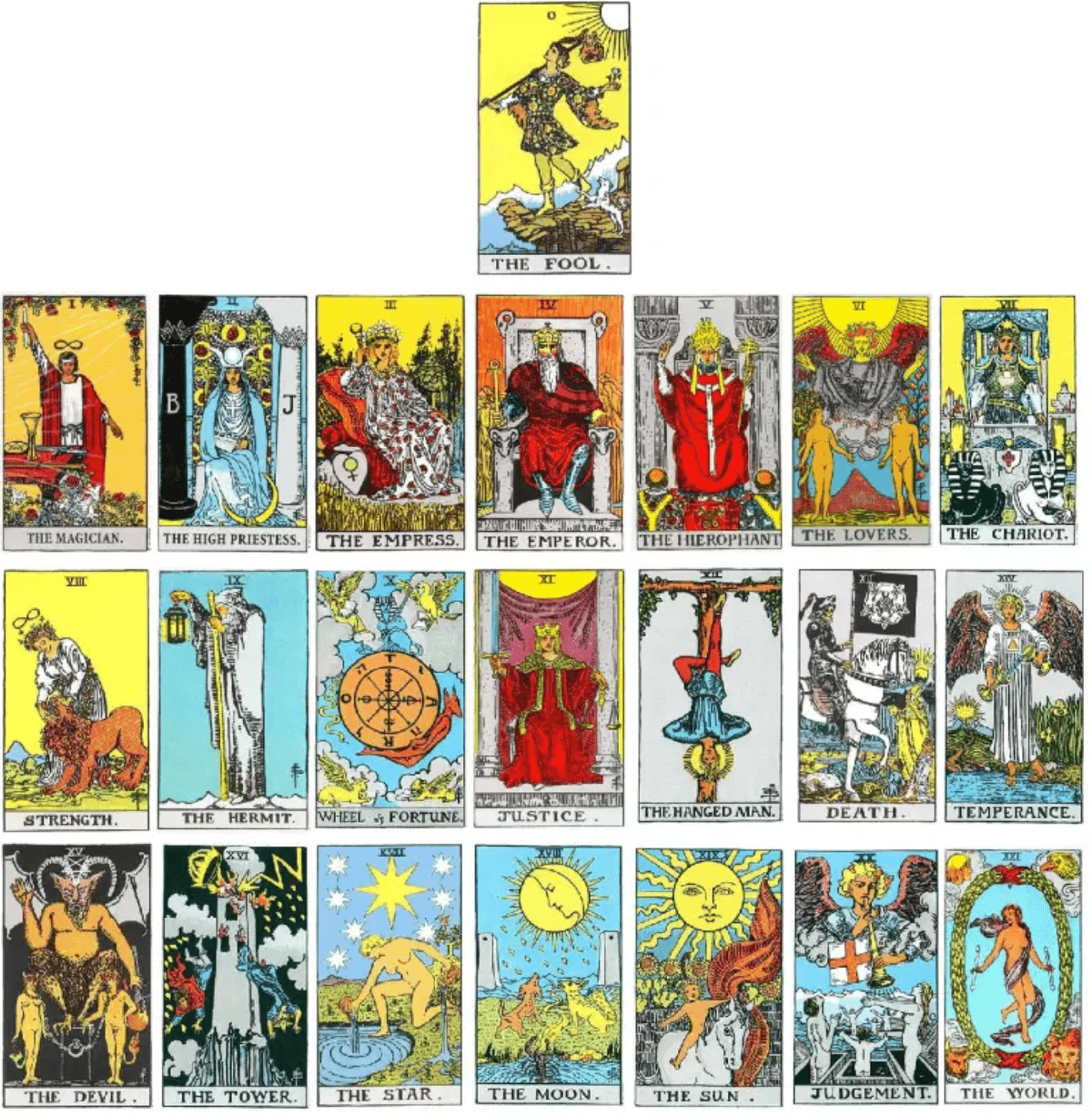
You can use any Tarot deck, but the Rider-Waite-Smith (RWS) is the most popular for its detailed, symbolic imagery that is easy to interpret. According to Tuoi Tre Online, the Rider-Waite deck, first released in 1909, became the most popular deck of the 20th century due to its accessible imagery.
Choose a quiet, comfortable space where you can focus. Some people like to light candles or incense, but it's not necessary. The key is a calm mind.
Formulating a Clear Question
Before shuffling, define a specific question. The Three-Card Spread works best with questions like "What led to...", "What is currently happening...", "What might happen next?". Avoid vague questions such as "What is my future?" as they are hard to interpret. Instead, ask: "What past events caused my current burnout, and what should I prepare for upcoming changes?"
How to Perform the Spread
Step 1: Shuffle the Cards
Shuffle the deck in a way that feels natural. While shuffling, keep your question in mind, focusing your energy on the cards. You can shuffle until you feel it's enough or stop randomly.
Step 2: Draw Three Cards
After shuffling, draw three cards from any position in the deck, placing them face down from left to right (or top to bottom). The first card represents the Past, the second the Present, and the third the Future.
There are variations: some draw each card one by one and place it immediately, others draw all three then flip them. Either method works as long as you stay focused.
Step 3: Flip and Interpret
Flip each card in order, starting with the Past card. Observe the imagery, symbols, colors, and your initial impressions before looking up traditional meanings. Combine intuition with knowledge for a complete reading.
Detailed Meaning of Each Position
Position 1: Past
This card represents the foundation or root of the issue. It could be an event, a relationship, a decision, or a lesson that has shaped your current circumstances. This is not the distant past but elements that still influence the present.
For example, if the Past card is The Tower, it suggests a sudden upheaval or breakdown that has left lasting effects. If it's The Sun, you may have had a bright, successful period that built confidence but also potential overconfidence.
Position 2: Present
This card reflects the energy currently surrounding you, the present situation, thoughts, feelings, and actions. It shows where you stand in your journey.
The Present card is often the most important as it connects the past and future. If it's The Chariot, you are in a state of determination and control, but may also face tension from opposing forces. If it's Five of Cups, you might be dwelling on loss, ignoring remaining opportunities.
Position 3: Future
This card indicates the likely direction of the issue if current energies continue. It is not a fixed fate but a possibility based on present choices. If you dislike this card, you can change your path.
For instance, Ten of Cups often signals an emotionally fulfilling outcome, while Ten of Swords may suggest a painful ending, but also relief from burdens and a new beginning.
Interpreting the Whole Spread
After understanding each card, look at the big picture. The three cards may tell a continuous story. Ask yourself:
- Elemental or Suit Connections: Do the cards share a suit or element? If all are Swords, the issue is about thoughts, intellect, or communication.
- Progression: If the past is positive and the present is negative, what happened? Conversely, how has the situation transformed from a difficult past to a better present?
- Overall Lesson: What is the main message? Sometimes the Future card is not a final destination but advice to adjust current behavior.
Example: You ask about career. The Past is Eight of Pentacles, showing hard work on skills. The Present is Two of Swords, reflecting indecision. The Future is The Magician, suggesting that if you overcome hesitation and use your abilities, you will achieve success and assert your position.
Important Notes
- Avoid fatalistic questions: Do not ask "When will I die?" or "Should I divorce?" as Tarot is not an absolute predictor. It helps you see the situation, but the final decision is yours.
- Don't over-read the same question: Repeated readings can lead to confusion and dependency. Trust the first reading.
- Combine with critical thinking: According to experts, Tarot can be a form of spiritual counseling, but it should not replace professional psychological advice or major life decisions.
Conclusion
The Three-Card Spread (Past - Present - Future) is an excellent tool to start your Tarot journey. It not only provides temporal information but also helps you recognize patterns, lessons, and potential growth. Practice regularly, combine knowledge with intuition, and always remember that Tarot is a mirror of the inner self, not an unchangeable prophecy.


