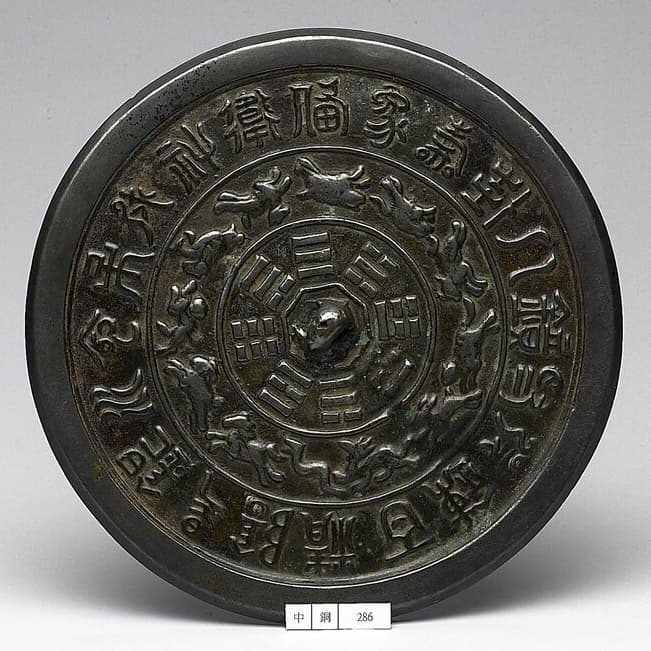
Introduction to Hexagram 27 (Shan Lei Yi)
Hexagram 27, Shan Lei Yi (山雷頤), is the 27th hexagram of the I Ching. It is composed of the trigram Zhen (Thunder) below and Gen (Mountain) above. The image is thunder stirring beneath a mountain, symbolizing movement and awakening within stillness and stability.
The name "Yi" (頤) means the jaw or cheek, linking it to eating and nourishment. However, its meaning extends far beyond physical sustenance to include the nurturing of spirit, virtue, wisdom, and the way we nourish others.
Structure and Symbolic Meaning
The Judgment states: "Yi, perseverance brings good fortune. Observe the nourishment, seek your own food from your mouth." This emphasizes self-reliance in nurturing oneself. Each person must seek their own material and spiritual sustenance in a righteous way, not depending on others.
The six lines describe different stages of nourishment:
- Line 1: Warns against abandoning one's own spiritual resources (like a sacred tortoise) to envy others' material abundance.
- Line 2: Nourishment that is upside down or seeks from the wrong source brings danger.
- Line 3: Wrong methods of nourishment are harmful in the long run.
- Line 4: Seeking nourishment from below (from those you lead) can be auspicious if done with clear, intense purpose.
- Line 5: A leader who cannot nourish themselves must rely on virtuous subordinates; perseverance is good, but avoid great undertakings.
- Line 6: Nourishing all people, even from a position of peril, is auspicious and beneficial for great deeds.
Applications in Daily Life
Nourishing Speech and Action
The Image says: "The superior person is cautious in words and temperate in eating and drinking." Speech is a primary source of both connection and disaster. Being cautious means speaking at the right time, in the right place, and with truth. Similarly, moderation in eating and drinking maintains physical health and avoids excessive materialism.
Nourishing the Mind and Spirit
Beyond food, Yi guides us to cultivate the soul. Reading, learning, and reflection nourish wisdom. Practicing virtues like benevolence, righteousness, and propriety nourishes morality. The hexagram stresses conscious, continuous self-cultivation.
Nourishing Others and Social Responsibility
Yi also addresses nurturing others. Parents raise children not only physically but also morally. Leaders have a responsibility to nurture and create conditions for their people's growth, leading to a harmonious society.
The Lesson of Self-Reliance
A core message is self-reliance. The image of the sacred tortoise symbolizes self-containment. The lesson is to develop one's inner strengths and create value independently, without depending on external charity. Financial, intellectual, and spiritual autonomy forms the foundation of a stable life.
Conclusion
Hexagram 27 is a profound philosophical guide, not just a prediction. It teaches principles for self-perfection, from cautious speech and temperate behavior to cultivating wisdom and living responsibly within the community.
Quick-Reference Table: Hexagram Nourishment
| Aspect | Content |
|---|---|
| King Wen number | 27 |
| Chinese name | 頤 |
| Symbol | ䷚ |
| Vietnamese name | Sơn Lôi Di |
| Upper trigram | Gen (Mountain), Earth element, Northeast |
| Lower trigram | Zhen (Thunder), Wood element, East |
| Six lines, first line at the bottom | 1st yang, 2nd yin, 3rd yin, 4th yin, 5th yin, 6th yang |
| Image | Thunder below the mountain: the shape suggests open jaws. |
| Reading | An image of nourishment, covering food as well as speech and thought. The classics ask what one is actually feeding oneself with. Nourished well, both body and purpose hold steady. |
*Số liệu trong bảng khớp với kết quả các công cụ tra cứu trên Nhật Nguyệt.*