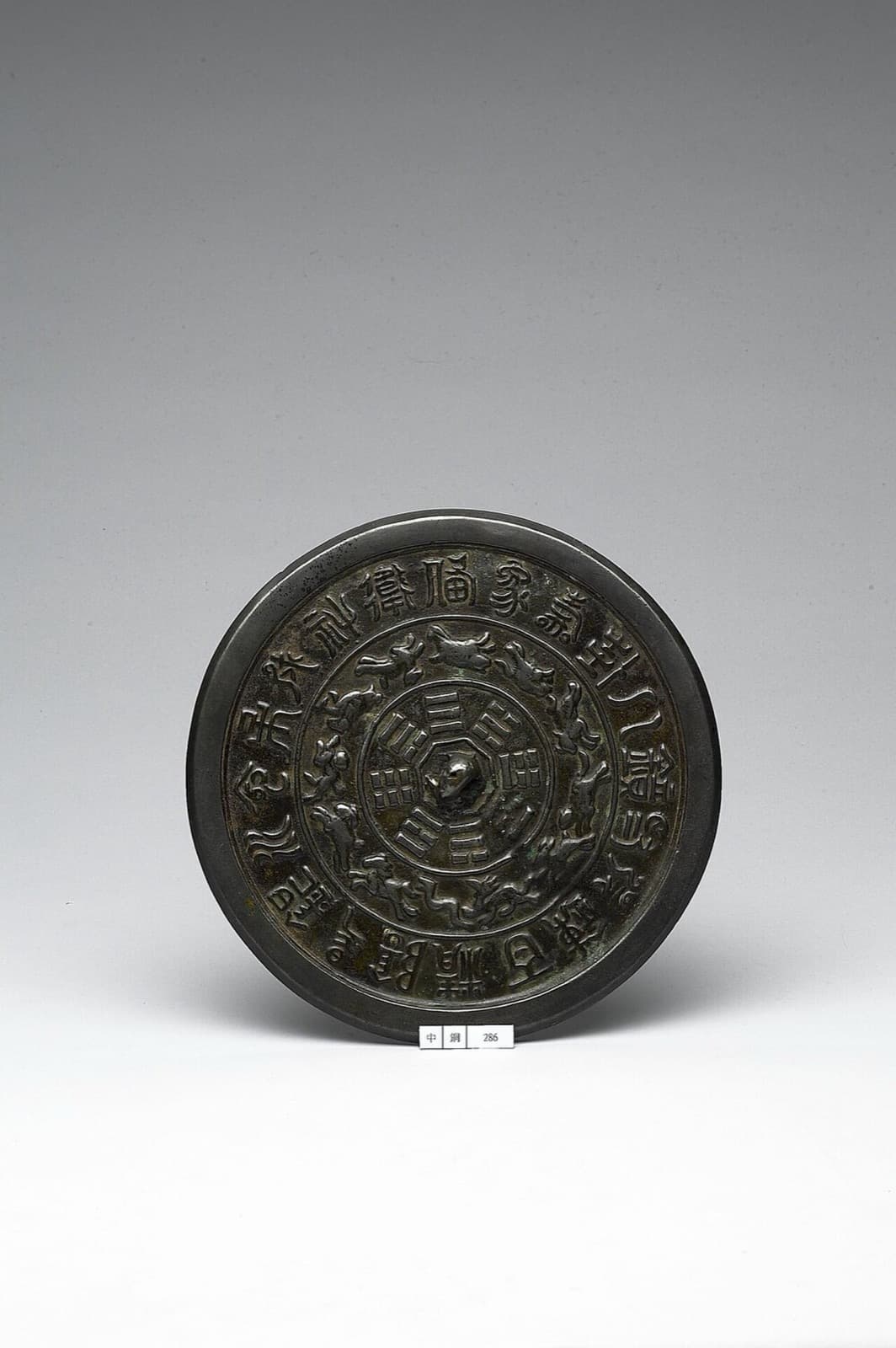
Feng shui ("wind and water") is a traditional East Asian discipline examining the relationship between people and their living environment, based on Yin-Yang, the Five Elements, and the Eight Trigrams. Home feng shui aims to arrange living space so qi (energy) flows favorably, creating a sense of harmony and comfort.
House orientation is typically determined by the Eight Mansions system (East or West group) or by the resident's zodiac/birth-year group. The main door, seen as the "mouth" through which qi enters, deserves particular care, avoid placing it directly opposite a staircase, bathroom, or a sharp corner from a neighboring structure.
The Five Elements (Metal, Wood, Water, Fire, Earth) generate one another in sequence (Wood feeds Fire, Fire feeds Earth, Earth feeds Metal, Metal feeds Water, Water feeds Wood) and overcome one another in a different sequence (Wood overcomes Earth, Earth overcomes Water, Water overcomes Fire, Fire overcomes Metal, Metal overcomes Wood). Choosing colors, materials and layouts that follow the generating cycle, while avoiding the overcoming cycle, is central to home feng shui.
Good qi flow favors open, well-lit spaces and avoids dark, damp, cluttered corners believed to accumulate "bad qi."
The kitchen (wealth and health), bedroom (relationships and health), and altar (spirituality and ancestors) are the three most emphasized areas, generally placed in a quiet, stable spot with solid backing, avoiding a direct line to the front door or a bathroom.
Plants, feng shui stones, and fish tanks are commonly used to add vitality or balance a missing element, ideally chosen to match the resident's personal chart rather than a one-size-fits-all formula.