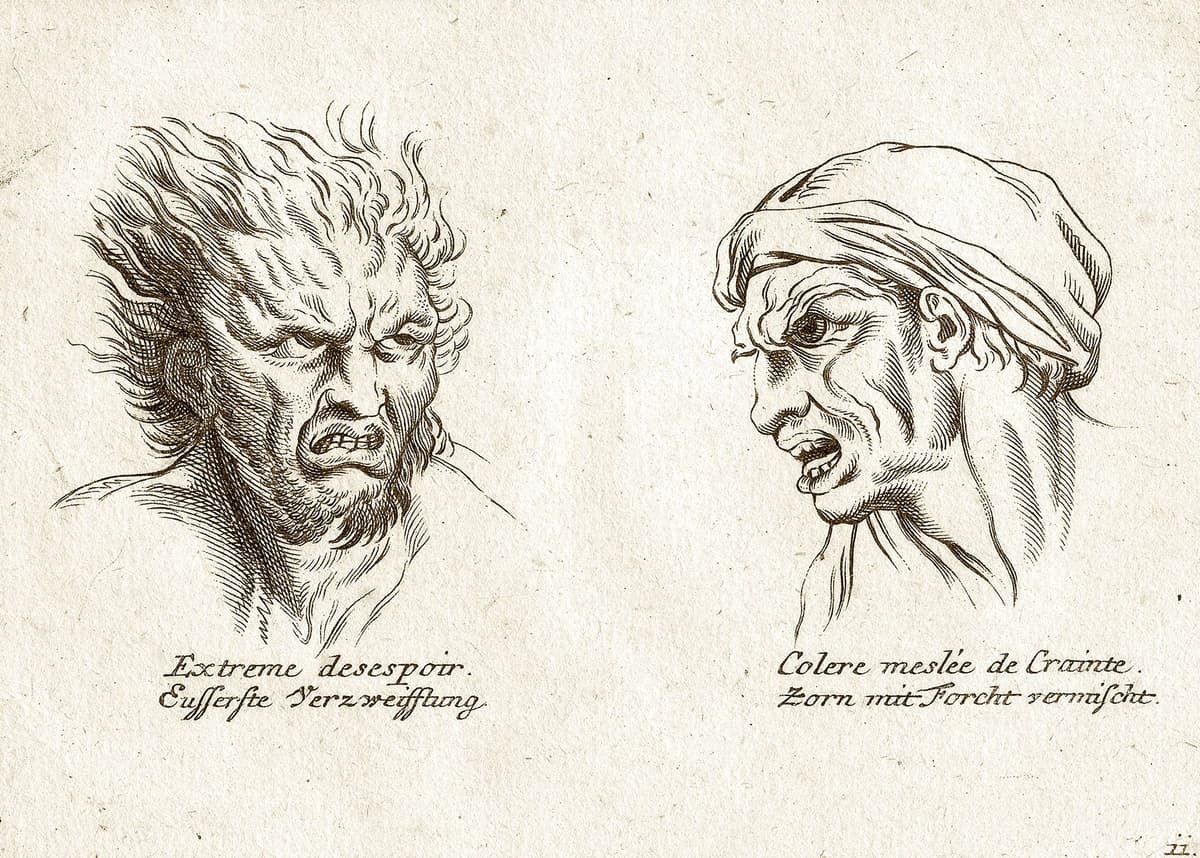
Introduction to Physiognomy and the Role of the Eyes
Physiognomy is an ancient practice found in both Eastern and Western cultures, based on observing appearance – especially the face – to infer personality, health, and destiny. From Aristotle in ancient Greece to Chinese feudal courts, people believed that "the face is the mirror of the soul." In Eastern physiognomy, the eyes are considered one of the most important "windows," reflecting not only character but also intelligence, willpower, and life events.
Basic Factors in Eye Reading
Eye Shape: Large – Small, Long – Short
Large, round eyes are often associated with generosity, openness, and emotional richness, but may lack determination. Conversely, small, narrow eyes are linked to meticulousness, caution, and high concentration, but can also suggest suspicion and calculation. Long, narrow eyes are seen as a sign of vision, patience, and decisiveness – common among leaders.
Slanted Eyes and Controversies
In physiognomy, upward-slanted eyes (outer corner higher than inner) are often labeled as "aggressive" or "hot-tempered." A VnExpress article on physiognomy in criminology mentions that people with "slanted, small eyes with much white" are often stereotyped as cruel and sinister. However, modern studies have rejected any direct link between eye shape and criminal behavior. Many successful, kind-hearted people have slanted eyes, proving this is just one factor in a holistic assessment.
Distance Between Eyes
According to Chinese face reading introduced on VnExpress, the distance between the eyes has meaning: those with widely spaced eyes are often considered lazy and pleasure-seeking, while those with narrower spacing are judged as more work-focused. In reality, this spacing relates to facial structure and should be considered alongside other features like the nose and forehead.
Spirit Light – The Most Important Factor
In physiognomy, the spirit light of the eyes (brightness, liveliness of gaze) matters more than shape. Bright, clear, direct eyes are seen as signs of intelligence, honesty, and integrity. Conversely, dull, shifting eyes may suggest insecurity or hidden intentions.
Correlation with Other Features
Eye reading is never done in isolation. Eyes are combined with eyebrows, nose, and philtrum. For example, bright eyes with thick, messy eyebrows suggest a strong but hot-tempered personality. Beautiful eyes with a crooked nose may diminish the good meaning. The old saying "If the heart is good, the appearance will improve" emphasizes that self-cultivation can alter one's physiognomy over time.
Modern Scientific Perspective
Physiognomy was once used in criminology in the 19th century, notably by Cesare Lombroso with his theory of "born criminals." He listed features like slanted eyes, high cheekbones, and sloping foreheads as signs of criminality. Later research fully discredited this theory. In 2016, a Shanghai Jiao Tong University study using AI to predict criminals from facial images was criticized by Stanford and Google engineers as biased and racist. Modern science confirms no evidence that eye shape or facial features determine personality or behavior.
Conclusion
Reading eyes through physiognomy is an ancient art rich in cultural value, offering insight into how our ancestors observed and interpreted people. However, it should be approached objectively: these are relative experiences, not absolute truths. Evaluating someone should be based on actual behavior, interaction, and time, not solely on eyes or face.