Introduction to Physiognomy and the Role of Eyebrows
Physiognomy (Mian Xiang) is an ancient Chinese divination practice based on observing facial features to predict personality, health, and destiny. According to VnExpress sources, this art dates back to ancient times, rooted in Eastern philosophy, and remains popular today. In the physiognomy system, eyebrows are considered one of the most crucial parts, often called the 'palace of destiny' (baoshou guan), reflecting the ages of 31 to 34 in a person's life.
Unlike the eyes, which reveal the soul, eyebrows are seen as a 'gate' of energy and determination. The ancients believed eyebrows not only protect the eyes but also express courage, benevolence, and relationships with siblings and friends. In East Asian culture, beautiful eyebrows are often described as 'sword-like' (jian mei), 'sleeping silkworm' (wo can), or 'moth antennae' – symbols of wisdom and prosperity.
Key Factors in Reading Eyebrows
Overall Shape
The shape of eyebrows is the first criterion. A good pair should have a natural curve, neither too thick nor too thin, without breaks or roughness. Each shape carries a meaning:
- Arched eyebrows (yue mei): Highly valued, indicating a gentle soul, emotional depth, and support from benefactors. These people often have smooth careers and stable lives.
- Straight, horizontal eyebrows (jian mei): These denote a straightforward, decisive person with strong opinions. Suitable for careers requiring firmness, like the military or law. However, if too straight and long, it may lead to stubbornness.
- Thick, bushy eyebrows (xiong mei): Often associated with good health, strong character, and a quick temper. In folk belief, men with thick eyebrows tend to be ambitious, but if unkempt, they may face disputes.
- Thin, sparse eyebrows (xiu mei): People with thin eyebrows are often sensitive, artistic, and introverted. If extremely sparse, they may lack decisiveness and have few friends, facing career obstacles.
Eyebrow length is also examined. Ideal eyebrows should extend slightly beyond the outer eye corner but not too far toward the temples. Short eyebrows suggest impatience and a tendency to give up halfway.
Color and Luster
Eyebrow color reflects a person's blood and spirit. Ideally, eyebrows should be black or dark brown, shiny – indicating good health and stable temperament. Conversely:
- Yellow, dry eyebrows: Signal poor blood circulation, fatigue, possible liver or kidney issues. In fortune terms, these people may face career setbacks and need to care for their health.
- Reddish or pale white eyebrows: Abnormal signs, possibly linked to hormonal imbalances or anemia. In physiognomy, they warn of major emotional or financial upheavals.
White hairs appearing prematurely or stray hairs growing against the grain are considered bad omens, indicating family or work discord.
Position and Distance Between Eyebrows
The distance between the inner ends of the eyebrows, called 'yintang' (the space between the brows), is crucial. Yintang is located between the eyes, above the nose bridge, and is considered the center of focus and intellect.
- Wide yintang (distance over two finger widths): Indicates generosity, forgiveness, and vision. These people enjoy comfortable lives but may become lazy if too wide.
- Narrow yintang (distance under one finger width): Suggests meticulous, perfectionist, and anxious individuals. They may be hard to get along with, prone to conflict. If eyebrows nearly touch (unibrow), it indicates suspicion, stubbornness, and potential gossip.
This distance affects not only personality but also fortune. Folk belief says those with narrow yintang face hardships in love and family harmony.
Eyebrows and Their Connection to Other Facial Features
Eyebrows do not stand alone; they combine with eyes, nose, and ears to form a holistic picture. A person with beautiful eyebrows but slanted eyes with much white (a fierce feature) is still judged as difficult and hot-tempered – as mentioned in VnExpress's article on criminal physiognomy. Conversely, elegant eyebrows with bright, clear eyes are signs of a benevolent person blessed by benefactors.
Eyebrows are also seen as a 'gateway' of vital energy. In traditional Chinese medicine, the eyebrow area relates to the liver and gallbladder meridians. Premature eyebrow loss, dryness, or graying may indicate liver weakness, prompting dietary and rest adjustments.
Scientific Perspective and Cautions
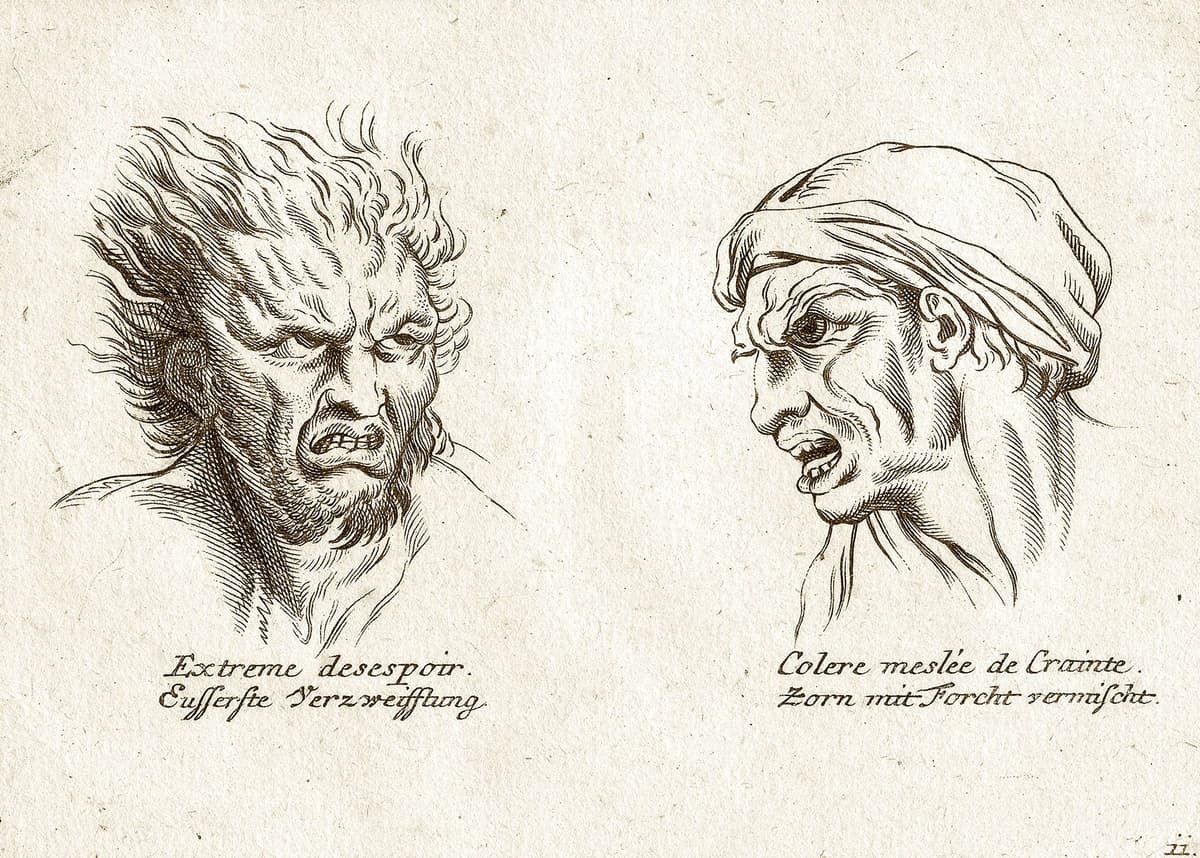
Despite physiognomy's millennia-long existence and continued popularity, modern science does not validate its absolute accuracy. Research on criminal physiognomy, such as Cesare Lombroso's late-19th-century work, once suggested that people with thick eyebrows, high cheekbones, etc., were prone to criminality. However, these theories were later dismissed as biased and unscientific.
Modern studies, including AI-based facial recognition, remain controversial regarding reliability and discrimination risks. As VnExpress reported, 'predicting criminals' from faces can lead to severe errors, harming innocent people.
Therefore, when exploring eyebrow physiognomy, you should:
- Treat it as a cultural experience, a lens into Eastern philosophy, not a definitive guide.
- Avoid using it to judge or stigmatize others, as appearances can change with time and mindset – as the saying goes, 'the face changes with the heart'.
- Combine with a healthy lifestyle and moral cultivation, for 'a good heart yields a good face'.
Conclusion
Eyebrows in physiognomy are not merely aesthetic features but a 'mirror' reflecting many aspects of a person: personality, health, and fortune. Yet these interpretations are experiential and cultural rather than scientific. Understanding and applying them wisely, without fanaticism, helps you gain a multidimensional view of yourself and others while appreciating the wisdom of the ancients.