Introduction to MBTI and Cognitive Functions
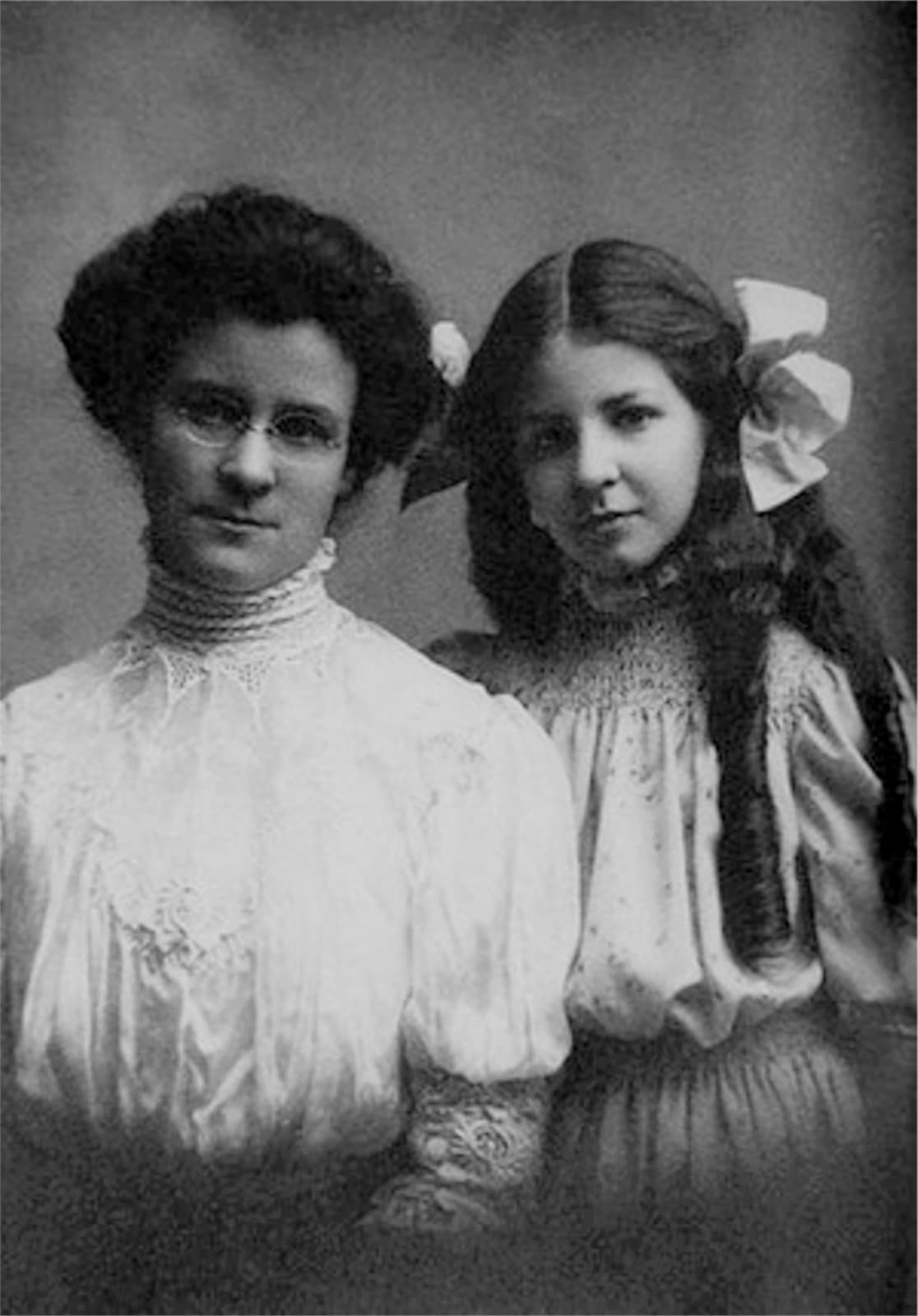
MBTI (Myers-Briggs Type Indicator) is a popular personality assessment tool, built on the typology theory of psychologist Carl Gustav Jung and developed by Katharine Cook Briggs and her daughter Isabel Briggs Myers. This tool helps individuals recognize their strengths and weaknesses, guiding career choices and relationship development. The assessment is based on four dichotomies: Energy source (Extraversion - E / Introversion - I), Information processing (Intuition - N / Sensing - S), Decision-making (Thinking - T / Feeling - F), and Lifestyle (Judging - J / Perceiving - P).
However, to understand MBTI more deeply, we must explore the concept of "cognitive functions." These are the core foundation of MBTI theory, describing how a person takes in information and makes decisions. Each person has four primary functions arranged in a hierarchy of preference, forming a unique "information processing system."
What is Extraverted Intuition (Ne)?
Extraverted Intuition (abbreviated as Ne) is one of the two cognitive functions in the "Intuition" group, alongside Introverted Intuition (Ni). While Sensing types use their five senses to perceive the world concretely, Intuitive types trust abstract, hidden possibilities and their own potential.
Specifically, Ne is a function oriented outward to gather and explore ideas, patterns, and possibilities. It is less concerned with how the world "is" and more focused on how it "could be." Individuals with dominant or auxiliary Ne typically have an open mind, readily embrace various streams of thought, and continuously connect ideas from diverse sources.
How Ne Works
Ne acts like an "idea generator." It constantly scans the environment for patterns, hidden connections, and new possibilities. When an idea emerges, Ne quickly creates a chain of associations, jumping from one concept to another, producing a rich and varied web of ideas.
This makes Ne users highly flexible and perceptive thinkers. They can view a problem from many angles and devise creative solutions others might miss. However, because they are so focused on future possibilities and may overlook small details, they can struggle to stay present and complete a specific task following a fixed procedure.
Manifestations of Ne Across Personality Types
Ne is the dominant or auxiliary function for personality types with the second letter N and the fourth letter P: ENFP, ENTP, INFP, and INTP.
ENFP and INFP: Ne as Auxiliary Function
For ENFPs (the Inspirers) and INFPs (the Idealists), Ne supports Introverted Feeling (Fi). They use Ne to discover possibilities and ideas that align with their core values and inner emotions.
In ENFPs, Ne is strongly directed outward, making them energetic, enthusiastic, and open. They enjoy socializing, connecting with people, are eager for new experiences, and can lead conversations. They see potential in others and inspire them to chase dreams. ENFPs often thrive in communication-oriented roles like journalism, consulting, or entrepreneurship.
INFPs also use Ne to explore ideas but more introspectively. They spend considerable time reflecting on possibilities in their rich inner world, often gravitating toward artistic creation, writing, or humanitarian ideals.
ENTP and INTP: Ne as Dominant Function
For ENTPs (the Visionaries) and INTPs (the Thinkers), Ne is the dominant function, serving as their primary "lens" on the world. They use Ne to continuously explore possibilities, challenge assumptions, and seek novel approaches to problems.
ENTPs are extraverted, energetic, and enjoy investigating everything around them. Their sharp intuition lets them quickly grasp others' psychology. At work, they are flexible, perceptive, full of creative ideas, and constantly exchange thoughts to learn. They may overlook small details, sometimes missing crucial elements when turning ideas into reality.
INTPs direct Ne toward exploring abstract concepts and theories. They love analyzing, dissecting systems of thought, and finding logical gaps. They are natural thinkers, scientists, and philosophers, always seeking deep understanding of the world.
Strengths and Weaknesses of Prominent Ne Users
Strengths
- Creativity and Innovation: The ability to connect disparate ideas yields unique, groundbreaking solutions.
- Strategic Thinking: They see the big picture, easily envisioning future scenarios and potential opportunities.
- Flexibility and Adaptability: Comfortable with change, they adapt quickly to new situations without being constrained by rigid rules.
- Enthusiasm and Inspiration: Their energy and excitement are contagious, motivating those around them.
- Strong Problem-Solving: They identify multiple solutions and adjust quickly when facing obstacles.
Weaknesses
- Impatience: They easily tire of repetitive, detail-oriented tasks.
- Difficulty Finishing: They start many projects but struggle to complete them, distracted by new ideas.
- Impulsiveness: Sometimes they decide based on momentary inspiration without weighing consequences, like an ENFP suddenly quitting a job on a whim.
- Unrealistic: Overly focused on future potential, they may ignore current constraints and limitations.
- Poor Focus: They find it hard to maintain concentration on one task for long periods.
Applying Ne Understanding in Life and Work
Understanding Ne helps individuals know themselves and is valuable for building relationships and career growth. In the workplace, recognizing those with a Ne inclination allows managers to assign tasks appropriately. A strong Ne user excels in roles like ideation, strategy, research, and new product development. Conversely, they feel stifled and ineffective in jobs demanding strict procedural compliance.
In relationships, Ne users need a partner or colleague who can "anchor" them to reality, helping filter and realize the best ideas. Combining a Ne user (visionary) with someone strong in Si or Te (executor) often creates a dynamic duo, blending foresight with action.
Conclusion
Extraverted Intuition (Ne) is a powerful cognitive function, offering creative, flexible thinking and a far-reaching vision. Those with this function are "explorers" of the idea world, always seeking novelty and hidden potential. However, they must learn to balance exploration with execution to turn great ideas into tangible results. Understanding Ne and other cognitive functions not only helps us know ourselves but also appreciate each person's uniqueness, fostering more effective relationships and work environments. As an expert once shared, each person is unique; no personality type is inherently good or bad, what matters is how we leverage it and connect with others.
