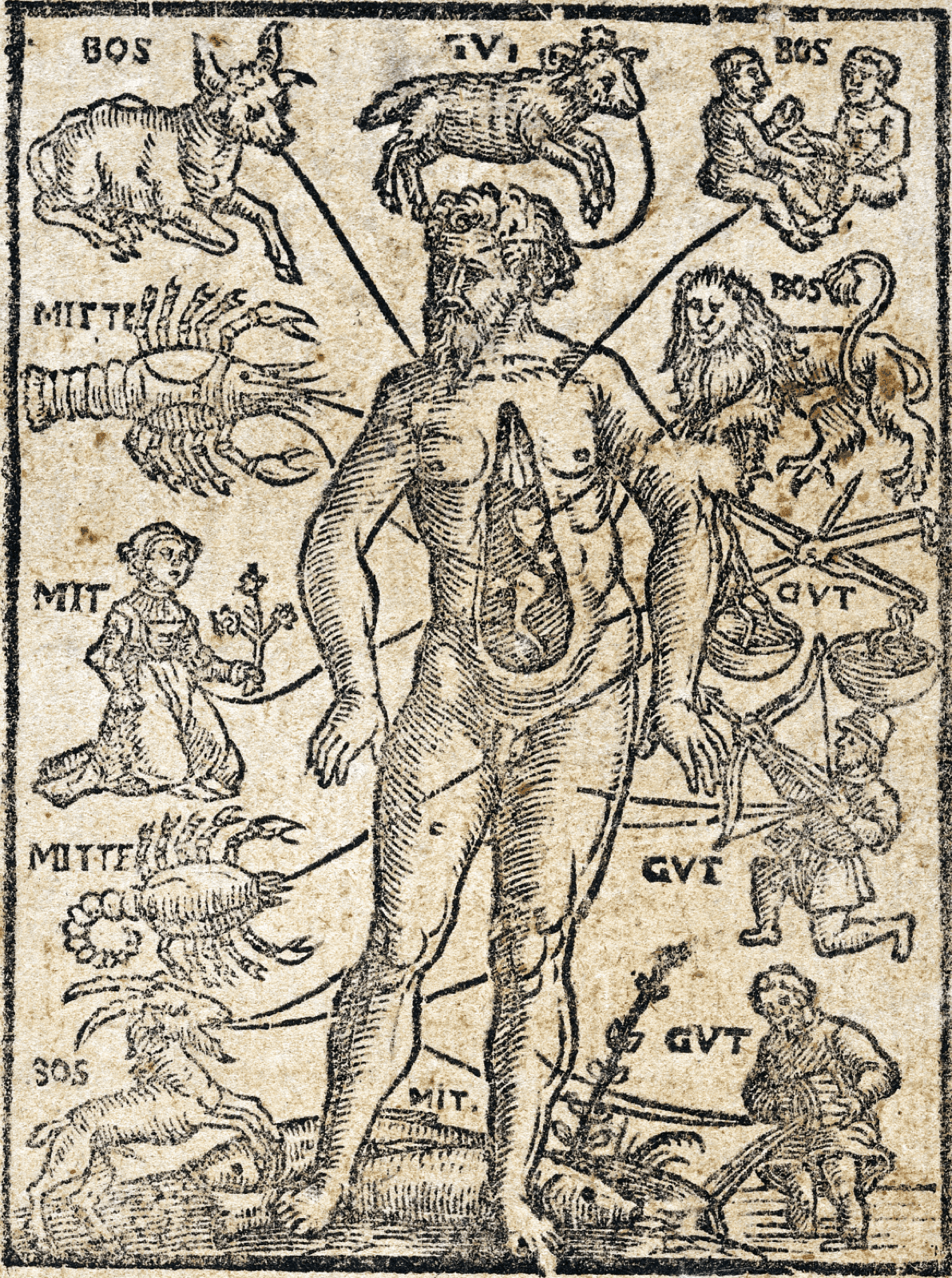
In Western astrology, each zodiac sign is assigned a "ruling planet" believed to most strongly shape that sign's personality and energy. The concept dates to ancient astrology, which used the seven celestial bodies visible to the naked eye (Sun, Moon, Mercury, Venus, Mars, Jupiter, Saturn), later extended after the discovery of Uranus, Neptune, and Pluto.
Ruling planets by sign: Aries–Mars, Taurus–Venus, Gemini–Mercury, Cancer–Moon, Leo–Sun, Virgo–Mercury, Libra–Venus, Scorpio–Pluto (traditionally Mars), Sagittarius–Jupiter, Capricorn–Saturn, Aquarius–Uranus (traditionally Saturn), Pisces–Neptune (traditionally Jupiter).
Before Uranus (1781), Neptune (1846), and Pluto (1930, later reclassified as a dwarf planet) were discovered, ancient astrology had only seven bodies to assign across twelve signs, so some planets ruled two signs each. After the new planets were found, some modern astrologers reassigned Scorpio, Aquarius, and Pisces to the new planets, while other schools still use both the traditional and modern rulers side by side.
Basic planetary meanings: Sun (self, vitality), Moon (emotion, instinct), Mercury (communication, thought), Venus (love, aesthetics), Mars (action, will), Jupiter (expansion, luck), Saturn (discipline, limits, life lessons), Uranus (innovation, disruption), Neptune (dreams, intuition, spirituality), Pluto (transformation, hidden power).