What is a New Moon?
The New Moon is one of the eight primary lunar phases, occurring when the Moon is positioned between the Earth and the Sun. At this moment, the illuminated side of the Moon faces entirely away from Earth, making it invisible from our perspective for a few days. According to NASA, a lunar cycle , also called a synodic month , lasts an average of 29.5 days, beginning with the New Moon.
Solar eclipses can only occur during a New Moon, when the Moon crosses directly between the Sun and Earth. However, because the Moon's orbit is inclined about 5 degrees to the ecliptic plane, eclipses do not happen every New Moon.
Astrological Significance
In Western astrology, the New Moon is regarded as the time when "seeds are planted." While the Full Moon represents culmination, light, and visible results, the New Moon is a phase of darkness, hidden potential, and inward energy. The Sun and Moon are conjunct in the same zodiac sign, creating a fusion of consciousness (Sun) and emotion, subconscious (Moon).
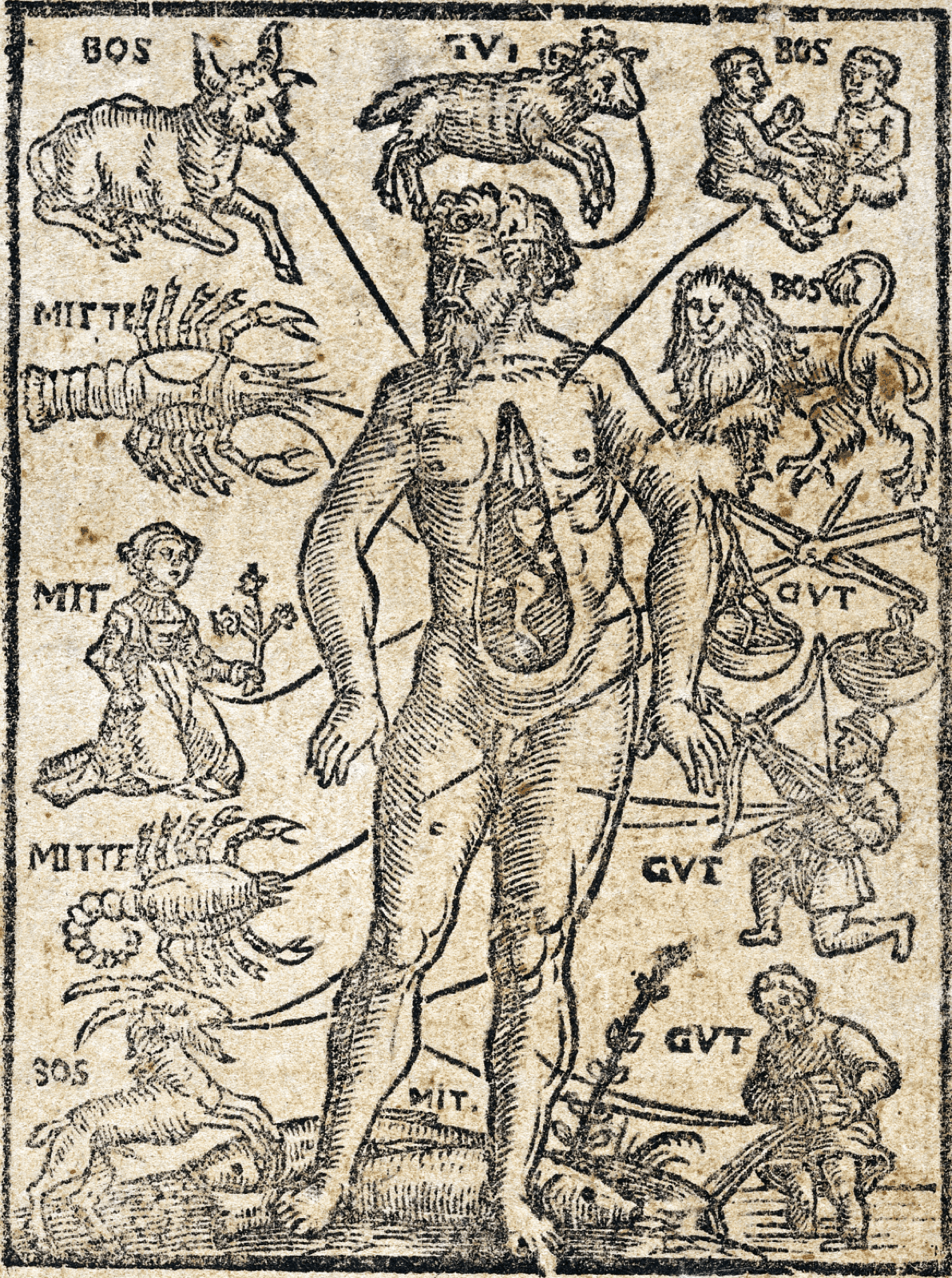
New Moon in the 12 Signs
Each New Moon occurs in a specific zodiac sign, which colors the cycle's energy:
- Aries New Moon: bold, courageous beginnings.
- Taurus New Moon: stability, values, and security.
- Gemini New Moon: communication, learning, connection.
- Cancer New Moon: family, emotions, nurturing.
- Leo New Moon: creativity, self-expression, joy.
- Virgo New Moon: improvement, detail, service.
- Libra New Moon: balance, harmony in relationships.
- Scorpio New Moon: deep transformation, confronting the hidden.
- Sagittarius New Moon: expanding horizons, freedom, philosophy.
- Capricorn New Moon: foundations for career, discipline.
- Aquarius New Moon: innovation, progressive thinking, community.
- Pisces New Moon: spirituality, intuition, compassion.
The 29.5-Day Cycle
The lunar cycle has two distinct halves. The first half , from New Moon to Full Moon , is a period of increasing light, representing growth and outward action. About two weeks after the New Moon, the Full Moon appears when the Moon opposes the Sun. The second half , from Full Moon to the next New Moon , is a time of decreasing light, suitable for release and reflection.
Ancient Babylonians used a lunar calendar about 2,500 years ago, and many religious traditions, including Islam and Judaism, still follow lunar months for their festivals.
Practical Applications
Intention Setting
A popular practice among astrology enthusiasts is to set intentions at the exact time of the New Moon. Writing specific goals , rather than vague wishes , is believed to help orient the mind and emotions throughout the following 29.5-day cycle.
Ideal Time for New Beginnings
In folk traditions, the waxing half of the lunar month is considered favorable for launching new projects, signing contracts, or starting positive habits. The waning half is better suited for completion and rest.
A Balanced View
It is important to note that astrology is symbolic and subjective, not empirical science. The feeling that New Moon energy motivates you may stem from a psychological effect , when people believe in a cycle, they tend to act accordingly. Nevertheless, using the New Moon as a regular checkpoint for reflection and goal-setting can be a useful tool for creating a stable rhythm in modern life.