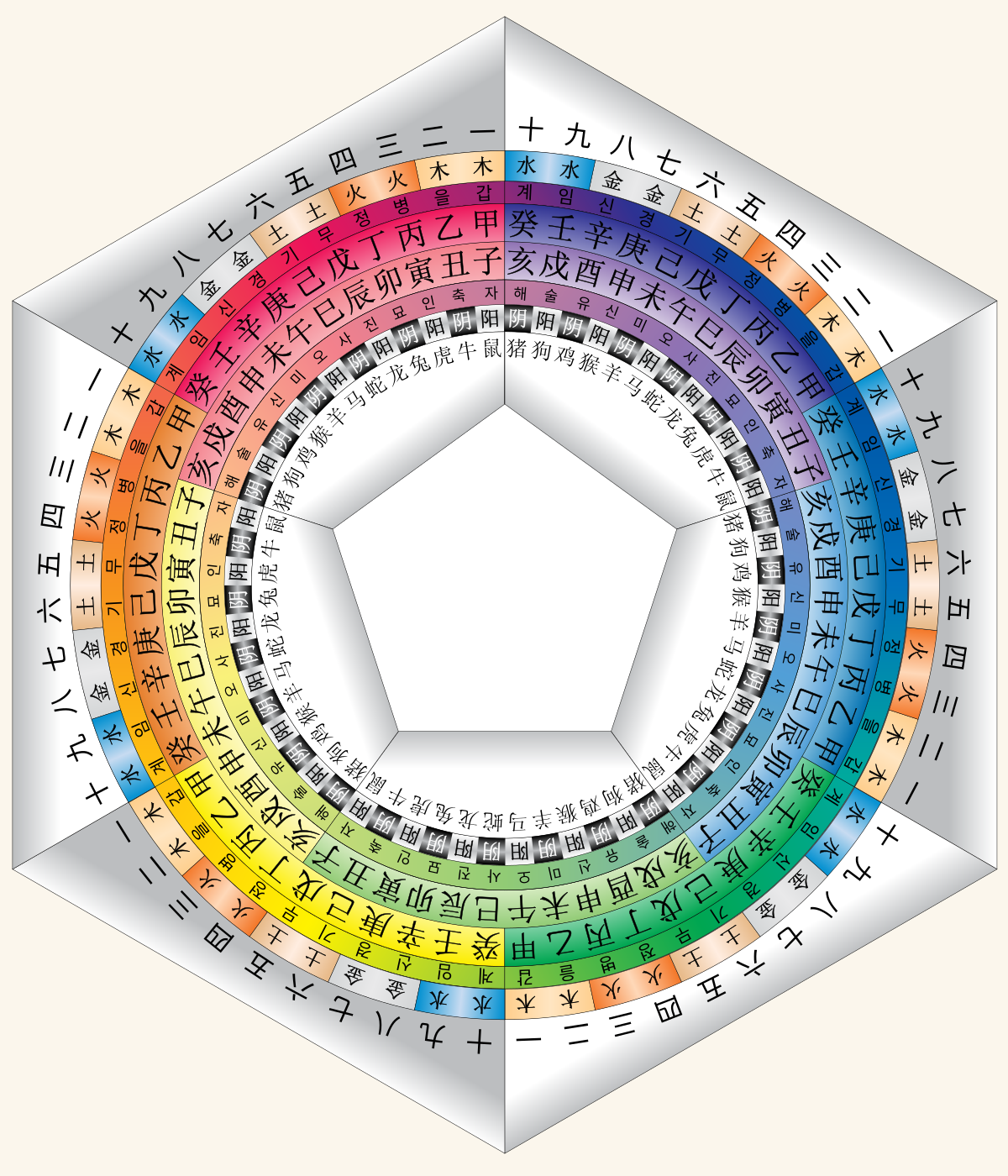
What is Tiao Hou?
Tiao Hou (調候) is a principle in BaZi chart interpretation that focuses on adjusting the "climate" of a chart. Each chart is formed by four pillars: Year, Month, Day, and Hour, carrying the characteristics of seasons and the five elements. When a chart falls into a state of being too hot, too cold, too dry, or too moist, the interpreter may choose the useful god according to the Tiao Hou approach to restore balance.
Unlike methods that select the useful god based on strength or weakness of the day master or on harmonizing elements, Tiao Hou emphasizes temperature and humidity within the chart. The goal is to help the day master and the entire chart operate more harmoniously, thereby interpreting personality, health, and fortune.
Origin and theoretical basis
Tiao Hou is tied to the theory of Yin-Yang and the Five Elements and the concept of balance. In nature, cold winters need warmth, and hot summers need coolness. Applied to BaZi, ancients believed that a chart also needs "climate regulation" to avoid extremes.
This basis is mentioned in many classical texts on Four Pillars, but interpretations and priorities may vary among schools. Tiao Hou is often considered one of the important criteria alongside other principles such as suppression, support, and harmonization.
How to use Tiao Hou in chart interpretation
When interpreting a chart, one examines the birth month and the heavenly stems and earthly branches to identify the season. If the chart leans toward cold, one may seek elements with warming qualities to regulate. Conversely, if the chart is too hot, cooling elements are considered necessary.
Tiao Hou does not stand alone. A useful god that both regulates temperature and suits the day master's strength is often highly regarded. However, if one selects solely based on Tiao Hou and ignores the whole, the interpretation may lack accuracy.
Distinction from easily confused terms
Tiao Hou differs from "harmonization" (bridging elements through mediation) and "regulating day master strength." Harmonization focuses on resolving conflicts between elements, while Tiao Hou focuses on temperature. Some confuse Tiao Hou with the general "useful god," but Tiao Hou is only one criterion for selecting the useful god.
Additionally, "Tiao Hou" is not synonymous with "supplementing" missing elements. Adding a lacking element may coincide with Tiao Hou, but not always.
Notes on application
Tiao Hou is traditional knowledge for reference, not scientifically verified. Readers should approach it with a learning spirit and not view it as a tool that determines fate or replaces practical decisions in life.