


What is Điều Hậu?
Điều Hậu (調候) is a principle for choosing the useful god in Bát Tự to regulate the hot, cold, dry, or damp climate of the chart toward balance, and it is typically used when the destiny structure leans strongly in temperature. The theoretical basis is presented in Trích Thiên Tủy (the Hàn noãn chapter) and Cùng Thông Bảo Giám.
Also called: Điều Hậu Dụng Thần (Climate Adjustment Useful God) · Điều Hậu (Climate Adjustment)
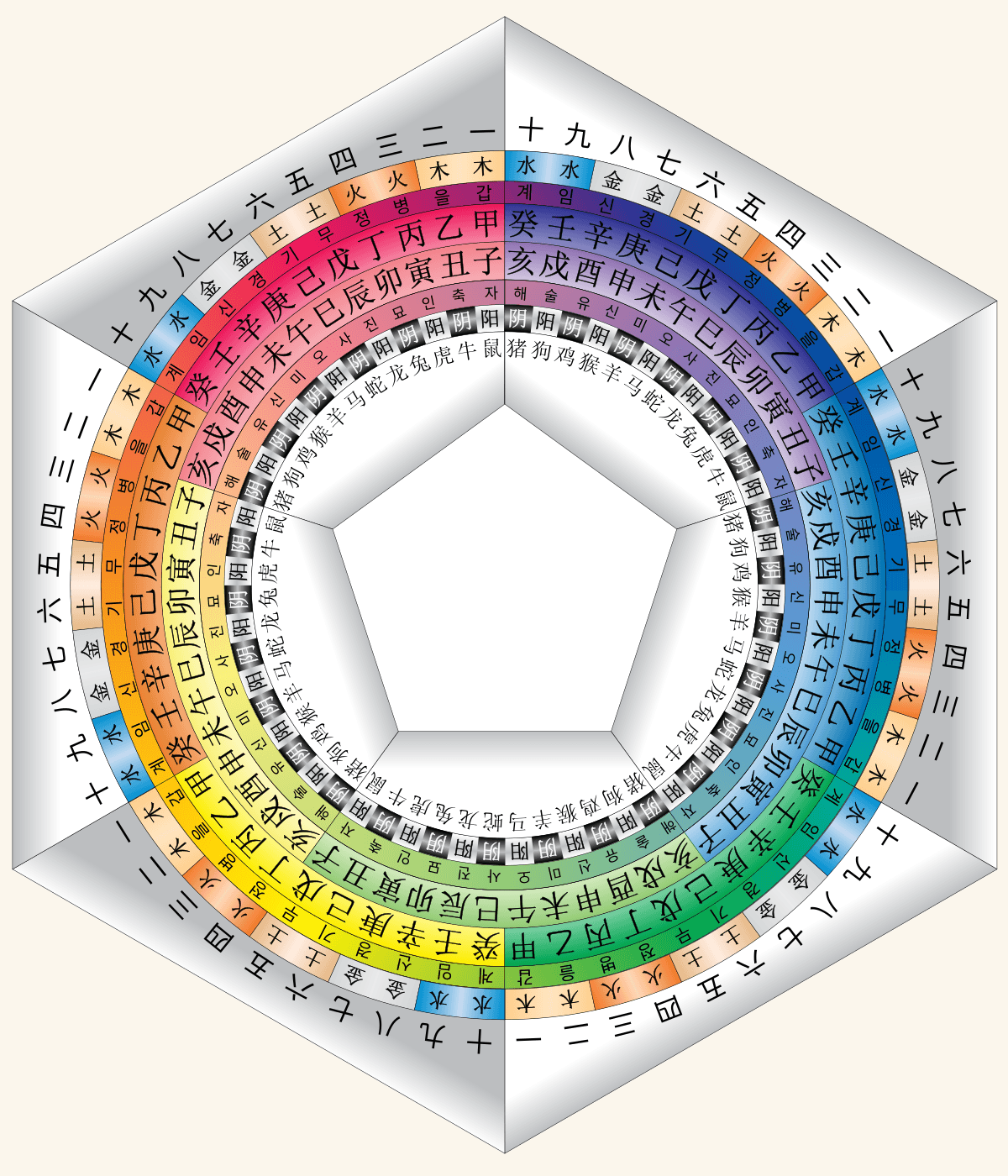
What is Điều Hậu?
Điều Hậu (調候) is a principle in Bát Tự (BaZi) destiny analysis, focused on adjusting the "climate" of a chart. Each chart is formed from four pillars, Year, Month, Day and Hour, carrying the characteristics of the season and the five elements. When a chart falls into a state of being too hot, too cold, too dry or too damp, the reader can choose a useful god in the direction of điều hậu to restore balance.
Unlike methods of choosing a useful god based on a strong or weak day master, or on thông quan (mediating between elements), điều hậu places its focus on the temperature and humidity factors of the chart. The aim is to help the Day Master and the whole chart operate more harmoniously, and from there to interpret personality, health and the course of fortune.
What is the origin and theoretical basis of Điều Hậu?
Điều Hậu is tied to the theory of Yin Yang and the Five Elements and to the notion of balance. In nature, a freezing winter needs warmth, a sweltering summer needs coolness. Applied to Bát Tự, the ancients held that a chart likewise needs its "climate regulated" to avoid extremes.
This basis is set out in the book Trích Thiên Tủy, in the chapter Hàn noãn (Cold and Warm). That chapter says: "the way of heaven has cold and warmth, nurturing the myriad things; the way of man, receiving it, cannot be excessive", and in the commentary section: metal and water are cold, wood and fire are warm; meeting warmth when receiving cold qi, it flourishes; meeting cold when receiving warm qi, it is completed. The book also says "the way of earth has dryness and dampness... it cannot be one-sided". Trích Thiên Tủy is traditionally attributed to Liu Ji (Liu Bowen), but modern scholarship does not regard that as proven; the commonly cited edition today is the condensed edition from the Qing dynasty.
Another source often mentioned is Cùng Thông Bảo Giám, formerly titled Lan Giang Võng, of unknown authorship, in the edition circulated as compiled by Dư Xuân Đài in the Qing dynasty. This book examines the useful god for each day stem in each season, with heavy emphasis on hot and cold, for example "wood born in spring, a little cold still remains, it welcomes fire to warm it" and "in the tenth month, for Jia wood, Geng and Ding are needed, Bing fire comes next". This is the book that students of Bát Tự often associate with the approach of choosing a useful god by điều hậu.
Interpretation and the degree of priority given to điều hậu can differ among readers. Điều Hậu is usually regarded as one of the important criteria alongside other principles such as suppression, support and thông quan.
How is Điều Hậu used in destiny analysis?
When reading a chart, one examines the birth month and the stems and branches to identify the season. If the chart leans toward cold, one may look for an element with warming, heating qualities to regulate it. Conversely, if the chart is too hot, an element with cooling qualities is regarded as the necessary factor.
Điều Hậu is not separate from other principles. A useful god that both regulates the climate and suits a strong or weak day master is usually rated highly. However, if one chooses solely by điều hậu while ignoring the whole picture, the interpretation may lack accuracy.
How is Điều Hậu distinguished from easily confused terms?
Điều Hậu differs from "thông quan" (通關, that is, the five elements connecting through a bridge) and from "regulating a strong or weak day master". Thông quan focuses on resolving conflict between elements, while điều hậu focuses on the temperature factor. Some people confuse điều hậu with "useful god" in general, but điều hậu is only one criterion for choosing a useful god.
In addition, "điều hậu" is not synonymous with "supplementing" according to a missing element. Adding a missing element may coincide with điều hậu, but not always.
What should be kept in mind when applying Điều Hậu?
Điều Hậu is traditional knowledge of a reference nature and has not been verified by science. Readers should approach it in a spirit of learning and should not treat it as a tool that decides destiny or as a substitute for practical decisions in life.
How do the different ways of applying Điều Hậu vary?
Điều Hậu is not the name of schools with founders or their own books. These are simply different ways of applying it that a reader may choose:
- Considering điều hậu first: When a chart has a clear imbalance in climate, điều hậu is considered before other factors, because temperature balance is held to be the prerequisite for the chart to function.
- Considering điều hậu as a supplementary criterion: Điều hậu is only one of many criteria and needs to be combined with a strong or weak day master, thông quan and other principles; it should not be made absolute.
- Making little use of điều hậu: Some readers rarely mention điều hậu, focusing on the generating and controlling relations of the five elements and the Ten Gods, holding that climate is only a secondary factor.
Related articles
- Thiên Ấn (Kiêu Thần) in the Ten Gods of Bát Tự - meaning and application in destiny analysis
- Thiên Tài in the Ten Gods of Bát Tự - meaning and application in destiny analysis
- Chính Ấn in the Ten Gods of Bát Tự: Meaning and application in destiny analysis
- Thực Thần in the Ten Gods of Bát Tự: Meaning and application in destiny analysis
- Thất Sát in the Ten Gods of Bát Tự - meaning and application in destiny analysis
- Kiếp Tài in the Ten Gods of Bát Tự - meaning and application in destiny analysis
- What is Bát Tự (Four Pillars)? How to read destiny through the eight characters of stems and branches
- What Are the Ten Gods in Bát Tự? The Meaning of the 10 Stars in the Four Pillars
- Tỷ Kiên in the Ten Gods of Bát Tự - meaning and application in destiny analysis
- Chính Tài in the Ten Gods of Bát Tự - meaning and application in destiny analysis
- Thương Quan in the Ten Gods of Bát Tự - meaning and application in destiny analysis
- The Twelve Stages of Growth in Bát Tự: The 12 Phases of Rise and Decline in a Person's Life


