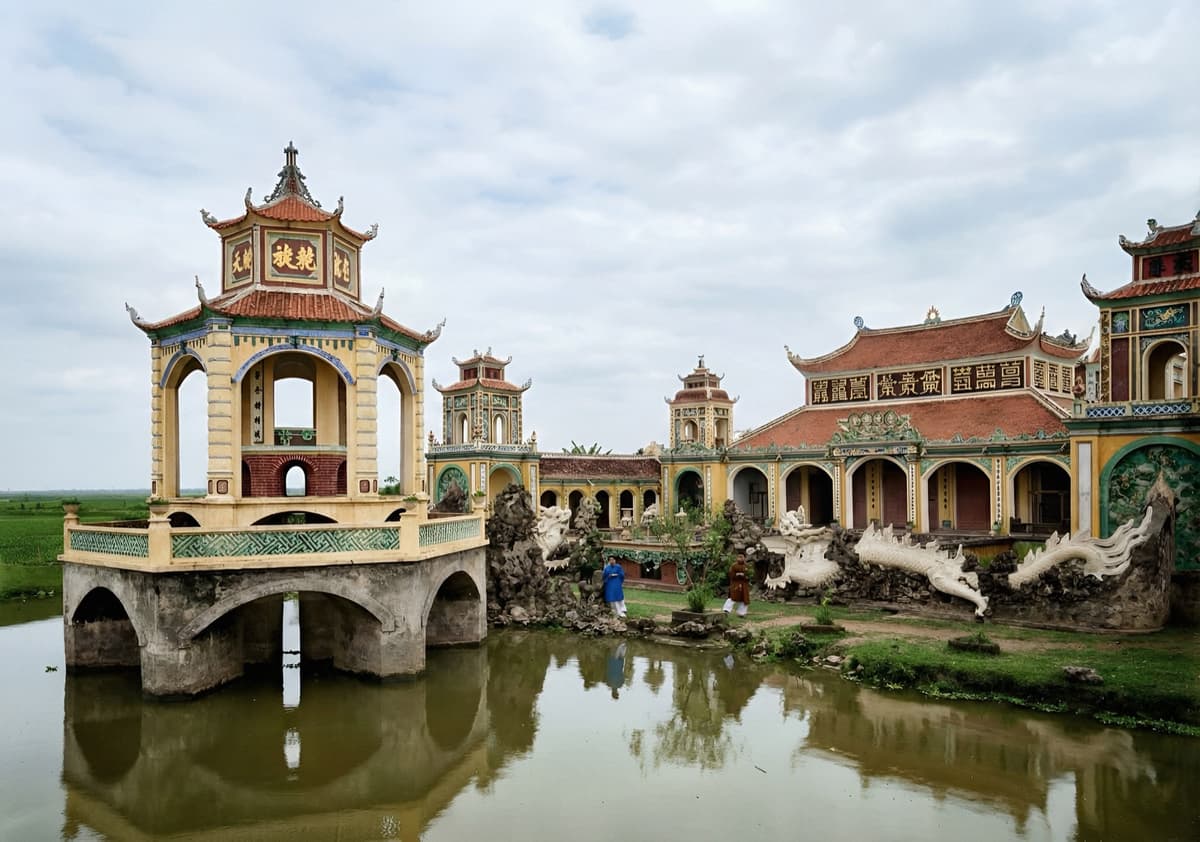
Spiritual Significance of the Full Moon and First Day
In Vietnamese culture, the first day (Soc) and the full moon day (Vong) of each lunar month are considered important moments to connect with the spiritual world. These are times when families offer incense and prepare trays of offerings to honor ancestors and pray for peace and good fortune. The first full moon of the year (Tet Nguyen Tieu) is the most significant, reflected in the saying "Worshipping all year is not as important as the first full moon."
Common Taboos When Making Offerings
Avoid Artificial Flowers and Fruits
Many families place artificial flowers or fruits on the altar for their durability and appearance. However, folk beliefs advise against this. Worshipping requires a pure heart and sincerity. Fresh flowers and fruits should be used to show genuine devotion, as artificial items are considered disrespectful and lack spiritual value.
Do Not Offer Mock Meat Vegetarian Dishes
Many families choose vegetarian offerings on the full moon to avoid killing and accumulate merit. This is a good practice. However, the vegetarian dishes should be purely vegetarian, avoiding mock meat products that imitate chicken or pork. This inconsistency may diminish the noble intention of avoiding killing during these sacred days.
Do Not Move the Incense Burner
The incense burner is where deities and ancestors reside, considered the soul of the altar. When cleaning the altar on the full moon or first day, one must never move the incense burner from its original position. If cleaning is necessary, one should light incense and ask permission from the deities and ancestors first. Moving it may disturb the sacred space and affect the family's harmony.
Avoid Excessive Votive Paper Burning
Both folk beliefs and Buddhist teachings do not encourage burning excessive amounts of votive paper. The essence of worship lies in a sincere heart, not in lavish offerings or excessive burning. This practice causes waste and environmental pollution without providing real spiritual value.
Do Not Offer a Pig's Head
For meat offerings on the first full moon, tradition advises against offering a pig's head. This stems from the belief that killing during important lunar days may affect the family's fortune. Instead, families typically offer boiled chicken, pork rolls, or other traditional prepared dishes.
Do Not Use Fake or Illegally Obtained Money
Placing real money on the altar is a common practice symbolizing a wish for wealth and luck. However, this money must be genuine and earned through honest labor. Never place fake money on the family altar, and crucially, never use money obtained through illegal or unethical means. Such actions are considered disrespectful and may bring misfortune.
Timing and Attitude
Appropriate Time
According to folk beliefs, the best time for offerings is early morning or before noon, when yang energy is strongest. Some families perform rituals the evening before to prepare more thoroughly, but offering on the actual day remains preferable.
Maintain a Reverent Attitude
The most important element is the worshipper's mindset. Sincerity, solemnity, and focus during prayers determine the ritual's effectiveness. Avoid loud conversations, laughter, or careless behavior while burning incense and praying.
Conclusion
These folk taboos are not rigid rules but ways to express respect for tradition and the spiritual world. The core remains sincerity and virtuous intention. Understanding and practicing these customs preserves cultural beauty while bringing peace of mind and confidence to daily life.

