Introduction to the Festival of King Dinh Tien Hoang Temple
The festival of King Dinh Tien Hoang Temple is a key part of the cultural heritage at Hoa Lu Ancient Capital, now in Truong Yen commune, Hoa Lu district, Ninh Binh province. This site marks the career of Dinh Bo Linh, who quelled the 12 feudal lords, unified the country, and established Dai Co Viet state in 968. The festival is held annually from the 9th to 11th day of the third lunar month, honoring the founding father and educating the tradition of "remembering the source when drinking water."
Historical Background: Dinh Bo Linh and Dai Co Viet
Dinh Bo Linh (924-979), a native of Hoa Lu, was a talented leader during the turbulent period after the Ngo dynasty collapsed. He used the rugged mountains of Hoa Lu as a base to recruit and train troops. After pacifying the feudal lords, he ascended the throne in 968, taking the title Dinh Tien Hoang, naming the country Dai Co Viet, and setting the capital at Hoa Lu. This decision was not only military but also symbolic of the first centralized feudal state in Vietnamese history. The Dinh kings established state institutions, minted coins, and built palaces, laying the foundation for future development.
Architecture and Worship at the Temple
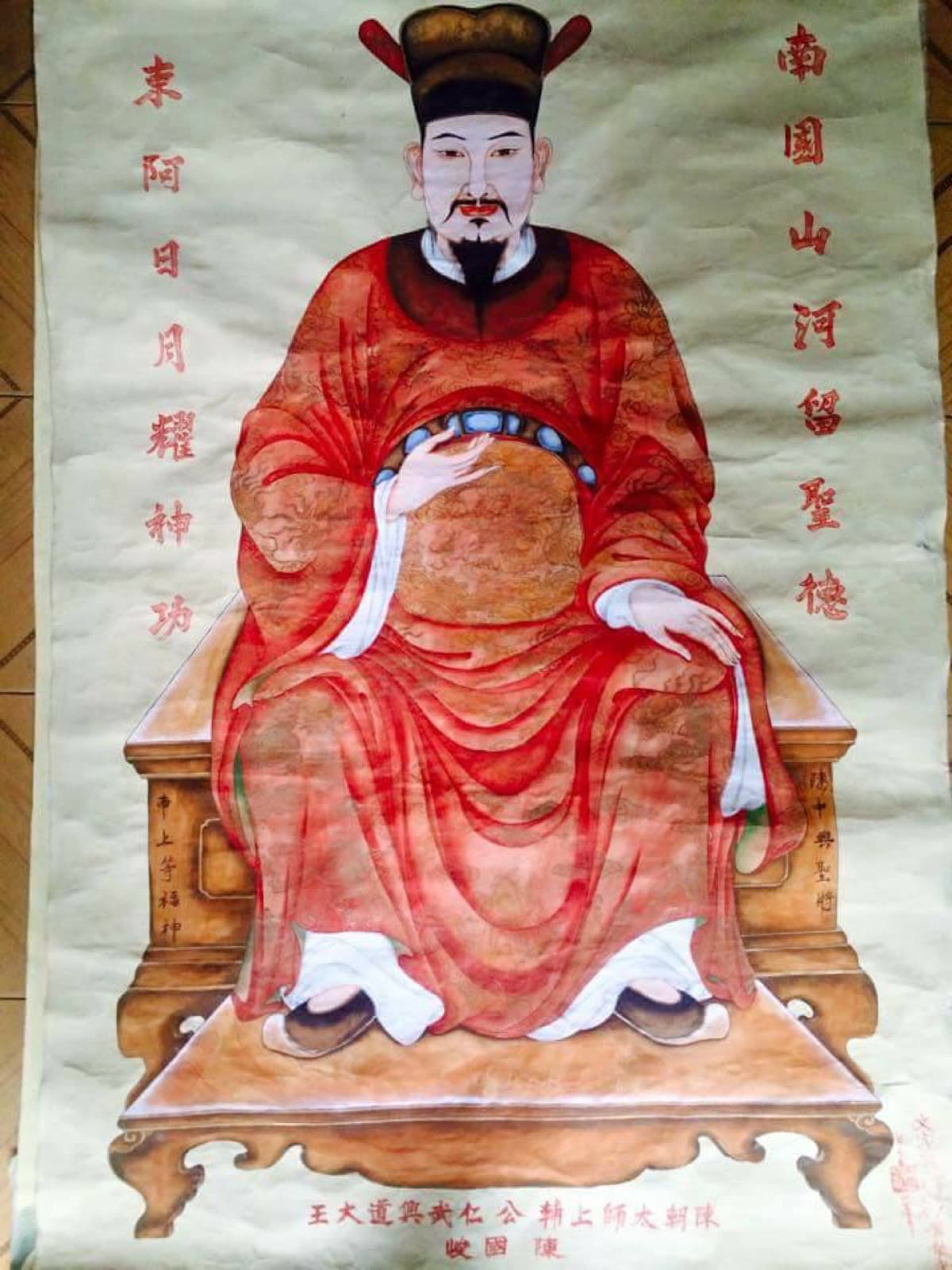
The temple dedicated to King Dinh is built on the site of the old palace, within the Hoa Lu relic complex. Its architecture follows the traditional northern Vietnamese communal house style with multiple gates, courtyards, front hall, and inner sanctum. The main altar features a statue of King Dinh seated on a throne, holding a ceremonial tablet, exuding the dignity of a founding monarch. The temple houses many valuable artifacts, including stone beds, altars, parallel sentences, and intricate wood carvings. During the festival, locals and visitors come to offer incense and pay tribute.
Time, Location, and Scale
The main Hoa Lu Festival lasts three days, from the 9th to the 11th of the third lunar month. Additionally, a separate festival called the Traditional Dong Hoa Lu Festival is held in Gia Hung commune, Gia Vien district (not far from the ancient capital), from the 10th to the 13th of the first lunar month, honoring figures such as King Dinh, Empress Duong Van Nga, and National Master Nguyen Minh Khong. However, the main festival at King Dinh Temple remains the central event, organized at the provincial level, attracting tens of thousands of visitors.
Traditional Rituals
The ceremonial part is conducted with solemnity, including:
- Incense Offering: Delegates and locals reverently offer incense at the temples of King Dinh and King Le.
- Procession of Palanquins: The palanquin of King Dinh is carried from the main temple to the ceremonial ground, accompanied by King Le's palanquin, creating a grand procession with participants in traditional attire.
- Cuu Khuc Ceremony: This ancient ritual expresses reverence to deities and ancestors, performed by elders in traditional costumes.
Festive Activities
After the rituals, the festival becomes lively with various folk games and cultural performances:
- Cờ Lau Military Exercise: Reenacts Dinh Bo Linh's childhood when he herded buffaloes and drilled with reed flags, showcasing the martial spirit and ambition of the young leader.
- Lion Dance, Cheo Singing, Van Singing: Folk art performances entertain the crowd.
- Chinese Chess, Wrestling, Tug of War: Traditional games create a joyful and cohesive atmosphere.
- Cultural Exchange: Art troupes from various localities perform, enriching the community's spiritual life.
Cultural and Spiritual Significance
The festival is not only a time to remember a national hero but also a symbol of national unity and resilience. It is an occasion for younger generations to learn about history and patriotism, and to express gratitude to those who built the country. Additionally, it helps preserve and promote intangible cultural heritage, fostering healthy community activities and boosting local tourism.
Festival and Spiritual Tourism
In recent years, the Hoa Lu Festival and specifically the King Dinh Temple festival have become important spiritual tourism products of Ninh Binh. The events are organized professionally, combined with the restoration of the relic site, creating favorable conditions for pilgrims and tourists. Preserving and promoting this heritage not only has cultural and spiritual significance but also contributes to the province's economic and social development.
Conclusion
The festival of King Dinh Tien Hoang Temple at Hoa Lu Ancient Capital is a typical cultural beauty of the Vietnamese people, reflecting the profound tradition of "remembering the source when drinking water." Through historical ups and downs, the festival has been preserved and promoted, becoming a spiritual rendezvous for millions of Vietnamese. Attending the festival, one not only immerses in a solemn and reverent atmosphere but also gains a deeper understanding of a heroic period of national history, fostering pride and responsibility to preserve the precious cultural values of ancestors.

