


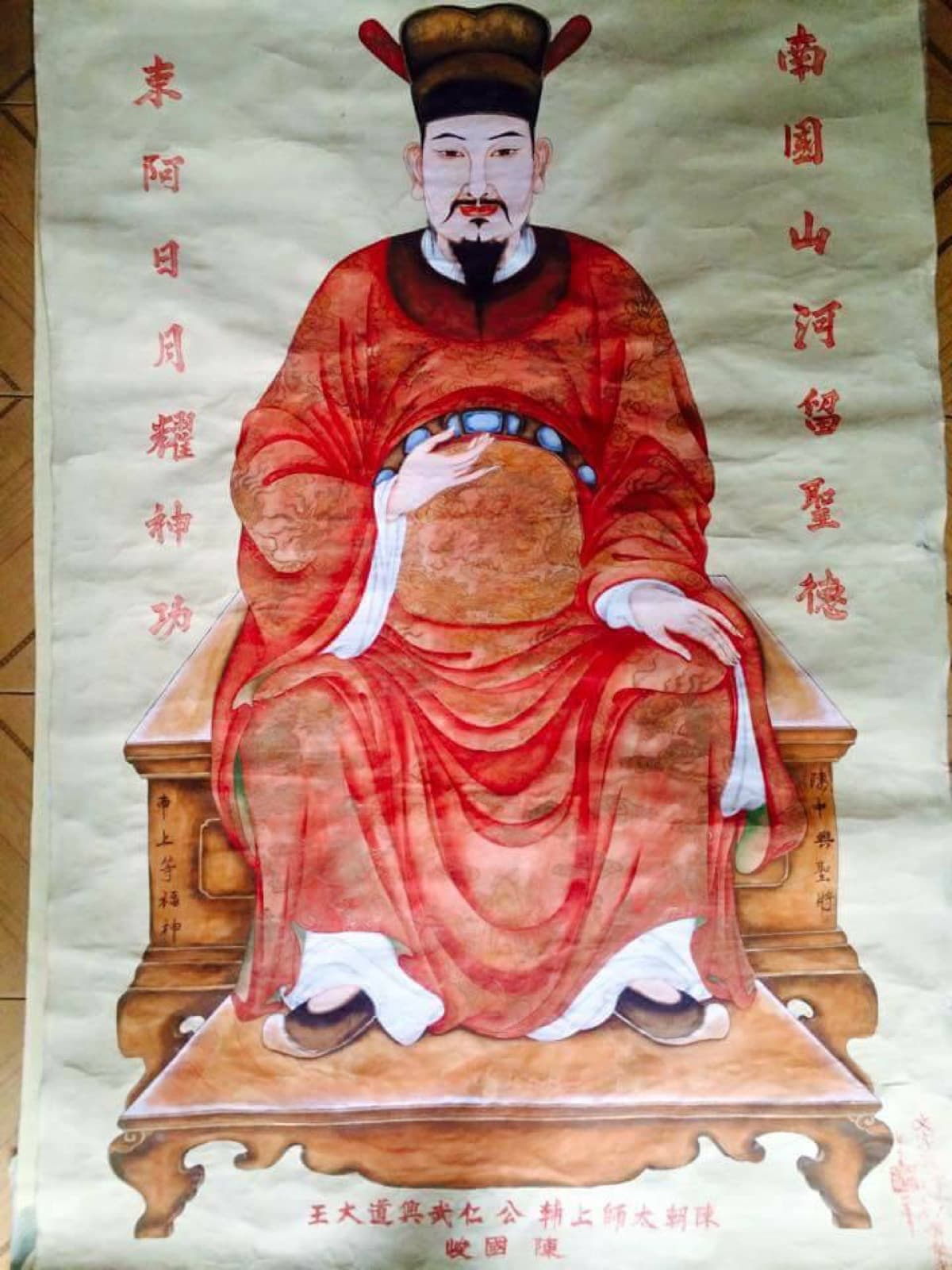
TL;DR: The Kỳ Yên festival at Thoại Ngọc Hầu communal house is an occasion for An Giang people to express gratitude to the mandarin who pioneered land reclamation, dug the Vĩnh Tế Canal, and developed the frontier region. The annual festival features traditional processions, rituals, and unique folk cultural activities.
What Makes the Kỳ Yên Festival at the Thoại Ngọc Hầu Communal Temple in An Giang Special?
The Thoại Ngọc Hầu communal temple stands at Sam Mountain, Núi Sam Ward, Châu Đốc City, An Giang Province, and is one of the most important historical and cultural relics in the Mekong Delta. The temple is not only a place of worship for the renowned official Thoại Ngọc Hầu and his two wives, but also the center for organizing the traditional Kỳ Yên festival, a distinctive cultural and spiritual beauty of the people of the southwestern border region.
Who Was Thoại Ngọc Hầu and What Were His Contributions to the Opening of the Southern Lands?
Thoại Ngọc Hầu, whose real name was Nguyễn Văn Thoại (1761-1829), courtesy name Đạt Phu, title Thoại Ngọc Hầu, was from An Hải village, Diên Phước district, Điện Bàn prefecture, Quảng Nam province (now part of Đà Nẵng City). He was an outstanding military general under the Nguyễn dynasty, with great contributions in guarding and opening the southwestern borderlands.
In 1817, King Gia Long appointed him as the Governor of Vĩnh Thanh citadel (the Châu Đốc area today). In 1818, he commanded the digging of the Vĩnh Tế canal connecting Châu Đốc with Hà Tiên, a crucial irrigation and military project that helped reclaim land, develop production, and strengthen border security. The canal, more than 90 km long, was dug mainly by human labor under extremely arduous conditions, demonstrating the strategic vision and extraordinary will of this renowned official.
After completing the Vĩnh Tế canal, he continued to have the Thoại Hà canal dug to develop trade. Thanks to these great contributions, the king bestowed upon him the name Thoại Ngọc Hầu (a name combining the two canal projects Thoại Hà and Vĩnh Tế, with the character "Ngọc" from the name of Mrs. Châu Thị Tế, his wife). He also had many spiritual works built, including the renovation of Hang Pagoda and the construction of tombs and temples in the Sam Mountain area.
What Is Notable About the Temple's Architecture and Worship Space?
The Thoại Ngọc Hầu communal temple was built in 1826, and though it has undergone several restorations, it still retains the ancient architectural features characteristic of southern Vietnamese village temples. The temple's facade faces southeast, looking out over vast rice fields, with Sam Mountain behind it. The overall architecture includes: the three-entrance gate, the võ ca (where cultural activities take place), the main hall, and the rear hall.
Inside the main hall, the central chamber houses the memorial tablet of Thoại Ngọc Hầu, the left side houses the memorial tablet of Mrs. Châu Thị Tế (his principal wife), and the right side houses the memorial tablet of Mrs. Trương Thị Miện (his secondary wife). The worship of both of his wives reflects a humane cultural tradition, honoring the contributions of the women who accompanied him in the process of opening new lands.
In particular, the temple preserves many precious artifacts, such as: investiture edicts from various Nguyễn kings, the horizontal plaque "Huệ phủ anh phong" (the heroic style of the Huệ prefecture) bestowed by King Thiệu Trị, along with a system of parallel sentences and gilded lacquered panels of high artistic and historical value.
What Are the Rituals and Sequence of the Kỳ Yên Festival?
The Kỳ Yên festival at the Thoại Ngọc Hầu communal temple is held annually from the 14th to the 16th day of the fourth lunar month (the main ceremony day is the 15th day of the fourth lunar month). This is a festival of peace, praying for national prosperity and people's well-being, favorable weather, and bountiful harvests, in keeping with the true spirit of "Kỳ yên" (praying for tranquility).
The 14th day of the fourth lunar month (Welcoming the Spirit and Túc yết Ceremony):
On the first day, the ceremonial board conducts the ritual of welcoming the spirit, carrying the memorial tablets from the inner sanctum to the ceremonial area. In the afternoon, the Túc yết ceremony takes place with rituals of offering incense, offering wine, and reading the prayer for national prosperity and people's well-being. In the evening, the bóng singing troupes and the ceremonial music band perform for the community, creating a lively and bonding atmosphere.
The 15th day of the fourth lunar month (Chánh tế Ceremony):
This is the most important main ceremony day. From early morning, the procession carrying the edicts goes from the temple around the neighboring quarters with full flags and flowers, ceremonial parasols, palanquins, and resounding drums and gongs. After the edict procession returns, the Chánh tế ceremony is conducted solemnly with the following steps: tế cáo (reporting to the deities), nghênh thần (welcoming the deities), offering wine, and reading the prayer. The ceremonial team consists of village elders wearing traditional áo dài and khăn đóng, performing the offering motions according to ancient rituals.
The 16th day of the fourth lunar month (Hồi sắc and Peace-Praying Ceremony):
On the final day, the Hồi sắc ceremony is held to escort the deities back to the inner sanctum. This is followed by a peace-praying ritual for the entire community, combined with a ceremony of offering food to wandering spirits with no place to rely on, expressing the compassion and benevolence of the southern people.
What Is the Cultural and Spiritual Value of the Festival?
The Kỳ Yên festival at the Thoại Ngọc Hầu communal temple carries many layers of profound cultural value. First, it is an occasion for the community to express gratitude to those who contributed to opening, building, and protecting the land. Thoại Ngọc Hầu is not only a historical figure but has become a cultural symbol, a guardian deity of the people of the Châu Đốc region.
Second, the festival helps maintain and pass on intangible cultural values to younger generations: ancient ceremonial rituals, the art of bóng rỗi singing, đờn ca tài tử (southern amateur music), and folk cuisine. This is truly a "living museum" that helps cultural values be preserved through many generations.
Third, the festival creates a space for community bonding. During the festival days, people from everywhere gather, participating together in spiritual activities and cultural exchanges, strengthening neighborly ties. This is especially important in the border region, where community cohesion is the foundation for security, order, and socioeconomic development.
How Should the Heritage Value Be Preserved and Promoted?
The Thoại Ngọc Hầu communal temple was ranked as a National Historical and Cultural Relic by the Ministry of Culture, Sports and Tourism in 1998. The Kỳ Yên festival here is maintained regularly every year, attracting a large number of local people and visitors from afar.
In the context of developing spiritual tourism associated with the Sam Mountain area (one of An Giang's major tourism centers), the preservation and promotion of the festival's value should be carried out in parallel with the protection of the relic's landscape. Attention should be paid to preserving the authenticity of traditional rituals, avoiding commercialization that distorts cultural values.
Educating younger generations about the historical significance of the festival and the figure of Thoại Ngọc Hầu is also an important task. Schools in the area often organize visits for students to learn about the relic and the festival, contributing to nurturing national pride and a sense of responsibility in preserving the cultural heritage of their ancestors.
Conclusion
The Kỳ Yên festival at the Thoại Ngọc Hầu communal temple is not merely an ordinary folk spiritual activity, but also a precious cultural heritage, a place where the historical, cultural, spiritual, and community values of the people of An Giang in particular and the South in general converge. Through maintaining and promoting the festival, the local people not only remember the merits of their predecessors but also affirm their cultural identity in the flow of integration and development of the country.
A summary table of milestones and events associated with Thoại Ngọc Hầu and the Kỳ Yên festival at the communal temple.
| Milestone | Event | Notes |
|---|---|---|
| 1761-1829 | Thoại Ngọc Hầu, whose real name was Nguyễn Văn Thoại, lived | From An Hải village, Diên Phước district, Điện Bàn prefecture, Quảng Nam province |
| 1817 | King Gia Long appointed him as Governor of Vĩnh Thanh citadel | The Châu Đốc area today |
| 1818 | He commanded the digging of the Vĩnh Tế canal | Connecting Châu Đốc with Hà Tiên, more than 90 km long |
| 1826 | The Thoại Ngọc Hầu communal temple was built | Has undergone several restorations |
| 1998 | The temple was ranked as a National Historical and Cultural Relic | Ranked by the Ministry of Culture, Sports and Tourism |
| The 14th day of the fourth lunar month | Welcoming the Spirit and Túc yết Ceremony | In the evening, bóng singing troupes and the ceremonial music band perform |
| The 15th day of the fourth lunar month | Chánh tế Ceremony | Main ceremony day, with edict procession and Chánh tế rituals |
| The 16th day of the fourth lunar month | Hồi sắc and Peace-Praying Ceremony | Combined with a ceremony of offering food to wandering spirits |


