Introduction to the MBTI Test and the ESTP Personality Type
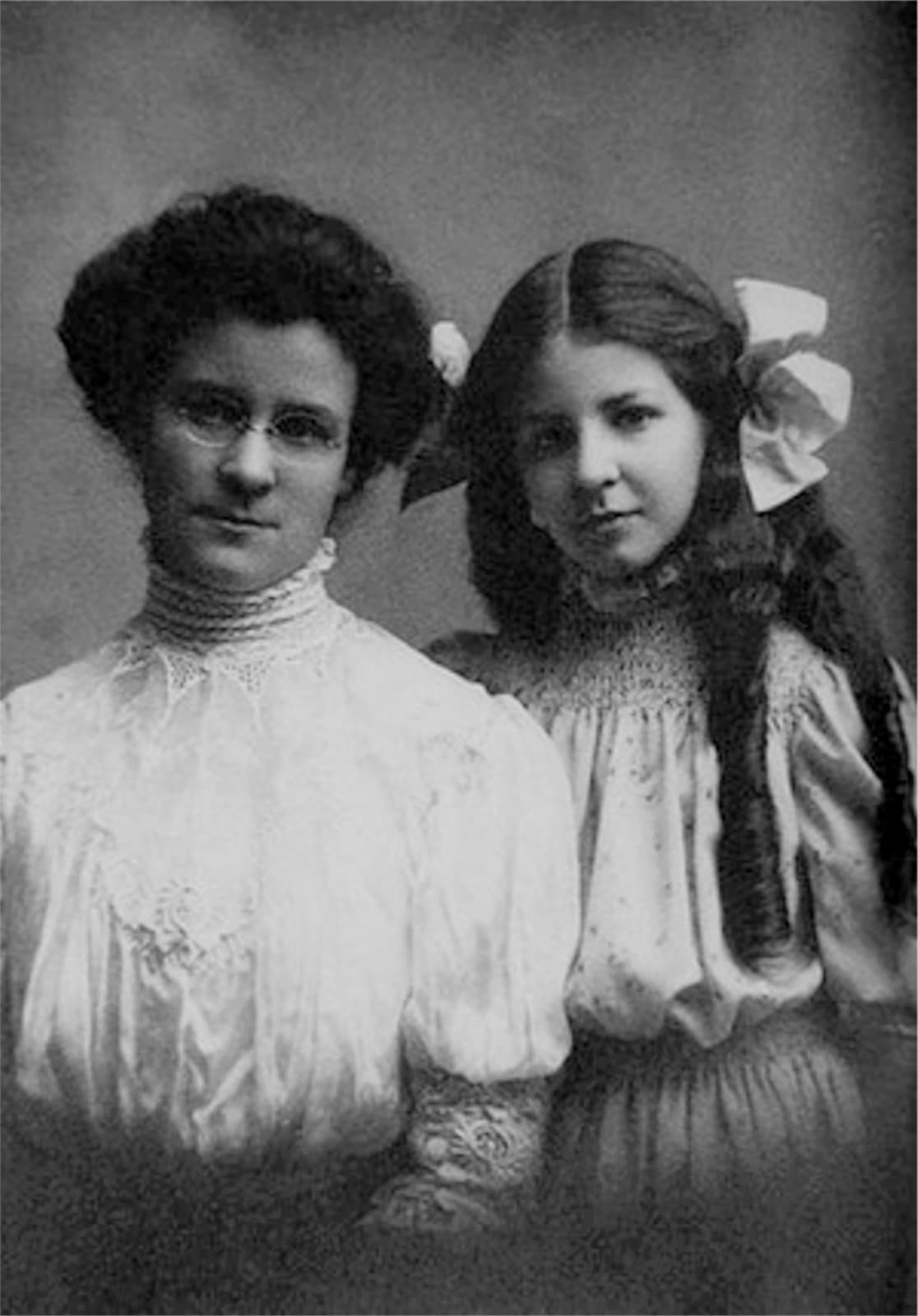
The MBTI (Myers-Briggs Type Indicator) test is one of the most popular personality assessment tools in the world today. Rooted in the classification theory of the book "Psychological Types" by Swiss psychiatrist Carl Gustav Jung, MBTI was researched from 1917 and published in 1921. Later, this method was further developed by Katharine Cook Briggs and her daughter, Isabel Briggs Myers, from around World War II. This test classifies people into one of 16 personality types based on four opposing index pairs: Extraversion (E) or Introversion (I), Sensing (S) or Intuition (N), Thinking (T) or Feeling (F), and Judging (J) or Perceiving (P).
ESTP is one of those 16 personality types, standing for Extraversion, Sensing, Thinking, and Perceiving. In many popular Vietnamese materials, ESTP is often called "The Doer" or "The Entrepreneur." This is a fairly common personality type, accounting for about 4-10% of the population, known for abundant energy, practical sharpness, and the ability to act quickly.
The Four Pillars of the ESTP Personality
To understand ESTP, we need to analyze each letter in this personality code, as each letter represents a natural tendency in their thinking and reacting styles.
E (Extraversion)
People with the ESTP type have a clear extraverted tendency. They draw energy from interacting with the outside world, meeting and connecting with people. ESTPs are often the center of conversations, enjoy group activities, like hands-on experiences, and are not afraid to step out of their comfort zone. If they have to work alone for long periods, they easily feel bored and lose motivation. Conversely, a crowded, lively environment is an endless source of energy that helps ESTPs maximize their abilities.
S (Sensing)
The S indicates that ESTPs are sensing-oriented, meaning they take in information through their five senses directly and concretely. They focus on what is happening in the present, paying attention to practical details rather than abstract ideas or distant visions. ESTPs dislike idle theory; they trust what they can see, hear, and verify. This makes them sharp observers, quickly noticing small changes in their surroundings, a great advantage in situations requiring quick reactions.
T (Thinking)
When making decisions, ESTPs use logic (Thinking) as their guide. They evaluate situations based on logic, objective data, and cause-and-effect principles rather than personal emotions or subjective values. This helps them stay calm and clear-headed in stressful or crisis situations. ESTPs can make tough decisions without being overly influenced by hesitation or emotional pressure. However, this trait can sometimes make them seem insensitive or lacking tact in communication if not handled carefully.
P (Perceiving)
The final letter, P, reflects ESTPs' flexible, quick-adapting lifestyle. They dislike being bound by rigid plans or detailed schedules. Instead, ESTPs prefer to live in the moment, seize opportunities as they arise, and are ready to change direction at any time. They are comfortable with ambiguity and do not need everything to be perfectly arranged before taking action. This flexibility allows ESTPs to handle unexpected situations well, turning them into opportunities rather than obstacles.
Outstanding Strengths of ESTP
Quick and Decisive Action Ability
The most distinctive strength of ESTPs is their ability to act immediately. They do not spend too much time analyzing, deliberating, or worrying about potential risks. When a problem arises, ESTPs immediately find a direct solution based on what they observe and feel at that moment. This decisiveness makes them excellent crisis handlers, always the first to act rather than standing by and waiting.
Practical and Sharp Thinking
ESTPs have excellent observation and detail retention skills. They quickly grasp processes, how machines, tools, or game rules work. At work, they always find the most practical solutions, saving time and effort. They are not swayed by complex theories or distant visions but focus on achieving concrete, measurable results right in front of them.
Excellent Communication and Persuasion Skills
With natural extraversion and the ability to read people, ESTPs are talented communicators. They know how to build relationships quickly, making others feel comfortable and trusted. They are articulate, adapt flexibly in any conversation, and can persuade others effectively. Therefore, they often succeed in roles like negotiation, sales, or team leadership.
High Flexibility and Adaptability
ESTPs are among the best at adapting. They do not mind change; in fact, they find new challenges exciting. If an initial plan fails, they quickly adjust and find another path without feeling too disappointed or confused. This flexibility helps them thrive in volatile work environments that require creativity and quick improvisation.
Weaknesses and Challenges to Overcome
Easily Bored and Impatient
Although flexibility is a strength, it also has a downside: ESTPs easily get bored with repetitive tasks or those requiring meticulousness and persistence over long periods. They tend to start many projects but struggle to finish those that require endurance. This impatience can cause them to give up early before achieving the best results.
May Lack Sensitivity in Relationships
Because they lean toward Thinking (T) rather than Feeling (F), ESTPs can sometimes inadvertently hurt others with blunt, tactless words. They tend to solve problems logically and dryly, potentially not understanding the emotional needs of those around them. If they do not learn to listen and empathize, they may struggle to build deep, lasting relationships.
Little Consideration for Long-Term Consequences
Being too focused on the present and acting impulsively sometimes leads ESTPs to make decisions without considering long-term consequences. They may overspend, overindulge in fun, or take unnecessary risks without foreseeing negative impacts later. Learning to plan and think further ahead is an important lesson ESTPs need to practice.
Suitable Career Directions for ESTP
Based on their prominent personality traits, ESTPs usually perform best in dynamic, practical, and competitive work environments. They need a job that allows them to act, interact with people, and offers tangible rewards for their efforts. Below are some career groups considered highly suitable for this personality type:
Business, Entrepreneurship, and Sales
This is considered the field where ESTPs can shine the brightest. Their ability to observe the market, seize opportunities, negotiate, and persuade customers are their powerful weapons. They are not afraid of risk, adapt quickly to market changes, and can make sound business decisions at critical moments. Many ESTPs succeed as business owners, sales managers, sales specialists, or real estate brokers.
Sports and Adventure Entertainment
With good physical condition, quick reflexes, and a high competitive spirit, many ESTPs are drawn to sports. They can become professional athletes, fitness trainers, or participate in adventure activities like climbing, diving, or racing. These jobs not only leverage their physical advantages but also provide excitement, challenge conquest, and avoid being confined to cramped spaces.
Applied Engineering and Mechanics
Their dexterity and practical thinking make ESTPs skilled engineers or technicians in fields requiring machine operation and equipment repair. They enjoy working with concrete tools and seeing finished products. Fields like mechanics, electronics, construction, or stage, sound, and lighting technician roles can be excellent choices where they can unleash creativity and handle technical issues quickly.
Service, Tourism, and Media Fields
With outstanding communication skills and an understanding of human psychology, ESTPs also excel in service, tourism, restaurant, and hotel industries. They know how to satisfy customers, handle complaints tactfully, and provide great experiences. Additionally, they may fit roles in media, event organization, or field reporting, which require quickness, practicality, and independent work.
ESTP in Work and Relationships
Work Style
In the workplace, ESTPs are results-oriented. They like clear goals, specific challenges, and measurable outcomes. They dislike lengthy, pointless meetings or cumbersome administrative procedures. ESTPs work best when given autonomy and space to be creative. They are cheerful, lively colleagues, always ready to help, but can become impatient with slow or overly rule-bound coworkers.
In Relationships
ESTPs are fun, energetic friends. They easily make friends and bring joy to those around them. In love, they are romantic in a practical way, preferring dynamic dates and exploring new things. However, they may struggle to express deep emotions and tend to avoid serious emotional conversations. To build a lasting relationship, ESTPs need to learn to listen and understand their partner's emotional needs.
Conclusion: Using MBTI as a Reference Tool
The ESTP personality type carries a powerful energy for action, confidence, and excellent adaptability. They are people of the present, always enjoying life and not afraid to face challenges. If you belong to this type, cherish your strengths and continuously practice to overcome weaknesses like impatience or insensitivity.
However, remember that MBTI is only a useful reference tool for self-understanding, not a "destiny chart" that determines one's entire life or abilities. Studies also show that test results can change over time, and it does not accurately predict a person's success at work. So use MBTI as a mirror for reflection, then make career and personal development choices wisely, flexibly, and most suited to your actual circumstances.