Introduction to MBTI and the Origins of INTJ
MBTI (Myers-Briggs Type Indicator) is one of the most popular personality assessment tools today, especially favored by young Vietnamese people. This system originates from the psychological type theory of Swiss psychiatrist Carl Gustav Jung, presented in his book "Psychological Types" published in 1921.
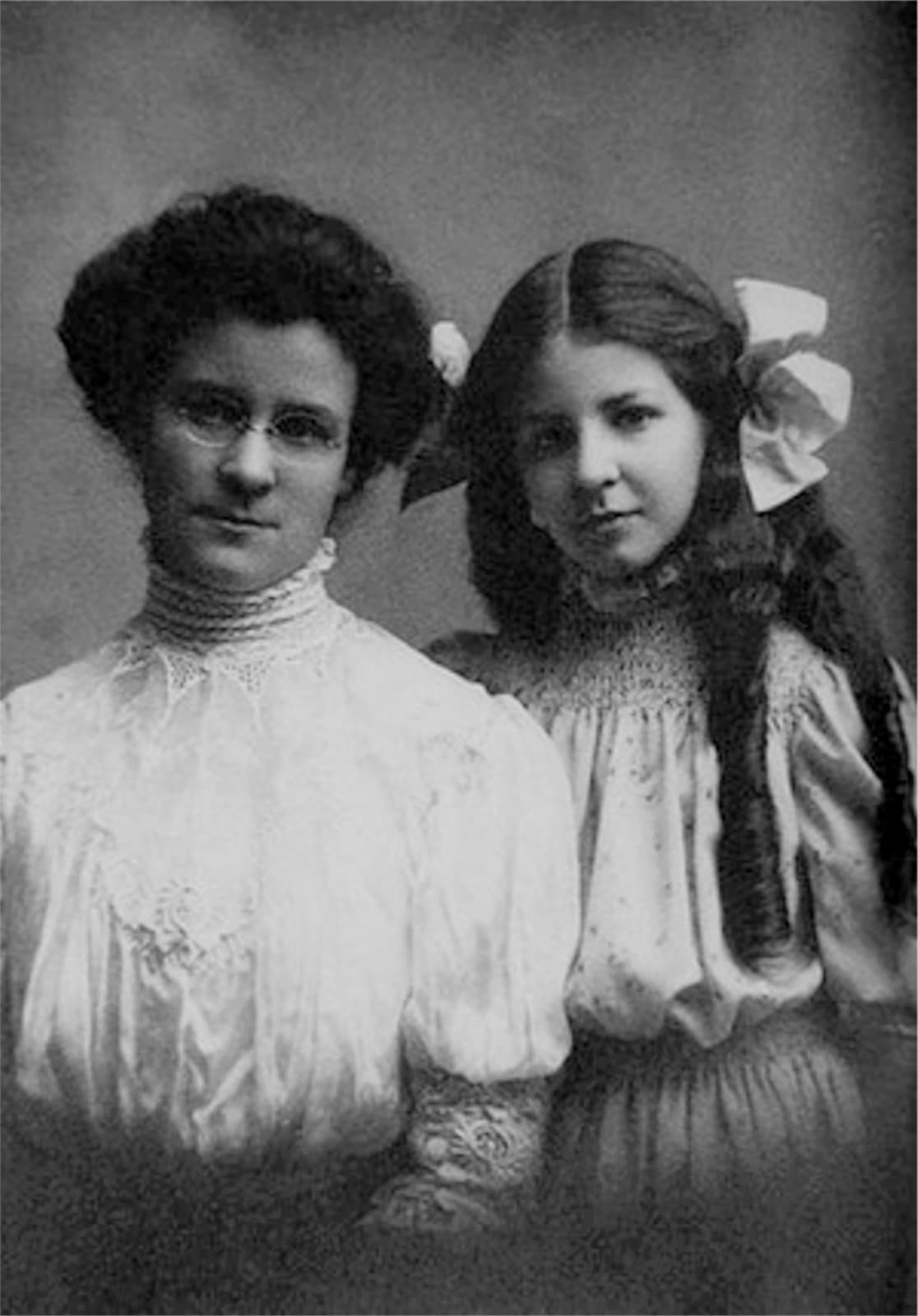
Later, Katharine Cook Briggs and her daughter Isabel Briggs Myers developed and refined this theory into a questionnaire starting around World War II. The test categorizes people into 16 different personality types based on 4 opposing preference pairs:
- Energy source: Extraversion (E) or Introversion (I)
- Information processing: Sensing (S) or Intuition (N)
- Decision-making: Thinking (T) or Feeling (F)
- Lifestyle: Judging (J) or Perceiving (P)
INTJ stands for Introversion, iNtuition, Thinking, Judging. This personality type is also known as "The Strategist" or "The Scientist," making up about 2% of the world's population.
Identifying Characteristics of INTJs
Deep Inner World and Independent Thinking
INTJs live primarily in their own inner world. They do not have a high need for broad social relationships; instead, they spend time observing, analyzing, and reflecting on abstract ideas. This introversion does not mean they are shy or lack social skills, but rather they prioritize energy for internal thoughts over external activities.
Keen Intuition and Strategic Vision
The biggest difference between INTJs and other personality types lies in the N (iNtuition). They do not just look at the present but always look toward the future, imagining possibilities and complex patterns that others find hard to see. INTJs can connect seemingly disparate events and data into a meaningful whole picture, thereby building effective long-term strategies.
Logical Decision-Making
The T (Thinking) reflects how INTJs approach problems logically and objectively. They question the rationality of everything, analyzing data before reaching conclusions. Emotions are not the primary factor driving their decisions, though this does not mean INTJs lack feelings; they choose to control emotions and not let them override reason.
Principles and Clear Plans
The J (Judging) shows that INTJs are organized people who prefer things to be arranged in a certain order. They make detailed plans, set specific goals, and persistently pursue them. Uncertainty or chaos makes them uncomfortable, so they always seek to control their environment.
Strengths and Weaknesses of INTJ
Notable Strengths
- Strategic thinking: INTJs see the big picture, always having contingency plans for any situation.
- Sharp analytical skills: They approach problems scientifically, setting aside emotions to find optimal solutions.
- High independence: INTJs are confident in their abilities, not swayed by crowd pressure.
- Goal commitment: Once they set a goal, they dedicate themselves fully to achieving it.
- Love of learning: INTJs constantly seek new knowledge to improve themselves and the systems around them.
Weaknesses to Address
- Aloof and cold: Their direct, task-focused communication style can make others misread them as insensitive.
- Excessive perfectionism: Their high standards sometimes make them dissatisfied with good results that do not reach absolute perfection.
- Difficulty accepting opposing views: Once convinced of their analysis, INTJs rarely change their viewpoint.
- Impatience with slow understanding: They easily get frustrated when explaining what they consider obvious.
INTJ in Work and Relationships
Typical Work Style
INTJs are excellent independent workers. They dislike micromanagement and tend to perform best when given autonomy. In the workplace, INTJs often take on foundational thinking roles, building systems and improving processes. They set high standards for themselves and expect similar professionalism from colleagues.
In meetings, INTJs speak little, but when they do speak, their opinions are often profound and valuable. They dislike meaningless small talk and prefer to get straight to the point.
Social and Romantic Relationships
INTJs have a small but extremely high-quality circle of friends. They value sincerity and intellect over the number of relationships. In love, INTJs are loyal and serious, viewing relationships as long-term projects that need investment and growth. However, expressing emotions is not their strength, which can create distance with partners if not understood.
Suitable Career Directions for INTJ
Thanks to their logical thinking, strategic vision, and persistence, INTJs shine in fields requiring intellect and complexity. Some typical career groups:
Science and Technology
- Scientific researcher, data analyst
- Software engineer, systems architect, AI specialist
- Cybersecurity expert, computer scientist
Business and Finance
- Strategy director, financial analyst
- Management consultant, policy planner
- CEO, startup founder
Highly Specialized Fields
- Architect, civil engineer
- Lawyer, judge
- Research physician, public health expert
- University lecturer, economist
Critical Perspective on MBTI
Despite its popularity, MBTI still faces controversy over its scientific validity. According to Merve Emre, author of "The Personality Brokers," neither Katharine Briggs nor Isabel Myers had formal training in psychology. Their research process is considered "unscientific" because it relied heavily on personal observation.
Research also shows that up to 50% of people get a different result when retaking the test just 5 weeks later. This raises questions about the tool's reliability. However, MBTI remains widely used by 89 companies in the Fortune 100 and about 2 million people take the test each year.
The appeal of MBTI lies in its "non-judgmental" nature, where all results are presented positively. This helps users feel understood and gain more self-confidence.
Conclusion
INTJ is a special personality type with superior strategic thinking, sharp analytical skills, and long-term vision. Understanding this type not only helps INTJs recognize their strengths but also become aware of weaknesses to improve in communication and collaboration.
However, MBTI should be viewed as a useful reference tool for self-understanding, not an absolute mold. Each person is a unique individual, not to be limited by four letters. The most important thing is to use these insights to develop oneself and build better relationships with those around us.