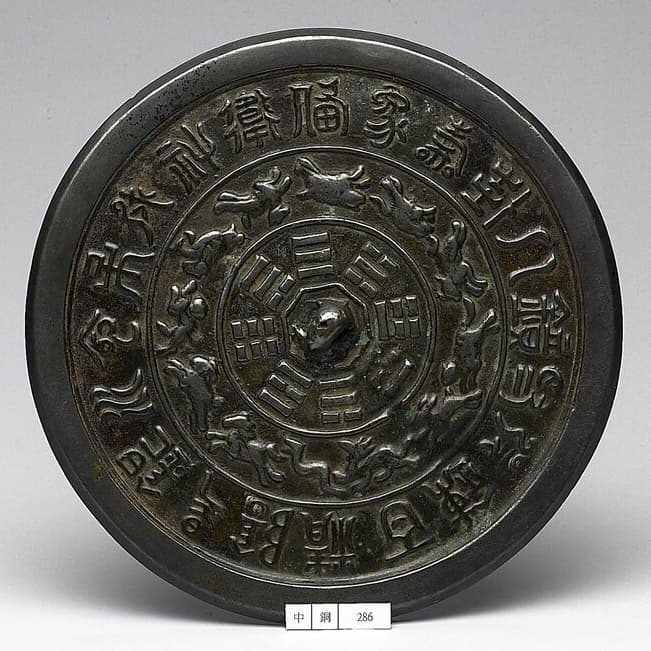
Introduction to the Heavenly Stems and Ji's Position
The system of Heavenly Stems consists of 10 units: Jia, Yi, Bing, Ding, Wu, Ji, Geng, Xin, Ren, Gui. They combine with Earthly Branches to form the 60-year cycle and are used in the I Ching, astrology, and Eastern numerology to represent time, space, and energy.
Ji is the 6th stem, following Wu and preceding Geng. In the Yin-Yang system, the Yang stems are Jia, Bing, Wu, Geng, Ren; the Yin stems are Yi, Ding, Ji, Xin, Gui. Thus, Ji belongs to the Earth element and has Yin nature, commonly called Yin Earth.
Yin-Yang Characteristics of Ji
Yin Earth: Differences from Wu Yang Earth
In the Five Elements, Earth has two forms: Wu is Yang Earth, Ji is Yin Earth. Wu Earth represents mountains, dikes, and solid protection. In contrast, Ji Earth symbolizes fertile fields, gardens, and arable land. It carries soft, fertile, and nurturing qualities.
Ji Earth is soft earth, capable of absorbing, transforming, and accommodating. In the I Ching, it relates to the concept of Kun (☷), the mother earth, representing submission and tolerance. If Wu Earth is like a solid mountain, Ji Earth is like a fertile field, always ready to receive seeds and flourish.
Notable traits of people with Stem Ji
According to folk beliefs and divination schools, people with the Heavenly Stem Ji often possess:
- Loyalty and honesty: due to Earth influence, they value sincerity and stability.
- Patience and diligence: like soil, they have endurance and good tolerance.
- Tolerance and adaptability: the Yin nature makes them flexible in communication, avoiding conflict.
- Introspection: they tend to think deeply and rarely show emotions outwardly.
However, a weakness of Ji Earth is passivity, indecisiveness, and sometimes being too gentle or overly anxious. Understanding these traits helps people with Stem Ji adjust themselves to maximize strengths and overcome weaknesses.
Ji in Five Elements Relationships
Generating and Controlling Relationships
In the Five Elements generating cycle, Earth generates Metal, Fire generates Earth. Thus, Ji Earth has these relations:
| Element | Relation to Ji Earth | Meaning |
|---|---|---|
| Fire | Fire generates Earth | Fire (especially Yin Ding Fire) creates nurturing energy for Ji, making it warmer and more flexible. |
| Metal | Earth generates Metal | Ji Earth nourishes Metal, helping Metal (Geng, Xin) have a foundation to develop. |
| Water | Earth controls Water | Ji Earth can block and control Water, symbolizing using wisdom to manage emotions. |
| Wood | Wood controls Earth | Wood (especially Yin Yi Wood) can penetrate and weaken Ji Earth, causing instability. |
Ji Combining with Other Stems
In BaZi or I Ching applications, combinations of Ji with other stems have specific meanings:
- Ji with Jia: Jia is Yang Wood, representing big trees. Trees need soil, but roots can also loosen earth. This combination shows a mutually supportive relationship.
- Ji with Bing: Bing Yang Fire shines and warms the earth. This is a good combination, helping Ji Earth flourish.
- Ji with Geng: Geng is Yang Metal, Earth generates Metal. Ji is like a mother giving birth to Metal, but too much Metal can exhaust Earth.
- Ji with Gui: Gui is Yin Water, Earth controls Water. This relationship requires balance; if Earth is weak, Water can counter-control it.
Combination and Transformation of Ji
According to the theory of Stem combination, Ji tends to combine with Jia to transform into Earth. This means when Jia and Ji meet, they can transform energy into Earth, strengthening the Earth element in a chart.
Ji's Role in the I Ching
Connection with the Kun Hexagram
In the I Ching, Yin Earth is often associated with the Kun hexagram (Earth), symbolizing mother earth, submission, and nourishment. The line statements of Kun emphasize the virtues of the noble person: tolerance, humility, and endurance, reflecting Ji Earth's characteristics.
Ji in Time and Direction Determination
The Heavenly Stems are used to assign time and directions. Ji is often assigned to the center (since Earth belongs to the central palace) and transitional periods between seasons. This shows Ji's role as a regulator and bridge between seasons and elements.
Applications of Ji in Divination and Astrology
In Zi Wei and BaZi
In Zi Wei, Heavenly Stems are used to place stars and determine palace positions. Stem Ji is used to place stars like Zuo Fu and You Bi (depending on birth year) and influences the chart structure. In BaZi, Ji appearing in the Day Pillar indicates the person's character and destiny.
In Choosing Auspicious Dates and Times
When selecting auspicious days, people rely on Heavenly Stems to determine suitable activities. Days with Stem Ji are often considered good for activities related to land, agriculture, construction, and repairs, as Ji is Earth that nurtures.
In Feng Shui
In Feng Shui, Ji Earth can be represented by earth yellow and brown colors. Favorable directions for people with Ji Earth destiny are often South (Fire generates Earth) or Southwest (Earth's native direction). However, a comprehensive BaZi analysis is needed for accurate conclusions.
Conclusion
The Heavenly Stem Ji, with its Yin Earth nature, plays an important role in the I Ching system and Eastern numerology. Understanding Ji's characteristics helps recognize hidden qualities and interactions with other elements, enabling applications in chart analysis, time selection, and Feng Shui orientation. While one should not overly rely on these factors, exploring them offers fascinating insights into Eastern culture and philosophy.


