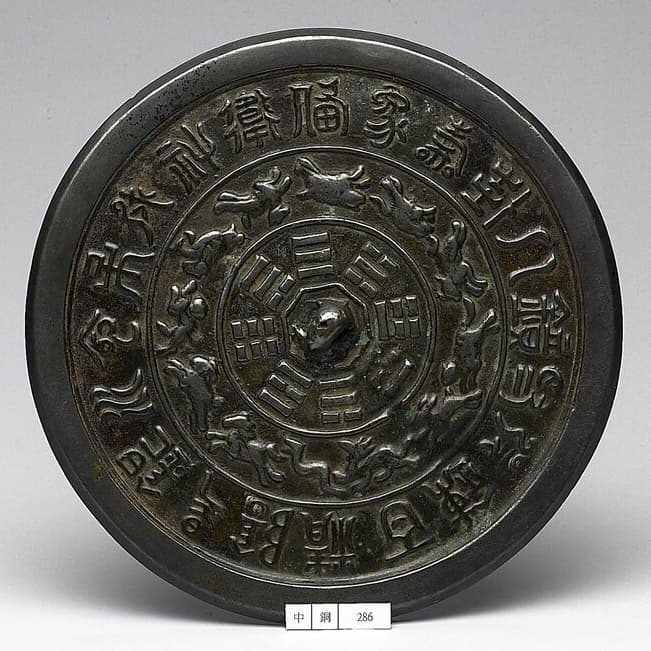
Introduction to the Heavenly Stem Gui
In the Heavenly Stems system, Gui (癸) is the 10th and final position, following Ren (壬). While Ren is Yang Water, representing oceans and great rivers, Gui is Yin Water, symbolizing drizzle, mist, and underground springs. In the I Ching, Gui embodies the principle of yielding yin, following nature, yet containing a tenacious vitality within.
Yin-Yang and Five Elements Attributes
Yin Water: Core Characteristics
Gui belongs to the Water element and carries the Yin nature. Yin Water manifests as:
- Still water: ponds, dew drops, underground streams.
- Softness and adaptability: bending to terrain, avoiding direct confrontation.
- Hidden life: seeds sprouting in moist soil, quiet beginnings.
In the I Ching, Gui corresponds to the Kan hexagram (坎), symbolizing water in its dangerous, deep form. However, Kan also represents wisdom, caution, and the ability to overcome obstacles.
Direction and Time
- North: Gui belongs to the North, along with Ren. In the Later Heaven Bagua, the North corresponds to Kan.
- Winter: Water is strongest in winter, a time when all things withdraw and yin energy peaks.
- Gui hour: from 11 PM to 1 AM, the peak of yin before yang arises.
Gui in the I Ching: Symbolic Meaning
Following the Way of Heaven
The I Ching emphasizes the constant transformation of yin and yang. Gui is extreme yin, the last of the Heavenly Stems, signaling the end of a cycle and preparation for a new beginning (Jia). This reflects the philosophy of "things reverse at their extreme."
The Essence of Softness with Resilience
The I Ching values gentleness without weakness. Gui embodies this through:
- Water wearing away stone: the persistent strength of Yin Water.
- Adaptability: like water flowing into low places, Gui finds ways to survive and thrive in any environment.
- Inner wisdom: in the Kan hexagram, line texts stress maintaining sincerity and cultivating virtue to overcome danger.
Role of Gui in Zi Wei and BaZi
In Four Pillars (BaZi)
Gui is one of the 10 Heavenly Stems used to determine birth day and hour. People with Gui day often have traits:
- Quiet, introspective.
- Emotionally deep, good intuition.
- Tactful in communication, good listeners.
- Tend to prefer security, not reckless.
In Zi Wei
Gui does not appear directly as a star but influences star placement via month and hour. Those with Gui stem often have a Water-leaning destiny, prone to emotional fluctuations and careers in communication or arts.
Gui and Five Elements Interactions
Generating and Controlling Cycles
- Water generates Wood: Gui nourishes life, aiding growth. In the I Ching, this represents prosperity from the small.
- Metal generates Water: Metal condenses water vapor, so Gui needs Metal support to be stronger.
- Earth controls Water: Earth can block water flow, symbolizing obstacles Gui may face.
- Water controls Fire: Water extinguishes fire, showing Gui's ability to manage impulsive forces.
When Gui Meets Other Stems
- Gui with Jia: Jia Wood is nourished by Gui Water, creating sustainable growth.
- Gui with Bing: Bing Fire is controlled by Gui Water; conflict may arise without balance.
- Gui with Wu: Wu Earth controls Gui Water; Metal is needed to mediate.
Gui in I Ching Hexagrams
Hexagram Kan (坎)
Kan consists of two yin lines surrounding one yang line, symbolizing water in a pit, repeated danger. In relation to Gui:
- Caution, avoiding hasty actions.
- Enduring perseverance through hardship.
- Reminder to keep a calm mind and cultivate inner virtue.
Hexagram Song (讼) and Conflict
When Gui meets conflicting elements, it may lead to Song (litigation, dispute). This advises Gui people to avoid direct confrontation, using softness to resolve conflicts.
Practical Applications of Understanding Gui
In Daily Life
- Career choices: Gui people suit fields involving water, communication, arts, research (due to their quiet, deep nature).
- Home feng shui: The North (Gui's direction) is suitable for placing fish tanks or water landscapes to enhance Water energy, but balance is needed.
- Health: Yin Water relates to kidneys, bladder, ears. Gui people should keep warm in winter, avoid cold.
In Spiritual Practice
The I Ching teaches that understanding one's nature helps live in harmony with the Dao. Gui reminds us of the value of stillness, introspection, and the power of water when flowing with least resistance.
Conclusion
The Heavenly Stem Gui is not just an abstract symbol but a profound representation of the Yin-Yang and Five Elements philosophy in the I Ching. Understanding Gui helps us appreciate the beauty of gentleness, the power of adaptability, and the importance of nurturing inner life. Whether in divination, astrology, or daily life, grasping Gui's nature opens deep insights for living in accordance with nature.


