


What is Dương Nhận?
Dương Nhận (陽刃, also written 羊刃) is a shen sha in Bát Tự Tứ Trụ, located in the earthly branch immediately after the Nhật Chủ's Lộc, indicating fierceness, conflict, and latent danger. Vạn Dân Anh's Tam Mệnh Thông Hội records two spellings of this name and two directions of interpretation: nhận is a fierce sha when encountered in the hour and in tuế vận, but it may also not cause harm when the day stem has no qi. It is necessary to distinguish the Dương Nhận of Bát Tự from the Kình Dương star of Tử Vi.
Also called: Dương Nhận Cách (Yang Blade structure) · Sword Ram · Dương Nhận (Yang Blade)
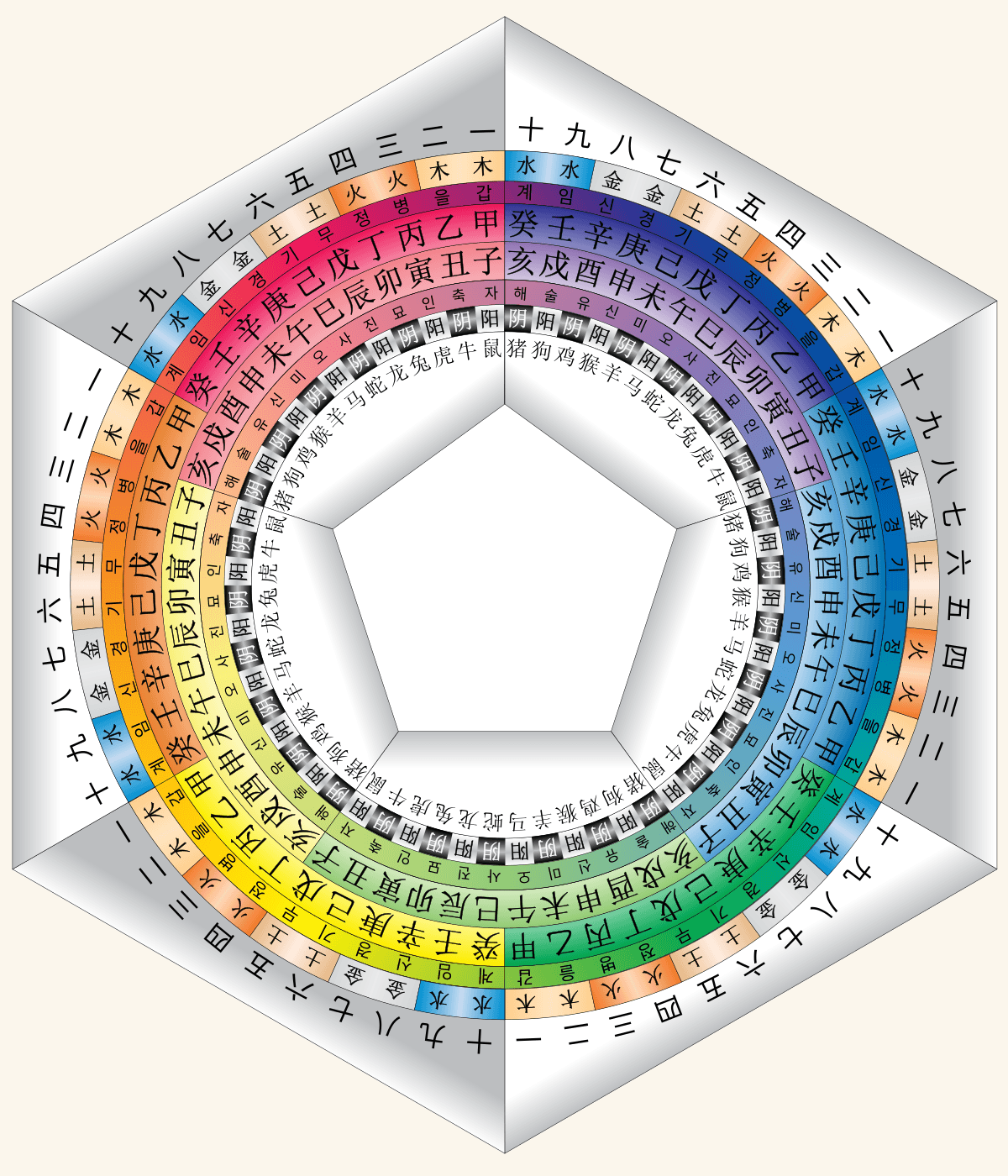
What is Dương Nhận?
Dương Nhận (陽刃) is an important deity of affliction in Bát Tự Tứ Trụ (BaZi, the Four Pillars system). In the Four Pillars system, Dương Nhận appears when the earthly branch of the day, month, hour or year pillar matches the Dương Nhận position of the Day Master (the heavenly stem of the day pillar), that is, the branch immediately following Lộc. When this Nhận sits right at the month command, that structure is called the Dương Nhận structure.
What is the origin of Dương Nhận and how is it determined?
The concept of Dương Nhận is tied to the theory of the Five Elements and Yin and Yang in ancient Eastern philosophy. Tam Mệnh Thông Hội by Vạn Dân Anh (Ming dynasty), volume 3, section Luận Dương Nhận (written 羊刃), explains that "when Lộc is passed, Nhận is born", meaning that once Lộc has passed, Dương Nhận comes into being, and that Dương Nhận "is usually one position ahead of Lộc". The same volume lists the position of peak strength for each stem: Giáp at Mão, Ất at Thìn, Bính at Ngọ, Đinh at Mùi, Canh at Dậu, Tân at Tuất, Nhâm at Tý.
Also in Tam Mệnh Thông Hội, volume 6, section Luận Dương Nhận (written 陽刃), the book cites the Tử Bình school's saying: "only the five yang stems Giáp, Bính, Mậu, Canh, Nhâm have Nhận; the five yin stems have no Nhận", hence the name dương nhận, with dương meaning the yang of yin and yang. This is the basis for the "Yang stems only" column in the table below.
The book records two ways of writing the name of this deity of affliction. One way is 羊刃, and the book cites the explanation "dương means firm, nhận carries the meaning of cutting". Another way is 陽刃, that is, the dương of yin and yang. The two writings refer to the same deity of affliction.
According to the Twelve Stages of Life cycle, Lộc is the Lâm Quan stage, and the branch immediately following Lộc, that is, the Đế Vượng stage, is also taken as Dương Nhận by many schools. For example, Giáp (yang Wood) has its Lộc at Dần, so its Dương Nhận is at Mão. The branch directly opposing Dương Nhận (for Giáp, that is Dậu) is Phi Nhận, a different deity of affliction, not Dương Nhận. For yin stems the schools do not agree, and the table below records all three methods of calculation.
What does Dương Nhận mean in Bát Tự?
Dương Nhận is generally regarded as a deity of affliction with a fierce, forceful character, governing decisiveness, conflict and pressure. When Dương Nhận appears in the Four Pillars, it can indicate a strong personality and a preference for action, but it can also easily lead to disputes, accidents or gossip. However, if it is controlled and transformed, or accompanied by auspicious stars, Dương Nhận can be converted into extraordinary willpower, leadership ability and the capacity to protect oneself from danger.
How is Dương Nhận distinguished from Kình Dương?
In Tử Vi Đẩu Số (Vietnamese astrology), Kình Dương is a star in the group of Six Malefic Stars, of the Fire element, representing hot temper and peril. Although their names sound close, Dương Nhận in Bát Tự and Kình Dương in Tử Vi are two concepts belonging to two different systems. Dương Nhận is based on the stem and branch relationships of the Four Pillars, while Kình Dương is a fixed star in the Tử Vi chart. Students need to distinguish them clearly to avoid confusion when interpreting.
What should be kept in mind when using Dương Nhận?
Dương Nhận is part of traditional knowledge in divination and the occult arts, and is for reference. Conclusions drawn from Dương Nhận have not been verified by science and should not be used to replace important decisions in life.
How do the different schools understand it?
- Nhận as a malefic affliction: Tam Mệnh Thông Hội, volume 6, says "kiếp tài and dương nhận, strongly to be avoided when met at the hour; if the year and luck cycles arrive together, disaster comes at once". In this direction, Dương Nhận governs calamity, conflict and loss, so those with Dương Nhận in their Four Pillars are advised to be especially cautious in relationships and work.
- Nhận may do no harm: also in Tam Mệnh Thông Hội, volume 6, the book says "when the day stem has no energy, meeting dương nhận at the hour does no harm", because Nhận helps to carry wealth and combine with the killing force. In this direction, Dương Nhận is not only a malefic affliction but can also be a support for strong will and the capacity for breakthrough, depending on the dynamics of the whole chart.
- A combined understanding: Dương Nhận needs to be assessed within the chart as a whole, together with other factors such as the generating and controlling relations of the Five Elements, the Ten Gods and the major luck cycles, in order to reach an accurate interpretation.
Related articles
Table of Dương Nhận by Day Master, three methods of calculation
| Day Master | Yin or Yang | Lộc | Yang stems only | One position before Lộc | Đế Vượng stage |
|---|---|---|---|---|---|
| Giáp | Yang | Dần | Mão | Mão | Mão |
| Ất | Yin | Mão | none | Thìn | Dần |
| Bính | Yang | Tỵ | Ngọ | Ngọ | Ngọ |
| Đinh | Yin | Ngọ | none | Mùi | Tỵ |
| Mậu | Yang | Tỵ | Ngọ | Ngọ | Ngọ |
| Kỷ | Yin | Ngọ | none | Mùi | Tỵ |
| Canh | Yang | Thân | Dậu | Dậu | Dậu |
| Tân | Yin | Dậu | none | Tuất | Thân |
| Nhâm | Yang | Hợi | Tý | Tý | Tý |
| Quý | Yin | Tý | none | Sửu | Hợi |
For the five yang stems, the three methods give the same branch, and that branch coincides with the position of the Kình Dương star of Tử Vi. For the five yin stems the schools do not agree: some hold that yin stems have no Dương Nhận, some count one position forward from Lộc as with the yang stems, and some take the Đế Vượng stage, that is, one position back from Lộc, because yin stems travel the Twelve Stages of Life cycle in reverse.
The figures in the table match the results of the lookup tools on Nhật Nguyệt.


