


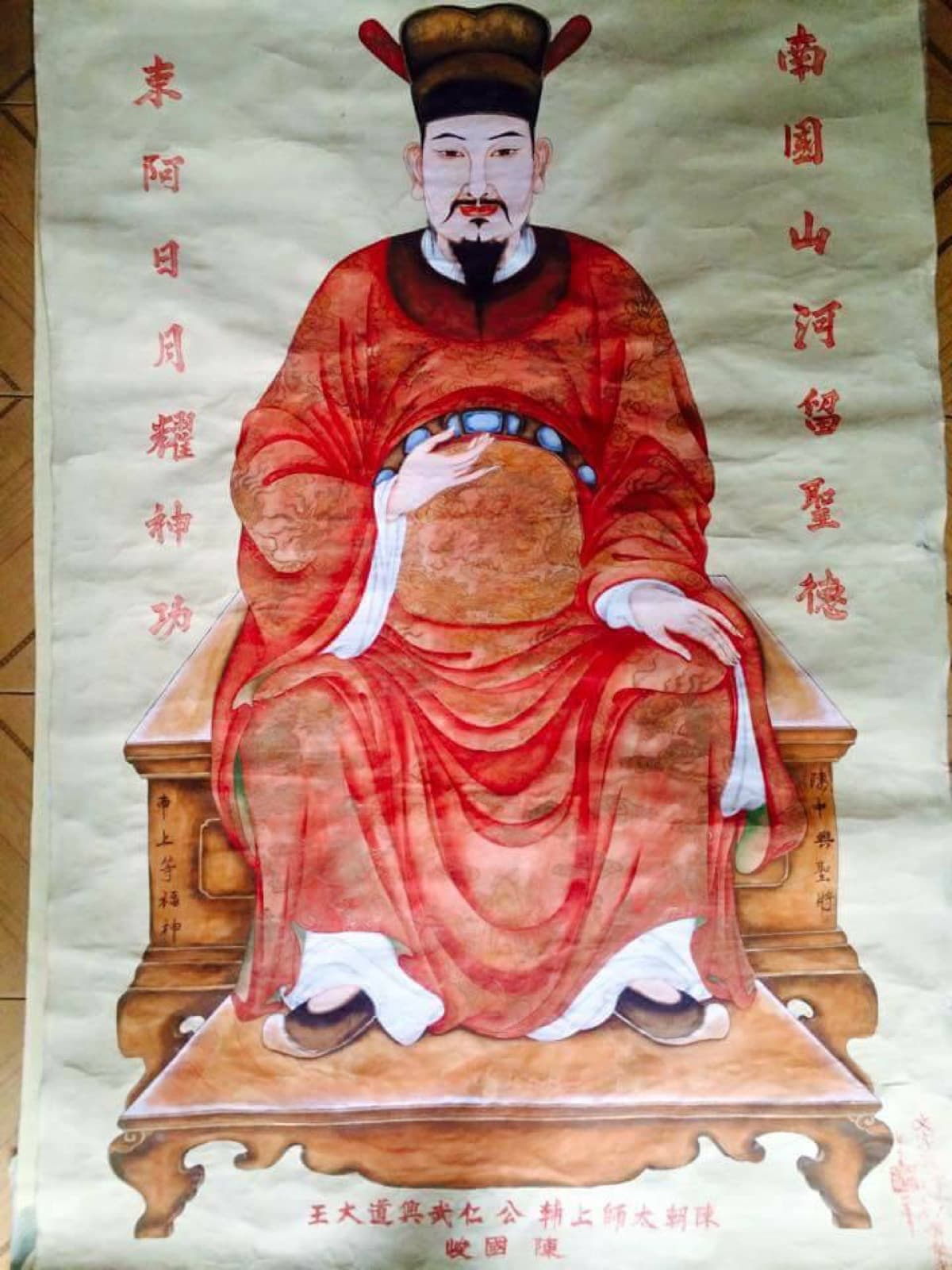
TL;DR: The Côn Sơn - Kiếp Bạc Festival is an occasion to commemorate the merits of Trần Hưng Đạo and Nguyễn Trãi, two historical figures closely tied to this land. Since the relic complex was recognized by UNESCO as a World Cultural Heritage, the festival has undergone a strong transformation, becoming a cultural and tourism product of international stature.
Côn Sơn - Kiếp Bạc Festival: A Spiritual Cultural Icon of the Sacred Land
The Côn Sơn - Kiếp Bạc Festival is one of the largest and most significant festivals in the Red River Delta, associated with two outstanding Vietnamese figures: Hưng Đạo Đại Vương Trần Quốc Tuấn and national hero Nguyễn Trãi. Beyond commemorating the merits of these ancestors, the festival is a unique cultural space where history, belief, and contemporary life converge, especially since the Yên Tử - Vĩnh Nghiêm - Côn Sơn, Kiếp Bạc relic complex was recognized by UNESCO as a World Cultural Heritage.
What is the origin and historical meaning of the festival?
The Côn Sơn - Kiếp Bạc Festival is actually a combination of two major festivals held at two famous relic clusters in Hải Dương province (now Chí Linh city) and Hải Phòng city (now Trần Hưng Đạo ward). This land is closely tied to the lives and careers of two great historical figures.
Kiếp Bạc and Hưng Đạo Đại Vương Trần Quốc Tuấn: Kiếp Bạc (Hưng Đạo commune, Chí Linh city, Hải Phòng city (formerly Hải Dương province) before July 2025, now part of Hải Phòng city) was where Trần Quốc Tuấn settled and built his estate, which became a crucial military base during the resistance wars against the Nguyen-Mongol invaders. After his death on the 20th day of the 8th lunar month in the year of Canh Tý (September 5, 1300), the people built a temple in his honor at Vạn Kiếp, known as Kiếp Bạc Temple. This is one of the most solemn places of worship for the national hero who led the Tran dynasty's forces to defeat the Nguyen-Mongol invaders three times, achieving glorious victories at Chương Dương, Hàm Tử, Vạn Kiếp, and Bạch Đằng.
Côn Sơn and Nguyễn Trãi: Côn Sơn (Chí Linh city, Hải Phòng city; formerly Hải Dương province) is closely associated with the life of Nguyễn Trãi, a brilliant politician, military strategist, diplomat, cultural figure, and poet. He contributed greatly to the victory of the Lam Sơn insurgents against the Ming invaders and authored the "Bình Ngô Dai Cao" (Great Proclamation upon the Pacification of the Wu), considered the nation's second declaration of independence. Côn Sơn is also linked to the years Nguyễn Trãi retreated into seclusion, writing immortal literary works such as "Bai ca Côn Sơn" (Côn Sơn Ode). This place bears the deep imprint of the national hero and outstanding cultural figure, whom UNESCO honored as a World Cultural Celebrity.
How do the distinctive rituals of the festival take place?
The Côn Sơn - Kiếp Bạc Festival is held annually with two main seasons: the Spring Festival (in the first lunar month) and the Autumn Festival (in the eighth lunar month). Each festival period features solemn rituals and distinctive cultural activities, expressing reverence and gratitude from later generations.
Spiritual rituals are conducted methodically, following traditional protocols, including: the proclamation ceremony, the festival opening ceremony, the seal-opening ceremony, the prayer for peace, and the flower lantern festival. A key highlight is the water procession on the Lục Đầu River, recreating the heroic atmosphere of naval reviews and preparations for river battles during the Tran dynasty. Additionally, the festival of hau Thanh (mediumship) performances, featuring hat van (spiritual singing), is a distinctive cultural and religious practice, symbolizing the connection between humans and the spiritual world, praying for national peace and prosperity.
What happened at the 2025 World Cultural Heritage event?
The 2025 Autumn Côn Sơn - Kiếp Bạc Festival holds special significance as it coincides with the momentous event of the Yên Tử - Vĩnh Nghiêm - Côn Sơn, Kiếp Bạc relic and landscape complex being officially inscribed by UNESCO as a World Cultural Heritage. This event marks a major turning point, elevating this sacred land to an international level.
According to Nhân Dân newspaper, on the evening of October 12, 2025, at Kiếp Bạc Temple, Hải Phòng city solemnly held a ceremony to commemorate the 725th anniversary of the death of national hero Hưng Đạo Đại Vương Trần Quốc Tuấn (1300-2025), simultaneously opening the Autumn Côn Sơn - Kiếp Bạc Festival and announcing the global value of the Heritage. The event was attended by numerous Party and State leaders and pilgrims from all directions, demonstrating the festival's importance and reach.
All activities of the 2025 festival were directed toward the message "Honoring Heritage - Spreading Vietnamese Values." From billboards and media publications to the festival space design, all bore the new heritage identity. This reflects the aspiration to make Côn Sơn - Kiếp Bạc an international spiritual and cultural destination, while contributing to preserving and promoting the nation's significant cultural values.
What role does the festival play in tourism?
Beyond spiritual rituals, the Côn Sơn - Kiếp Bạc Festival is also an attractive cultural and tourist destination. The 2025 Autumn Festival was assessed as the largest ever, with twice the number of cultural activities compared to previous years.
A highlight was the Culture, Tourism, and Trade Promotion Week lasting several days, featuring three major exhibition spaces: traditional craft villages, OCOP products and typical agricultural goods, and distinctive cuisine. Visitors not only pay homage to the ancestors but also have the opportunity to experience and interact with artisans at renowned craft villages such as Chu Đậu pottery, Thanh Liễu woodblock printing, and Xuân Nẻo embroidery. Specialty dishes like green bean cakes, cha ruoi (fried sandworm patties), spicy fish noodle soup, and crab spring rolls serve as bridges bringing local flavors to visitors.
Additionally, performances of folk arts such as cheo (traditional opera), ca tru (ceremonial singing), hat van, and water puppetry were elaborately staged with themes connected to the historical stories of this sacred land. These activities make the visitor experience both intimate and profound, contributing to the spread of the nation's positive traditional cultural values.
What is special about the architecture and heritage space?
The Côn Sơn - Kiếp Bạc relic complex is a typical architectural, cultural, historical, and scenic complex, linked to a system of relics stretching from Yên Tử (Quảng Ninh), Vĩnh Nghiêm (Bắc Giang) to Côn Sơn and Kiếp Bạc (Hải Dương, Hải Phòng). It is not only a witness to momentous historical events but also a convergence of rich tangible and intangible cultural values. The UNESCO recognition as a World Cultural Heritage affirms the globally outstanding values of this relic complex, while also placing great responsibility on preserving and promoting heritage values for future generations.
Conclusion
The Côn Sơn - Kiếp Bạc Festival is a special spiritual cultural space that honors the nation's great historical and cultural values associated with the two luminaries Trần Hưng Đạo and Nguyễn Trãi. Held annually, the event is not only an occasion for the people to express gratitude and remember the merits of their ancestors but also an opportunity to promote and introduce the nation's cultural heritage values to international friends. With its strong transformation following UNESCO recognition, the Côn Sơn - Kiếp Bạc Festival not only preserves historical values but also becomes a cultural product of international stature, affirming its position as an important cultural and spiritual tourism center of the country.
Comparison table of two historical figures and two relic complexes associated with the Côn Sơn - Kiếp Bạc festival.
| Historical figure | Relic complex | Location | Notable mark |
|---|---|---|---|
| Trần Quốc Tuấn | Kiếp Bạc | Hưng Đạo commune, Chí Linh city, Hải Phòng city (formerly Hải Dương province) | Commander of the Tran dynasty's army and people who defeated the Yuan - Mongol invaders three times |
| Nguyễn Trãi | Côn Sơn | Chí Linh city, Hải Phòng city (formerly Hải Dương province) | Author of Bình Ngô dai cao and Bai ca Côn Sơn |


