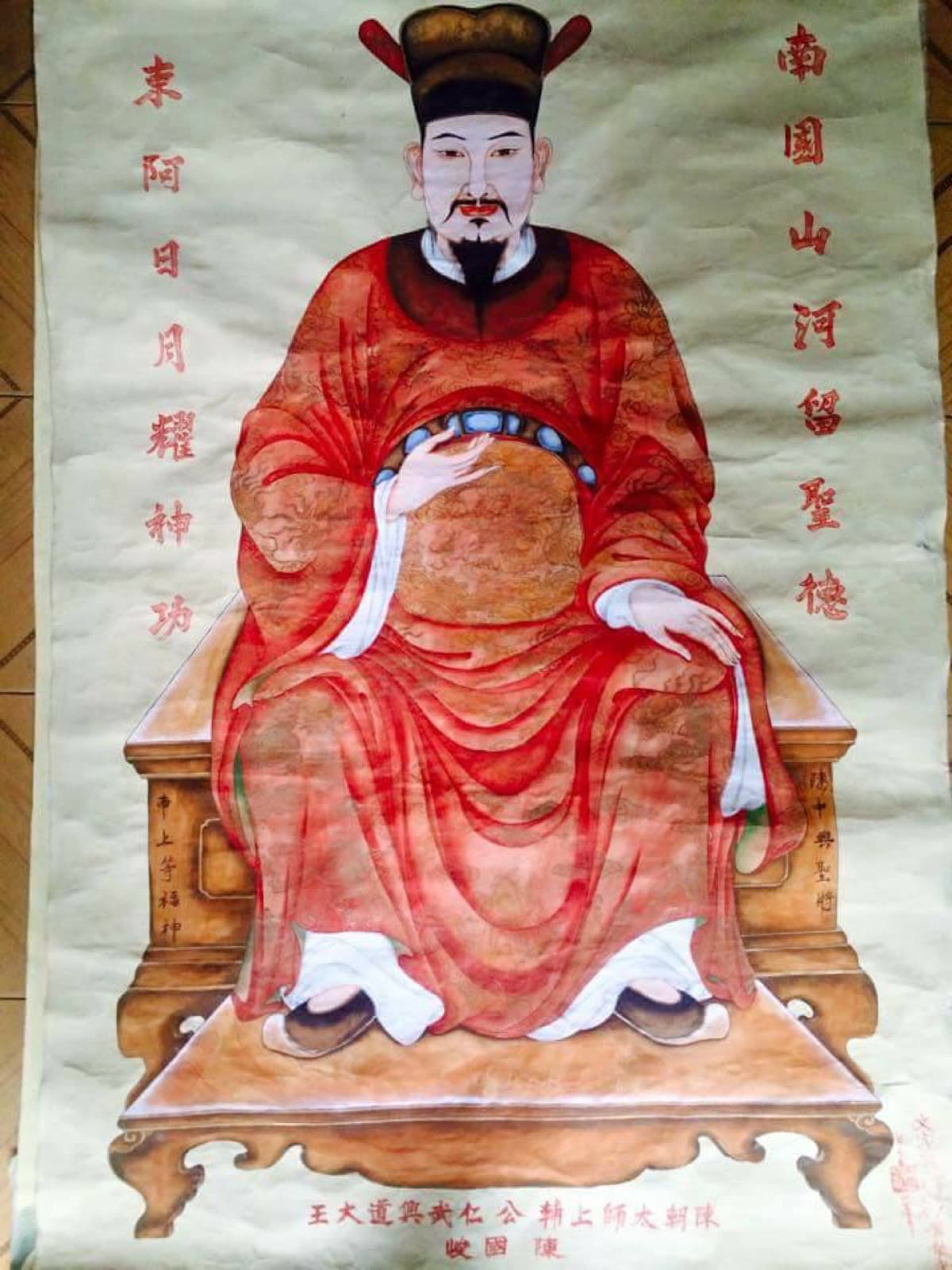
General Introduction to the Ba Trieu Temple Festival
The Ba Trieu Temple Festival is one of the most typical historical and cultural festivals in Thanh Hoa province. It is held annually in early February of the lunar calendar at the Ba Trieu Temple Special National Historical and Architectural Site, in Trieu Loc commune, Hau Loc district. The festival commemorates and honors the merits of the national heroine Trieu Thi Trinh, an outstanding woman who led an uprising against the domination of the Wu kingdom in the 3rd century AD.
Life and Career of National Heroine Trieu Thi Trinh
Origins
According to historical sources, Trieu Thi Trinh (also known as Ba Trieu or Trieu Au) was born on the 2nd day of the 10th lunar month in the year of Binh Ngo (226) in Quan Yen, now Dinh Tan commune, Yen Dinh district, Thanh Hoa province. She grew up when the country was under the domination of northern feudal dynasties, and the people suffered from oppression and exploitation.
The Great Uprising
Witnessing the loss of the country and the suffering of the people, Trieu Thi Trinh, together with her elder brother Trieu Quoc Dat, raised the flag of rebellion and retreated to the Ngan Nua mountains (in today's Tan Ninh and Xuan Du communes) to build a resistance base against the Wu domination. In a battle to defend the base, her brother was killed, but Trieu Thi Trinh continued the cause with the aspiration to "drive out the Wu invaders, regain the country, and remove the yoke of slavery".
In early 248, from the Ngan Nua base, Ba Trieu led the insurgent army to attack Tu Pho citadel and captured the seat of Cuu Chan commandery. The uprising quickly spread, and the insurgents expanded the liberated area, advancing to Bo Dien region and joining forces with the three Ly brothers, capturing more districts in the north.
Historical Significance of the Uprising
Ba Trieu's uprising "shook the whole of Giao Chau", forcing the Wu kingdom to send Lu Dan, an experienced general, as the Governor of Giao Chau with 8,000 elite troops to attack Cuu Chan commandery. From Than Phu estuary to the northern defense line of the Len River, Ba Trieu's insurgent army fought bravely through about 30 battles against the invaders. However, due to the great disparity in force, Lu Dan's troops managed to besiege the Bo Dien base. On the 22nd day of the 2nd lunar month in 248, Ba Trieu heroically sacrificed herself in battle at Tung mountain. The three Ly generals at Bo Dien (now Trieu Loc commune) continued to fight and fell to the last man.
History of the Ba Trieu Temple Construction and Development
Construction and Restoration
In gratitude for Ba Trieu's great merits, the people of Bo Dien built a temple in her honor at the foot of Tung mountain. Through many dynasties, the temple has been restored and expanded several times. Notably, King Ly Nam De, who contributed greatly to regaining national independence, had the temple expanded and repaired. Later generations continued to renovate and embellish the temple, making it increasingly grand and imposing.
Recognition as a Heritage Site
In 2014, the "Historical and Architectural Site of Ba Trieu Relic Area" was classified as a special national monument, affirming its great historical, cultural, and architectural value. By 2022, the Ba Trieu Temple Festival was also inscribed on the National List of Intangible Cultural Heritage, significantly contributing to the preservation and promotion of traditional cultural values.
Main Rituals and Activities in the Ba Trieu Temple Festival
The Ceremony Section: Solemn and Sacred Rites
The Ba Trieu Temple Festival consists of two main parts: the ceremony and the festival. The ceremony follows traditional rites and includes important rituals such as:
- Proclamation Ceremony: Reporting to the deities and Ba Trieu about the festival organization.
- Incense Offering Ceremony: Delegates, locals, and pilgrims offer incense to commemorate the heroic martyr Trieu Thi Trinh.
- Sacrificial Ceremony: A solemn ritual held at the Ba Trieu Temple.
In recent years, the ceremony has been enhanced with distinctive stage performances. For example, in 2026, the Thanh Hoa Department of Culture, Sports and Tourism directed the art troupe to produce and perform a stage script titled "National Heroine Trieu Thi Trinh, Shining in the Nation's History". This program aims to vividly convey historical messages and cultural depth, and to spread promotional values on digital platforms, meeting the growing cultural and spiritual needs of the people.
The Festival Section: A Vibrant Community Cultural Space
Besides the solemn ceremony, the festival is an occasion for locals and visitors to enjoy cultural and recreational activities. The festival space extends to satellite relic sites in the area, creating a rich and diverse cultural atmosphere:
- Ba Trieu's Tomb: The resting place of Ba Trieu at the foot of Tung mountain.
- Tombs of the Three Ly Generals: Commemorating the three generals who fought heroically to the last man.
- De Tu Temple and Ban The Shrine: Relic sites associated with the uprising.
- Phu Dien Communal House: The center of community cultural activities.
Vibrant cultural and sports activities during the festival include:
- Decorative Rooster Contest: A unique culinary cultural tradition of the local people.
- Art Performance Festival: Songs and dances praising the homeland and country.
- Tug of War Contest: A traditional folk game attracting many participants.
- Volleyball Tournament: A sport promoting health and fitness among the people.
Historical and Cultural Values of the Ba Trieu Temple Festival
Historical Value: Educating Patriotism
The Ba Trieu Temple Festival has great historical value in educating the patriotic tradition and the indomitable spirit against foreign invaders. The image of a strong and courageous woman rising up in rebellion when the country was invaded has become a shining symbol of the heroic and unyielding spirit of Vietnamese women in particular and the Vietnamese nation in general.
Cultural Value: Preserving Intangible Heritage
The inscription of the Ba Trieu Temple Festival on the National List of Intangible Cultural Heritage in 2022 is a well-deserved recognition of the traditional cultural values that the festival has preserved and passed down through generations. The festival is not only an occasion to remember the national heroine but also a space for spiritual cultural activities, strengthening community bonds and enriching people's spiritual lives.
Tourism Value: Promoting Local Socio-Economic Development
The Ba Trieu Temple Festival also plays an important role in developing tourism in Thanh Hoa province. Each year, the festival attracts a large number of pilgrims, creating opportunities to promote the image, culture, and people of Thanh Hoa to domestic and international visitors. This contributes to boosting local socio-economic development through service and tourism activities.
Conclusion
The Ba Trieu Temple Festival is not only an annual cultural event but also a symbol of gratitude and national pride. Through solemn rituals and rich cultural activities, the festival helps preserve and promote the fine historical and cultural values of the nation, while educating younger generations about the patriotic tradition and indomitable spirit of their ancestors. Preserving and promoting the value of the festival is the responsibility of every Vietnamese citizen in safeguarding and developing the national culture.

