What Is Vu Lan?
Vu Lan, or Ullambana, falls on the 15th day of the 7th lunar month each year, coinciding with the folk observance of "pardoning wandering souls." It is one of Buddhism's most important festivals, and has also become a deeply rooted cultural occasion in Vietnamese spiritual life regardless of religious affiliation, a "season of filial piety" devoted to parents, grandparents, and ancestors.
Origins: The Ullambana Sutra and the Legend of Mục Kiền Liên
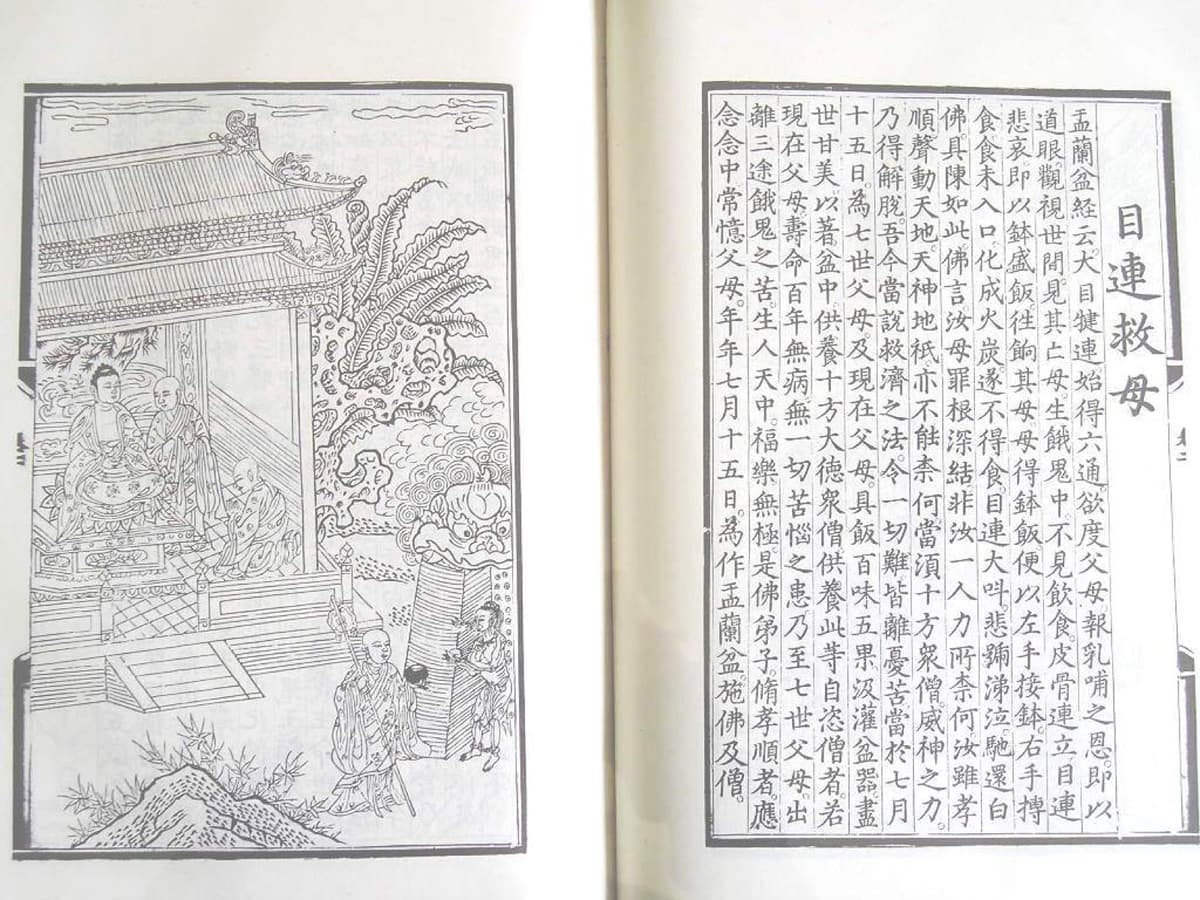
The name "Vu Lan" is a shortened Sino-Vietnamese transliteration of the Sanskrit "Ullambana," meaning "rescue from hanging upside down", referring to a great suffering from which one must be saved. The festival originates from the Ullambana Sutra in Buddhism, telling the story of the Venerable Mục Kiền Liên (Maudgalyayana), one of the Buddha's ten great disciples, renowned for his supernatural powers. After attaining enlightenment, Mục Kiền Liên used his divine eye to see his mother suffering hunger and thirst in the realm of hungry ghosts, a consequence of misdeeds during her lifetime. Grief-stricken, he brought her a bowl of rice, but each time it reached her mouth it turned to burning coals.
Mục Kiền Liên sought the Buddha's guidance on how to save her. The Buddha taught that no matter how great his individual powers, he alone could not save his mother, he would need the combined merit of monks from all directions gathered on the 15th day of the 7th month, the day marking the end of the monastic order's three-month rains retreat, also called the "Day of the Buddha's Joy." Through an offering ceremony for the monastic community and the dedication of merit as the Buddha instructed, Mục Kiền Liên's mother was liberated from her suffering. From this story, Vu Lan emerged as an occasion for children to repay the debt of gratitude owed to parents for their birth and upbringing, not only in this life but across many lifetimes.
The Meaning of Filial Piety in Vietnamese Culture
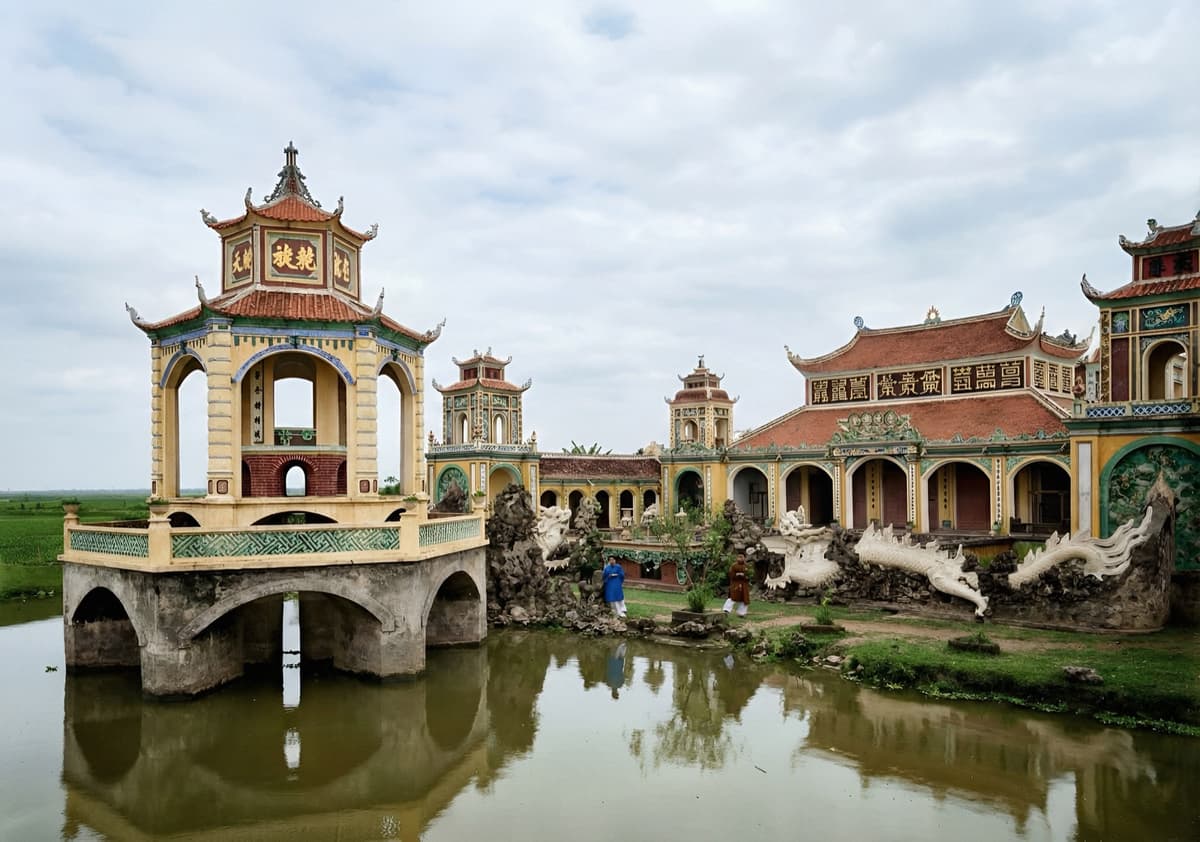
As it took root in Vietnam, Vu Lan blended deeply with the native ethic of "drinking water, remembering its source" and honoring the debt owed to father and mother, becoming one of the most humanistic and universally observed festivals, reaching well beyond religious boundaries. During this time, temples hold grand Vu Lan ceremonies with filial-piety sutra chanting, offerings to the monastic community, and prayers for the salvation of ancestors across nine generations. Many families also prepare offering trays for ancestors at home, and it is also an occasion for children to visit and care for living parents and grandparents, expressing filial devotion through concrete action, not ritual alone.
The 15th of the seventh month also coincides with the folk belief in the "pardoning of wandering souls", according to Taoist and indigenous belief, this is the day when homeless spirits are "pardoned" and return to the mortal world. Alongside the filial Vu Lan rites, many families and temples therefore also hold ceremonies to offer alms to wandering souls with no descendants to worship them, reflecting the festival's broader spirit of compassion.
The Rose-Pinning Ceremony
One of the most moving and widespread images of Vu Lan in Vietnam is the "Bông hồng cài áo" (Rose Pinned to the Shirt) ceremony. This ritual originates from an essay of the same name written by Zen master Thích Nhất Hạnh in the summer of 1962 during a retreat in the United States, inspired by a flower-pinning custom in memory of mothers that he witnessed in Japan. The first rose-pinning ceremony was held at Xá Lợi Pagoda in Saigon that same Vu Lan season, and quickly spread to become an essential ritual at temples across Vietnam.
Under this ritual, those whose mother is still living are pinned with a deep red rose on their chest, symbolizing the happiness of still having her by their side; those whose mother has passed away are pinned with a white rose, as remembrance and a reminder to cherish the time still had with living parents. Some places also use a yellow rose for monastics, carrying a broader meaning of devotion to one's spiritual and biological origins. The moment each person quietly looks down at the color pinned to their own chest often becomes the most poignant and reflective moment of the Vu Lan season.
Vu Lan in Contemporary Life
Today, Vu Lan is no longer confined to temple grounds but has spread into a cultural occasion embraced by society at large, including those outside the Buddhist faith. Activities such as writing letters to one's mother, staging artistic programs on filial piety, or simply making a phone call or sharing a reunion meal with parents during this time are all ways modern Vietnamese people carry forward the nation's age-old spirit of filial devotion.