Introduction
In feng shui, the staircase is not merely a means of moving between floors but is often described as the "lifeline" that guides chi (energy) throughout the home. A well-positioned staircase allows chi – and with it, wealth and health – to circulate smoothly, nourishing all living spaces. Conversely, a poorly placed or badly designed staircase can become an "obstacle" that depletes positive energy and brings misfortune. This article explores fundamental feng shui principles for staircases, offering practical insights.
The Staircase's Role in Chi Flow
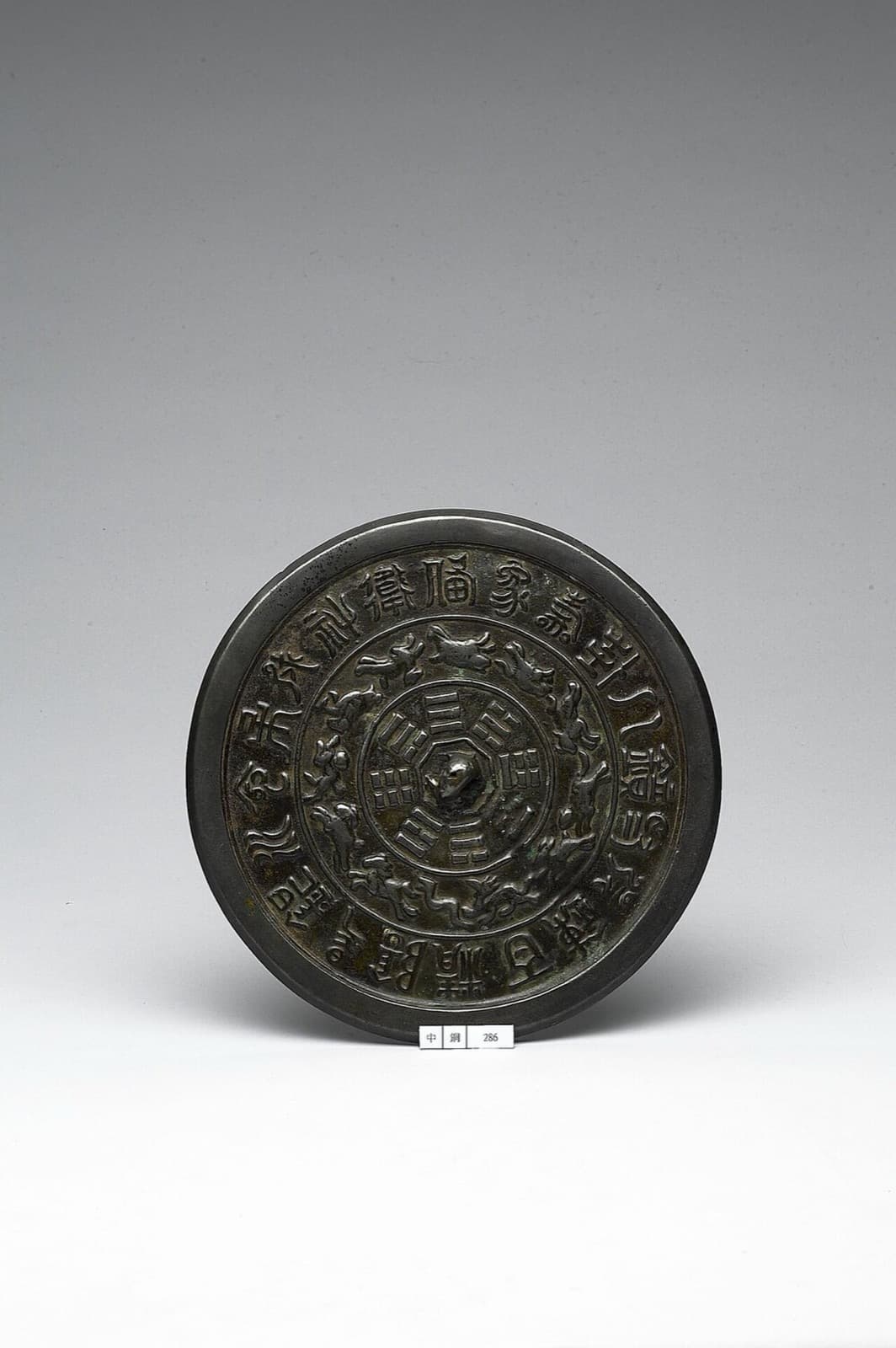
According to feng shui, a house has eight sectors (palaces), each with distinct meanings. The staircase, as a central traffic point, greatly influences how chi is distributed to different floors and rooms. If the staircase sits in a favorable sector (e.g., the wealth sector in the southeast), it can amplify positive energy. If in an unfavorable one, it may activate negative influences. Therefore, choosing the staircase location should be based on the home's bagua map.
Placement Principles
Position
A staircase should be placed near the center but not directly in the middle (the "central palace") to avoid splitting the house's energy. Ideal spots are spacious halls or corridors that receive natural light and fresh air. Avoid dark, cramped corners where chi can stagnate.
Direction
The direction of the staircase is typically determined by the upward path from the lower floor. Generally, it should align with the main door's direction so chi entering the home flows upward naturally. If the staircase faces away from the door, chi may be pushed back out, causing wealth loss. Also, avoid having the staircase directly opposite the front door, as chi rushes upward too quickly, not spreading into rooms, creating a sense of haste and unease.
Step Count
Feng shui uses the Life Cycle (Sheng – Lao – Bing – Si) to count steps. A step count that falls into the "Sheng" (growth) phase is considered most auspicious. Typically, the number of steps should be divisible by 4 with a remainder of 1 (e.g., 17, 21, 25). Avoid counts that fall into the "Si" (death) phase (divisible by 4). Odd numbers are generally preferred in East Asian culture.
Shape and Materials
Straight staircases with minimal turns are best, as they allow chi to flow strongly yet steadily. Spiral staircases, especially those around a metal pole, can create a "poison arrow" aimed at the house, harming health and wealth. If unavoidable, place plants at the base to mitigate. Steps should be made of wood or natural stone, representing Wood or Earth elements – which are mutually reinforcing – to stabilize chi. Avoid slippery glass or metal steps, as they can cause accidents and unease.
Remedies for Major Taboos
If a staircase already violates key taboos, such as facing the main door, sitting in the central palace, or being too dark, you can apply remedies:
- Facing the main door: Place a screen or decorative partition between the door and staircase to slow chi, allowing it to disperse before rising.
- Central palace: Place a large plant at the base, or hang a crystal ball from the ceiling nearby to balance chi.
- Dark staircase: Enhance lighting with spotlights or recessed lights along the steps. Warm light stimulates chi flow.
- Spiral staircase: If structural changes aren't possible, avoid placing desks or beds near it, and use harmonious-colored runners to reduce negative energy.
Integration with Other Areas
As with any feng shui adjustment, activating a favorable sector should be done consistently across all rooms for maximum effect. For example, to boost wealth, besides having the staircase in the southeast sector, also activate that sector in other rooms with plants, small fountains, or feng shui objects. For staircases, keep the base area clutter-free to ensure smooth chi movement.
Conclusion
A feng shui-friendly staircase not only ensures safe, comfortable movement but also contributes to a harmonious home filled with positive energy. By paying attention to position, direction, step count, shape, and materials, you can turn your staircase into a supportive pillar for your family's fortune. Remember, feng shui is about creating harmony with nature – balance and your own feelings are what truly matter.