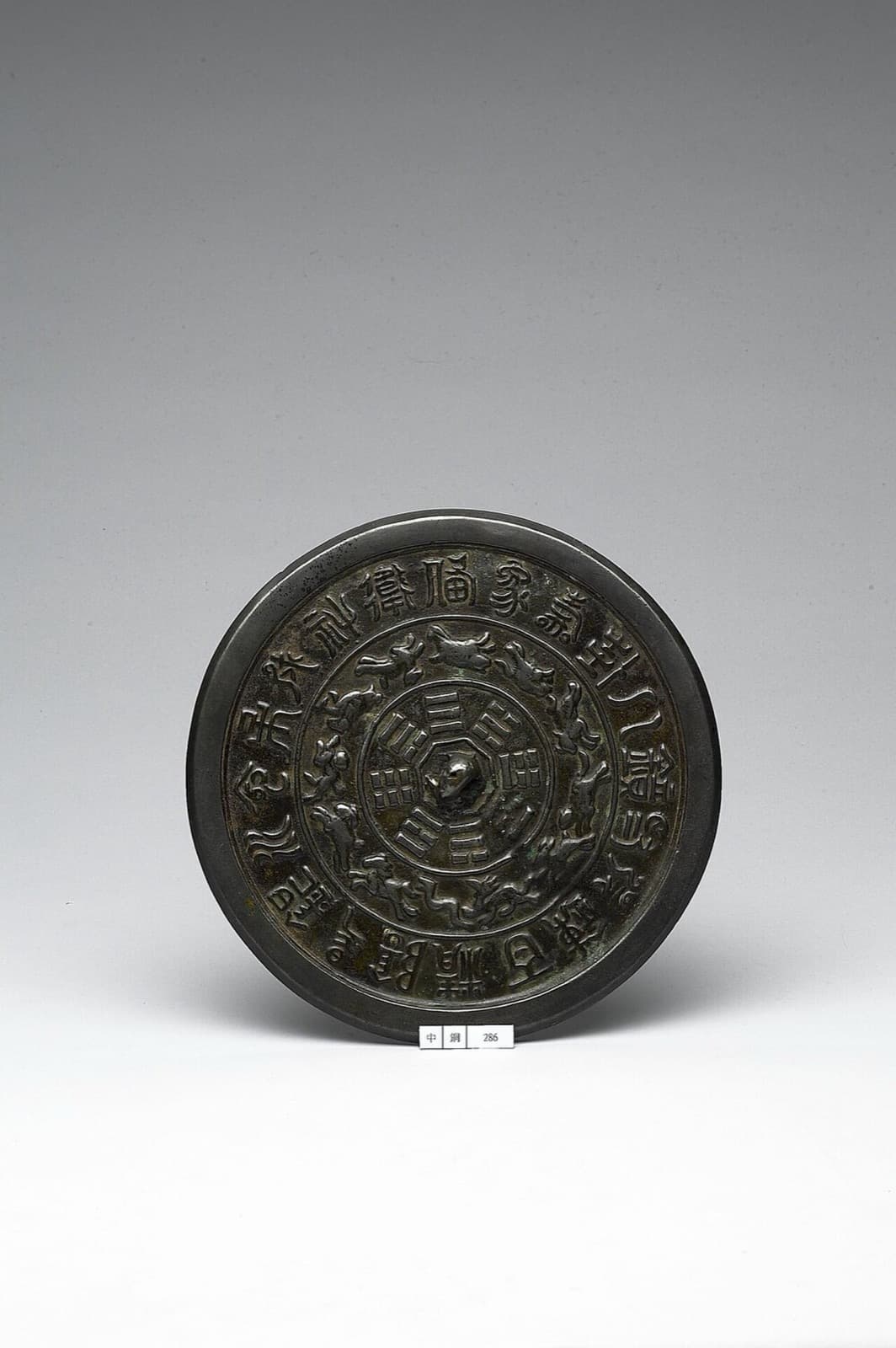
Qian Mountain Direction in the 24 Mountain Directions of Feng Shui: Meaning and Interpretation
Feng Shui is an ancient knowledge system of the Eastern people, studying the relationship between humans and their surrounding environment through geographical, climatic, and living space factors. Among its tools, the 24 mountain directions system is fundamental, used to determine directions, analyze auspiciousness, and set spatial arrangement principles. This article delves into the Qian mountain direction, one of the important and meaningful directions in the 24 mountain system.
Introduction to the 24 Mountain Directions System
The 24 mountain directions system combines 12 Earthly Branches, 10 Heavenly Stems, and 4 trigrams from the I Ching (Qian, Kun, Gen, Xun), evenly arranged around the Feng Shui compass, each occupying 15 degrees of the 360-degree circle. This system is widely used in Feng Shui schools such as Xuan Kong, Ba Zhai, and San He to determine house orientation, grave orientation, and other important factors.
Each mountain direction is not just a compass point but carries its own attributes of five elements, hexagrams, and cultural symbolism. Understanding each direction's meaning helps us apply Feng Shui more accurately and effectively in life.
Position and Basic Attributes of the Qian Mountain Direction
The Qian mountain (乾) is located in the northwest, occupying 15 degrees from 292.5 to 307.5 degrees on the compass. In the 24 mountains, Qian is one of the four pure trigrams (Qian, Kun, Gen, Xun) included instead of a Heavenly Stem or Earthly Branch.
The five element of Qian is Metal. In the five element relationships, Metal generates Water, Earth generates Metal, Fire overcomes Metal, and Metal overcomes Wood. This means Qian is compatible with Earth and Water element mountains but conflicts with Fire element mountains.
In the I Ching, Qian is Hexagram 1, symbolizing heaven, creativity, and supreme power. The Qian hexagram consists of six yang lines, representing strength, firmness, and initiative. In society, Qian symbolizes the father, the head of the family, kings, and leaders.
In terms of Yin-Yang, Qian is extreme Yang, belonging to Yang Metal. In the Ba Zhai system, Qian belongs to the West Group, together with Kun, Gen, and Dui. This means that people of the West Group destiny will encounter good fortune when their house or bedroom faces the Qian direction.
Symbolic and Cultural Significance of the Qian Mountain
In Eastern culture, Qian is not just a direction but a profound cultural symbol. The character Qian (乾) is also used in the term "Qian Kun" to refer to heaven and earth, the universe. Thus, the Qian mountain is considered a symbol of origin and endless creative energy.
In family terms, Qian represents the father, husband, and breadwinner. In a house, if the northwest area (the position of Qian) is well-maintained and harmoniously arranged, the man of the family is believed to experience career and health advantages. Conversely, if this area is cluttered or suppressed by negative factors, it may adversely affect the father or husband.
In career terms, Qian symbolizes power, status, and leadership. Therefore, leaders, managers, or those seeking career advancement are often advised to pay attention to the Qian direction. Arranging a study or desk facing Qian or placing it in the northwest area of the house can enhance authority and decisiveness.
Interpreting Auspiciousness for the Qian Mountain Direction
Interpreting auspiciousness for a mountain direction cannot be separated from the overall context. Whether Qian is good or bad depends on many factors such as house orientation, main door direction, kitchen direction, grave direction, and especially its combination with other mountain directions in the space.
#### 1. In the Ba Zhai School
In Ba Zhai, each person has four good and four bad directions based on birth year and gender. Qian belongs to the West Group, making it a good direction for West Group destiny individuals. West Group destiny palaces include: Qian (male born in Metal years), Kun (Earth), Gen (Earth), Dui (Metal).
If a person is of West Group destiny, choosing the house or bedroom facing Qian brings beneficial stars like Sheng Qi, Tian Yi, Yan Nian, or Fu Wei. Conversely, if an East Group destiny person chooses Qian, it becomes a bad direction (Jue Ming, Wu Gui, Liu Sha, Huo Hai), causing misfortunes.
#### 2. In the Xuan Kong School
Xuan Kong is a powerful Feng Shui school using the compass and flying stars to judge auspiciousness over time. Each mountain has its own natal star. In Xuan Kong, Qian is often associated with Star 6 (Liu Wu), representing power, status, and career luck.
When Star 6 flies to an area, it brings promotion energy and favor from superiors. However, if Star 6 is suppressed (meeting bad stars or broken by terrain or water), it can cause disputes, lawsuits, or loss of power.
#### 3. In the San He School
San He is a classical Feng Shui system focusing on the combination of dragon vein, direction, and water. In San He, Qian belongs to the Metal Bureau, together with Xin, You, and Chou. The Metal Bureau is often used for graves or houses with hills in the northwest.
When Qian is positioned on a prosperous dragon vein with winding water embracing it, it is considered a greatly auspicious configuration, bringing wealth and prosperity to descendants. Conversely, if water violates positions of death or extinction, it can cause health and financial problems.
Practical Applications of the Qian Mountain Direction in Daily Life
#### 1. Choosing House Direction
When building a house, choosing the direction is crucial. If you are of West Group destiny, facing Qian is a good option. The Qian direction (northwest) brings the powerful energy of heaven, helping the homeowner gain confidence, decisiveness, and leadership. However, note that house direction is not the only factor determining auspiciousness. It should be combined with land form, door direction, and interior layout.
#### 2. Arranging Ancestral Altar and Living Room
The ancestral altar and living room are important places in a house, gathering family energy. Placing the altar in the northwest (Qian) is a good choice, as it is the position of power and sanctity. However, avoid placing the altar in damp, dark, or suppressed areas near toilets or kitchens.
#### 3. Choosing Desk Direction
For those in management, leadership, or creative fields, placing a desk facing Qian can enhance focus and clarity. Qian symbolizes heaven and broad vision, helping you see issues holistically and make sound decisions.
Important Notes When Using the Qian Mountain Direction
Although Qian has many positive meanings, it is not always suitable. Here are some important notes:
- Avoid clashes: Qian (Metal) clashes with Xun (Wood) in the six-clash relationship. Thus, avoid designs where the house faces Qian but the main door or kitchen is in the Xun direction, causing energy conflict.
- Match with destiny: As mentioned, Qian is only truly good for West Group destiny. If you are East Group destiny, carefully consider before using this direction.
- Consider time periods: Feng Shui changes over time. A good direction in one period can become bad in another. Therefore, consider the specific luck cycle of the house and homeowner.
- Do not absolutize: Feng Shui is a reference tool, not the sole determinant. Life outcomes depend on actions, thoughts, and social environment.
Conclusion
The Qian mountain direction in the 24 mountain directions of Feng Shui is a rich and profound topic, containing multiple layers of cultural, philosophical, and practical meaning. Understanding Qian gives us a more comprehensive view of Feng Shui, enabling wise decisions for living and working spaces.
However, it is essential to emphasize that Feng Shui is only a part of the larger picture of life. Applying Feng Shui principles should be done flexibly, combining modern science and understanding of the actual environment. A harmonious, clean, and airy living space is always the best foundation for health and happiness, regardless of house direction.
Quick-Reference Table: the Càn mountain
| Aspect | Content |
|---|---|
| Position among the 24 mountains | 22 |
| Type | Quái |
| Direction | Northwest |
| Governing trigram | Càn |
| Compass range | 307.5° tới 322.5° |
| Dragon cycle | Thiên |
*Số liệu trong bảng khớp với kết quả các công cụ tra cứu trên Nhật Nguyệt.*

