The Role of the Main Door in Feng Shui
In feng shui, the main door is considered the "mouth of the house" – the primary entry point for vital energy (qi) and fortune. A well-placed and properly arranged main door not only provides a sense of security but also attracts wealth, health, and luck. Conversely, a poorly positioned door can block positive energy and lead to financial and emotional setbacks.
Basic Principles for Main Door Arrangement
1. Position and Direction
According to the Eight Mansions theory, each house has eight sectors, and each person has four favorable directions (Sheng Qi, Tian Yi, Yan Nian, Fu Wei) and four unfavorable ones (Jue Ming, Wu Gui, Liu Sha, Huo Hai). The main door should ideally face one of the favorable directions of the homeowner. If changing the door direction is impossible, you can use colors and objects to balance the energy.
- Southeast (Wealth): Placing the door here enhances financial opportunities and business success.
- North (Career): Associated with water, this direction supports career advancement and reputation.
- East (Health): Linked to wood, it promotes family health and growth.
- Southwest (Love): This sector relates to marriage and relationships; using yellow or beige tones can harmonize partnerships.
2. Cleanliness and Openness
The area around the main door should always be clean and clutter-free. Avoid stacking shoes, rubbish, or unused items near the entrance, as they block the smooth flow of qi. A clear path allows vital energy to enter and circulate throughout the house.
3. Avoiding Negative Configurations
- Door facing a bathroom: This brings unclean qi into the home, affecting health and wealth. Remedy by hanging a curtain, placing a plant, or using a mirror to deflect.
- Door facing a staircase: A straight staircase pointing to the door can cause wealth to drain away. Place a rug or a plant between them to slow down the energy.
- Door aligned with a back door: If the front and back doors are in a straight line, qi passes through without settling, leading to loss. Use a screen or a cabinet to interrupt the flow.
4. Color and Material
Choose door colors based on the five elements and the door's direction.
- Southeast (Wood): Green, brown, or black (water feeds wood).
- North (Water): Blue, black, or white (metal generates water).
- West (Metal): White, gray, yellow, or earthy tones.
- South (Fire): Red, orange, pink, or green (wood feeds fire).
The door material should be sturdy and durable; avoid fragile glass doors or damaged frames.
5. Supportive Feng Shui Objects
- Entrance rug: A clean rug in an auspicious color helps absorb negative energy and adds a welcoming touch.
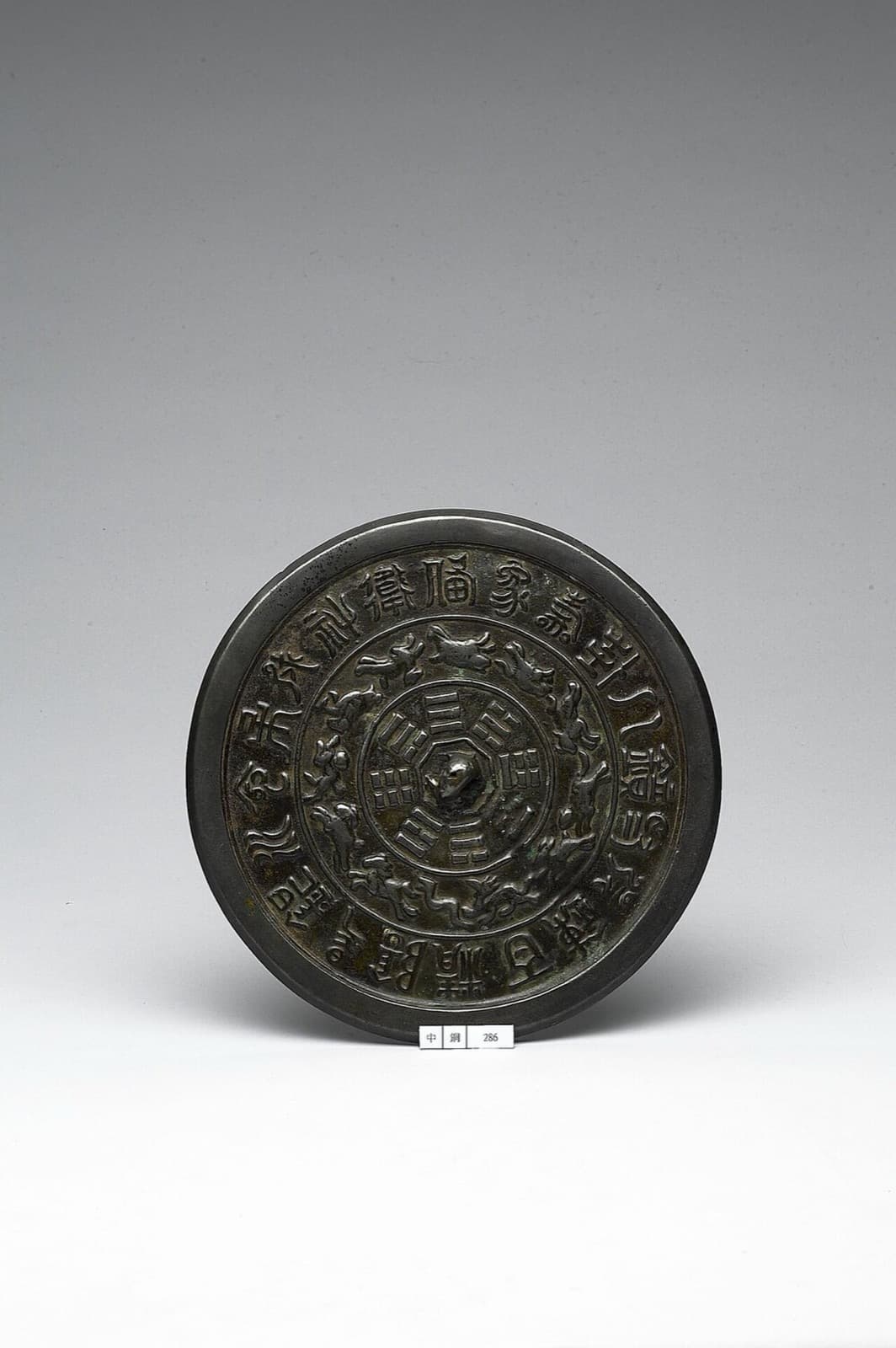
- Bagua mirror: If the door faces a sharp object or a straight road, a convex bagua mirror above the door can deflect harmful sha qi. Consult an expert before using it.
- Plants: Place two healthy, round-leaf plants on either side of the door to boost positive energy. Avoid thorny plants.
- Wind chimes: Metal wind chimes near the door can activate positive energy, especially if the door faces northwest or west.
Application in Small Spaces and Apartments
In apartments, the main door's direction is often fixed. In such cases, apply the principles on a smaller scale: keep the entrance tidy, use a rug in a favorable color, hang feng shui art, or place a small plant inside. If the door faces an elevator or a neighbor's door, a concave mirror can help diffuse negative energy.
Conclusion
Feng shui for the main door is not the sole determinant of destiny, but it plays a vital role in creating a harmonious and peaceful living space. By applying these principles flexibly, you can turn your home's entrance into a gateway for positive energy, bringing tranquility and prosperity to your family. Remember, feng shui is only one aspect of life; comfort, convenience, and love within the family remain the most important elements.