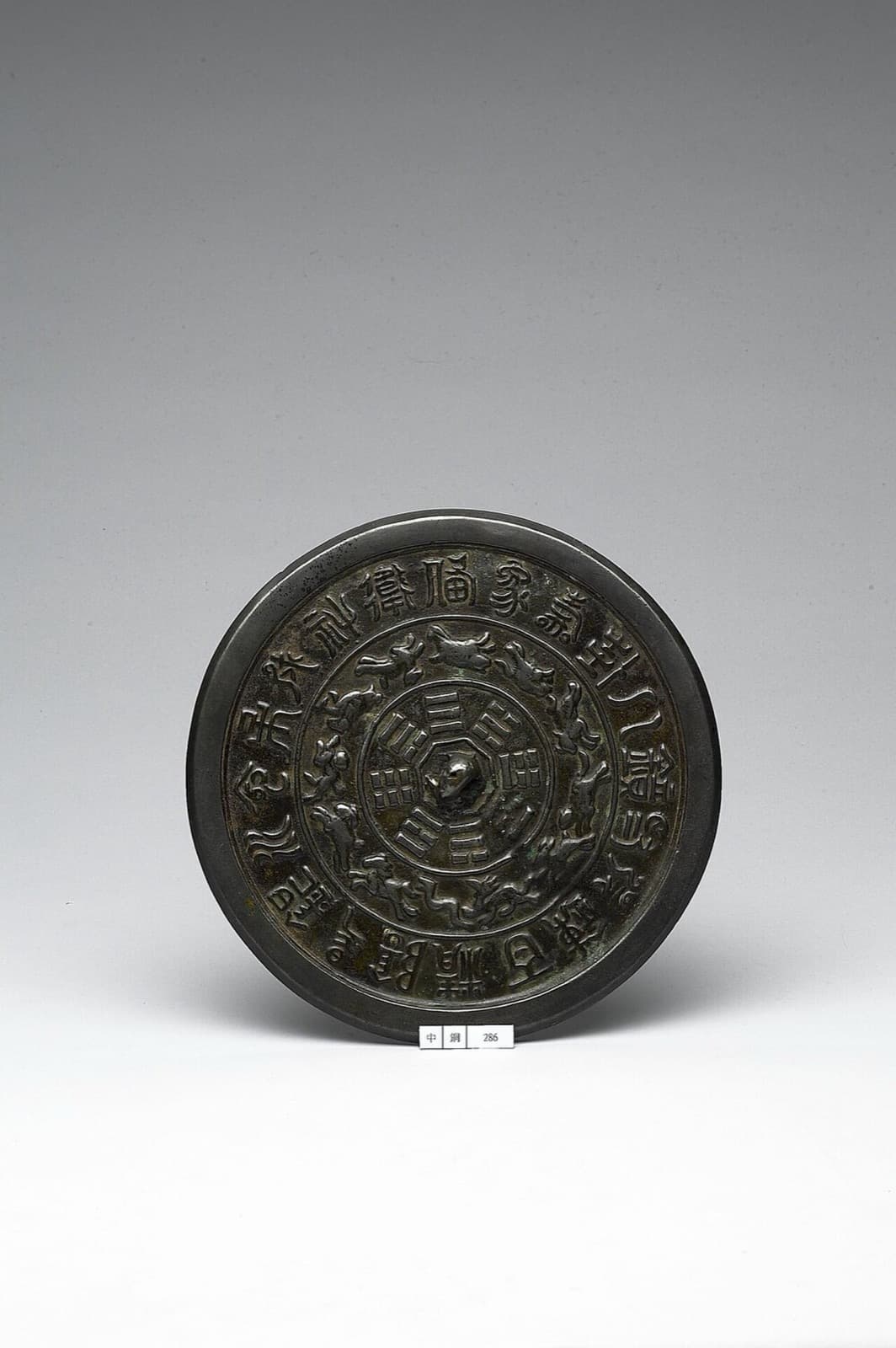
Living Room – The Feng Shui Heart of Your Home
In East Asian culture, the living room is not just a space for entertaining guests; it is considered the energetic heart of the entire house. According to feng shui, it is where vital energy (qi) gathers and distributes to other areas. A well-arranged living room promotes comfort, security, and supports goals related to wealth, health, and relationships.
Modern feng shui is less about superstition and more about mindful spatial arrangement to help people feel at ease and connected to their home. This guide draws on principles from Thanh Nien and Dan Tri newspapers to offer practical, actionable advice.
Principle 1: Sofa Placement – The Power Seat
The sofa is the central piece, influencing up to 70% of the room’s harmony. Ideally, place the sofa against a solid wall, facing the main door or an open space. This creates a sense of support and security, allowing the host to feel confident and observant.
If your layout forces the sofa to turn its back to the door, fix it by hanging a mirror to reflect the area behind. This reduces the feeling of vulnerability. Also avoid placing the sofa under a beam or glaring light, which creates pressure and discomfort.
Principle 2: Clear Pathways – Smooth Energy Flow
Feng shui emphasizes the smooth circulation of qi. A cluttered living room blocks energy, causing stagnation and fatigue. Ensure walkways are wide and unobstructed by furniture, low shelves, or tangled wires. Regularly declutter, especially sharp or broken items. The path from the door to the sofa should be natural and easy.
Principle 3: Layered Lighting – Nourishing Vitality
Lighting greatly affects mood and energy. A dark room feels draining, while harsh light causes stress. Combine multiple light sources: ceiling lights for general illumination, floor or table lamps for accents, and LED strips for architectural details. Maximize natural light during the day by opening curtains. In the evening, use warm white light (2700-3000K) for a cozy, relaxing atmosphere.
Principle 4: Balancing the Five Elements
The five elements (Wood, Fire, Earth, Metal, Water) form the foundation of feng shui. A harmonious living room includes all five, often through colors and materials. For example:
- Earth: brown floors, ceramics – stability.
- Wood: green plants, green cushions – growth.
- Fire: red/orange art, warm lamps – passion.
- Metal: metallic lamp details, frames – precision.
- Water: dark blue/black rugs, aquariums – wealth flow.
Avoid overemphasizing one element. Instead, aim for a balanced mix that suits your personal energy.
Principle 5: Bringing Nature In – Proper Plants
Plants represent Wood energy, bringing vitality. Choose round-leaf, easy-care plants like pothos, money tree, jade, or lucky bamboo. Avoid cacti or sharp-leaf plants in the living room as they create tension. Place plants in the southeast corner (wealth area) to activate prosperity, or in the northeast (study area) to support learning. Replace withered plants promptly.
Principle 6: Art and Mirrors – Reflecting Energy
Hang art slightly above eye level to make the room feel taller and more open. Choose uplifting subjects like nature scenes, calm seas, or family portraits. Avoid dark or violent imagery. Mirrors can expand space and reflect light, but never place a mirror directly facing the front door, as it pushes away incoming energy. Also avoid mirrors facing the sofa or coffee table.
Principle 7: Tidiness – The Foundation of Fortune
The most important rule: keep the room clean and organized. Clutter creates stagnant qi, hindering opportunities and creativity. Develop a habit of regular cleaning, removing unused items, and storing things properly. Pay special attention to corners where energy can accumulate. A tidy living room promotes relaxation and family harmony.
Integrating with the Whole House
As Thanh Nien notes, feng shui applies not only to individual rooms but also to the entire home. Each room has eight sectors, and the southeast corner of each room is its wealth area. When activating a sector in the living room, consider other rooms too for maximum effect. However, make changes gradually – one sector at a time – to observe and adjust.
Conclusion
Living room feng shui is not magic but thoughtful arrangement that makes life more comfortable and peaceful. By applying these seven principles – from sofa placement, pathways, lighting, five elements, plants, art/mirrors, to tidiness – you can turn your living room into a sanctuary of positive energy, nurturing happiness and prosperity for your family.