


TL;DR: Kiếp Sát is one of the Three Evils (along with Hỏa Linh and Dia Kiet), belonging to the group of malefic stars but not always negative. It represents breakthroughs and drastic changes, and when supported by benefic stars, it can create significant turning points in life.
What is the Kiếp Sát star in Tử Vi?
The Kiếp Sát star (劫煞) is one of the important malefic stars in the Tam Sát group of Tử Vi Đẩu Số (Vietnamese astrology), which includes Kiếp Sát, Hỏa Linh and Địa Kiếp. In the 118-star system of Tử Vi, Kiếp Sát is classified among the stars of the Fire element, yin in nature, acting as a "destroyer" but at the same time a force that brings about revolutionary change.
As for the origin of the name, the character "Kiếp" (劫) means to seize or plunder, while "Sát" (煞) means harm or destruction. The nature of this star is therefore bound up with loss, damage and sudden upheaval. Yet in Eastern philosophy nothing is entirely bad, and Kiếp Sát is no exception: it carries both a positive and a negative face.
Where is Kiếp Sát placed, and how is it positioned?
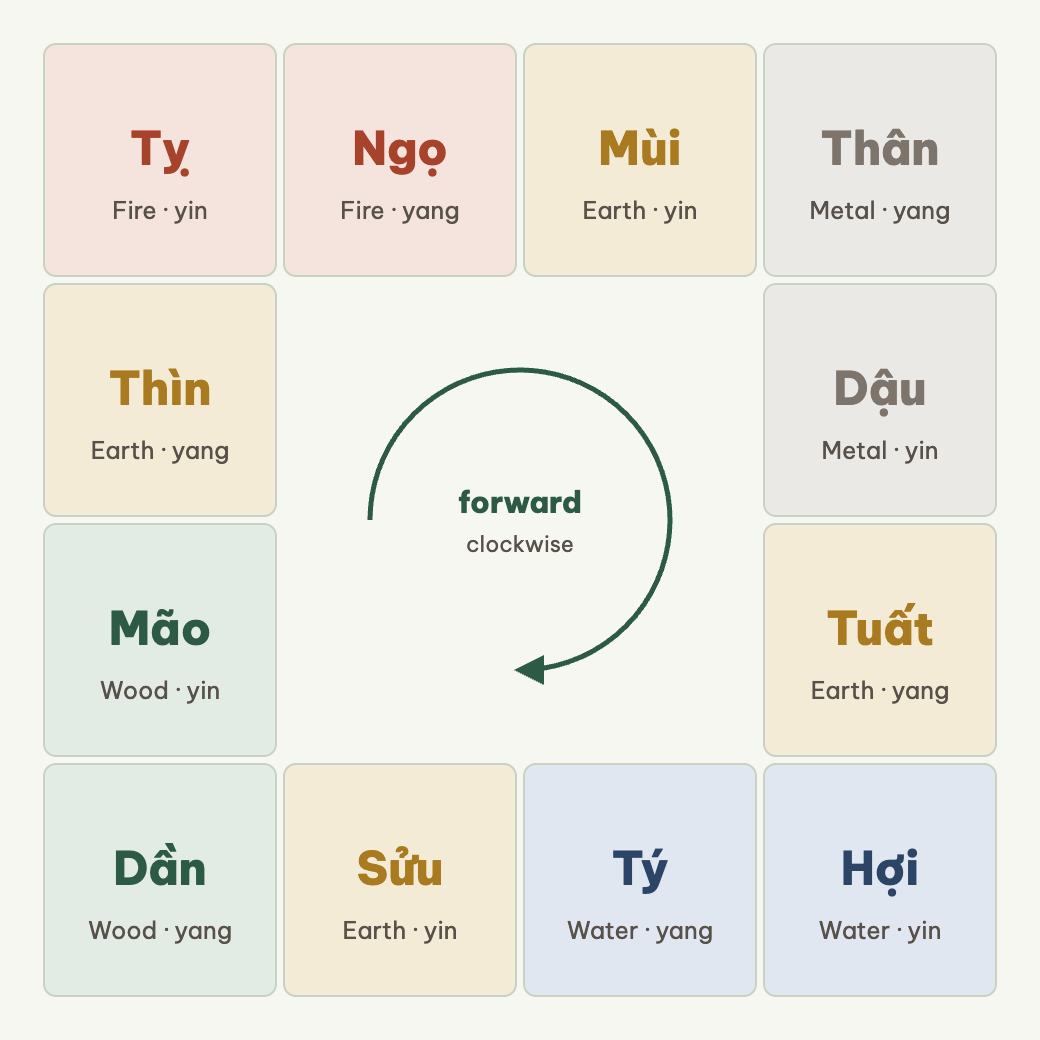
Kiếp Sát is placed according to the position of the earthly branch in the Mệnh palace, following this principle:
| Mệnh palace | Position of Kiếp Sát |
|---|---|
| Tý, Ngọ, Mão, Dậu | In the Tỵ palace |
| Thìn, Tuất, Sửu, Mùi | In the Dần palace |
| Dần, Thân, Tỵ, Hợi | In the Hợi palace |
This method of positioning shows that Kiếp Sát always sits in a special place, usually in palaces that form a tam hợp (three-harmony) or opposing relationship with the Mệnh palace. This creates an indirect but profound influence on the life of the person whose chart it is.
What are the basic characteristics of Kiếp Sát?
What is the negative side of the Kiếp Sát star?
Wherever Kiếp Sát lands, it brings instability, difficulty and obstacles. Specifically:
- Financially: It causes unexpected expenses, loss of money through theft, fraud or bad investments. A person with Kiếp Sát in the Tài Bạch palace often meets the situation of "empty-handed, then empty-handed again", money comes and money goes.
- In health: There is a tendency toward sudden health problems and unexpected accidents, especially injuries involving fire or sharp objects.
- Mentally: It creates a sense of unease and constant worry, a tendency to be easily provoked and to act impulsively.
What is the positive side of the Kiếp Sát star?
What few people know is that Kiếp Sát also has unexpectedly positive sides:
- Capacity for breakthrough: Kiếp Sát represents the breaking of old constraints, opening the way for new beginnings. In some cases it helps a person escape dead-end situations through forceful change.
- Spirit of daring: People influenced by Kiếp Sát are often unafraid of difficulty, ready to face challenges and to accept risk.
- Capacity for recovery: After each time of being "robbed" by Kiếp Sát, if a person knows how to get through it, they become far stronger and more resilient.
How does Kiếp Sát interact with other stars?
The most important thing when interpreting Kiếp Sát is to consider which stars it stands with in the same palace:
What happens when Kiếp Sát meets good stars?
- Thiên Tướng, Thiên Lương: When Kiếp Sát meets these stars it is to some extent "checked", and its dangerous quality is reduced. Thiên Lương in particular is the star most effective at dissolving malefic stars.
- Hóa Lộc: This combination produces the phenomenon of "losing money and gaining illness", yet the money can be earned back. People with this configuration often pass through periods of great loss and afterwards reap success through their own effort.
- Thiên Mã: Kiếp Sát meeting Thiên Mã forms the configuration "Mã gặp Kiếp" (馬遇劫), indicating changes of place, where going far brings many opportunities but also much hardship.
What happens when Kiếp Sát meets other bad stars?
- Hỏa Linh, Địa Kiếp: When all three stars gather in one palace, forming the "Tam Sát hội tụ" (三煞會聚), this is one of the most dangerous configurations, causing severe losses on many fronts in life.
- Tham Lang: Kiếp Sát meeting Tham Lang forms the stance "Tham Kiếp giao chiến" (貪劫交戰), associated with intense material desires and an easy fall into temptations that lead to unpredictable consequences.
- Thất Sát: This combination produces a person of very strong character with leadership qualities, but prone to disaster through overly reckless action.
What does Kiếp Sát mean in different palaces?
What does Kiếp Sát in the Mệnh palace mean?
Kiếp Sát in the Mệnh palace makes the life of the person full of ups and downs, with periods that seem hopeless and then a way out is found again. Such a person usually has a strong personality and will not submit to fate, but needs to learn to restrain impulsiveness in order to avoid wrong decisions.
What does Kiếp Sát in the Quan Lộc palace mean?
Kiếp Sát in the Quan Lộc palace shows a career path full of obstacles, possibly including sudden changes of profession. Yet if used well, this is an opportunity to turn toward entirely new fields in which the person can bring their abilities into play.
What does Kiếp Sát in the Phu Thê palace mean?
In the Phu Thê palace, Kiếp Sát often brings conflict and clash in marriage. There may be periods of separation or divorce, but if both people know how to yield and understand each other, the relationship becomes more firmly bound after the storms.
How can the influence of Kiếp Sát be resolved?
According to folk belief and various schools of Tử Vi, there are several ways to soften the negative influence of Kiếp Sát:
- Cultivating the mind and character: People of old believed that living toward goodness and doing many good deeds helps reduce the malefic energy of bad stars.
- Avoiding major decisions in opposing years: In years when Kiếp Sát is most strongly activated (usually the years that form a tam hợp with the star's position), one should limit the signing of major contracts, risky investment or sudden changes of job.
- Using feng shui items: Some people choose to use items such as precious stones, old coins or spiritual symbols to calm the mind, though the actual effect still depends on each person's belief.


