Can Tarot "Predict" the Future?
This is perhaps the most common misunderstanding about Tarot. Many seek the 78-card deck hoping to foresee a specific event or an unchangeable outcome. However, the history and mechanics of Tarot paint a different picture.
From Noble Game to Divination Tool
Tarot wasn't originally for divination. As Tuoi Tre newspaper reports, the earliest decks like Visconti-Sforza were commissioned by Italian nobility in the mid-15th century as a skill-building game. It wasn't until the mid-18th century that occultists like Antoine Court de Gébelin linked them to Egyptian mysticism. This shift in function laid the groundwork for viewing Tarot as a prophetic tool.
A Reflective, Not Prophetic, Mechanism
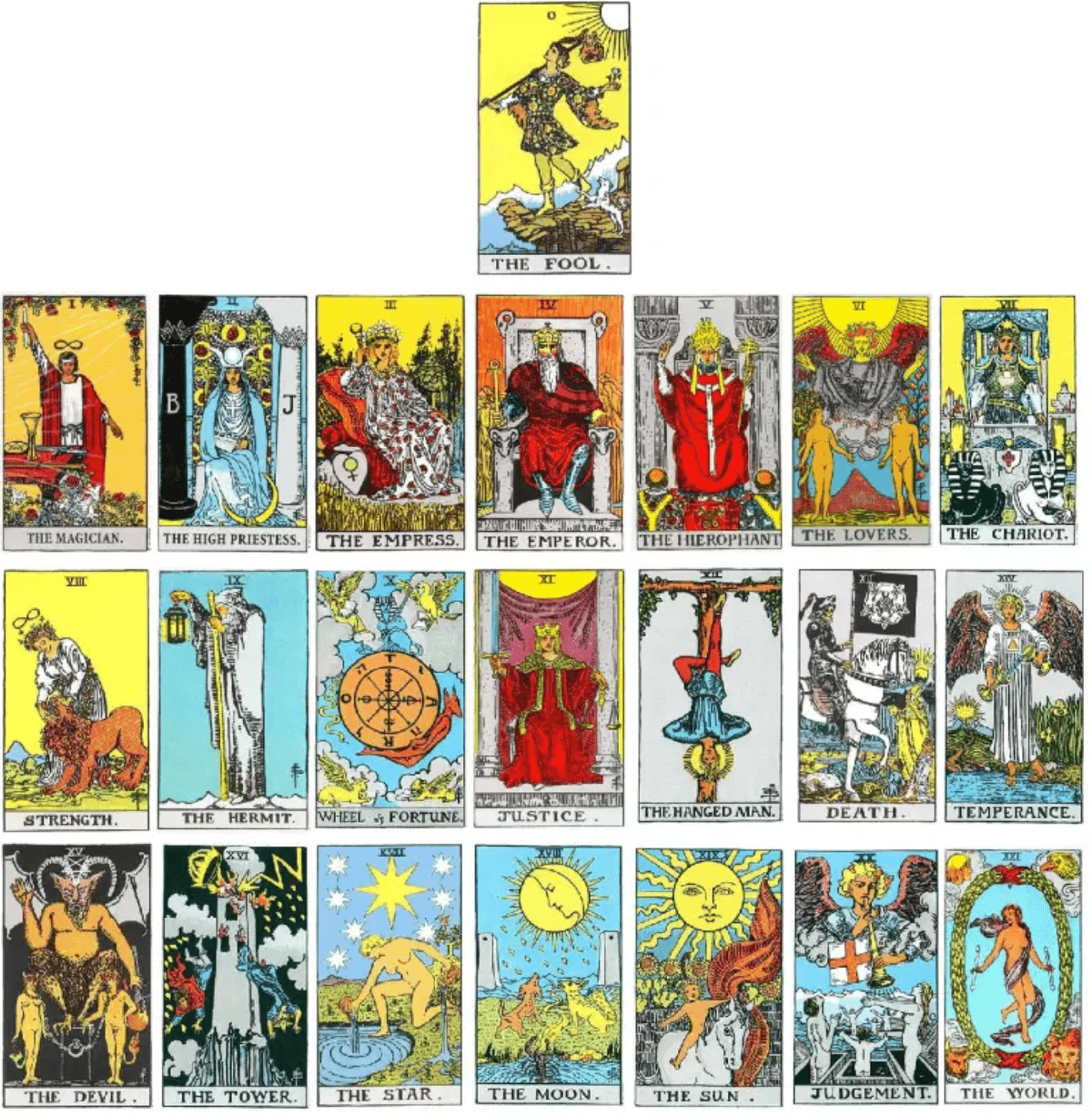
What actually happens when you draw a card? Professional readers emphasize that Tarot doesn't provide answers from a supernatural source. Instead, it acts as a mirror. The Rider-Waite deck, published in 1909, was revolutionary for illustrating all 78 cards in detail. This allows the reader and querent to use specific imagery to relate to their situation.
The cards contain symbols of life journeys, elements (water, fire, earth, air), and emotional states. When you ask a question, your mind is in a certain state. Drawing a card and observing its imagery triggers associations, helping you recognize hidden thoughts or desires. It's like looking into a mirror that reflects your inner self through symbols.
The Querent's Agency Determines "Accuracy"
Proponents of healthy Tarot, as shared on Dan tri newspaper, view it not as fortune-telling but as an art form and a method of mental healing. One young practitioner, Nguyen Thanh Hoa, says she doesn't believe 100% in the advice but only about 70-80%, filtering it through her own reality. This perspective is crucial.
If you treat Tarot as absolute prophecy, you risk becoming dependent and anxious. If you treat it as a suggestive tool, you remain proactive in decision-making. The advice from readers is to use Tarot for emotional balance and objective perspective. The final choice always lies with you.
Limits of a Reflective Tool
So, can Tarot be "accurate"? The answer depends on the definition. Tarot cannot precisely predict a specific event at a specific time. It cannot alter fate. Its limit is that it reflects the present state and potential based on current energy.
However, Tarot can be deeply "accurate" psychologically. It can resonate with your hidden worries and desires. The Tower card may not predict an accident, but it accurately reflects your feelings of instability. The Star doesn't promise a miracle, but it awakens hope within you.
Using Tarot Wisely
To use Tarot beneficially without falling into superstition, maintain a clear mindset. Don't deify the deck or depend on it for major life decisions. Approach it as a means for self-understanding and viewing problems from multiple angles.
As the Dan tri article advises, don't believe Tarot can "predict the future" or change your life. Enjoy it as an art form that teaches you about culture and aesthetics. Real change comes from your actions after a reading, when you use those insights to face reality and make your own choices.


