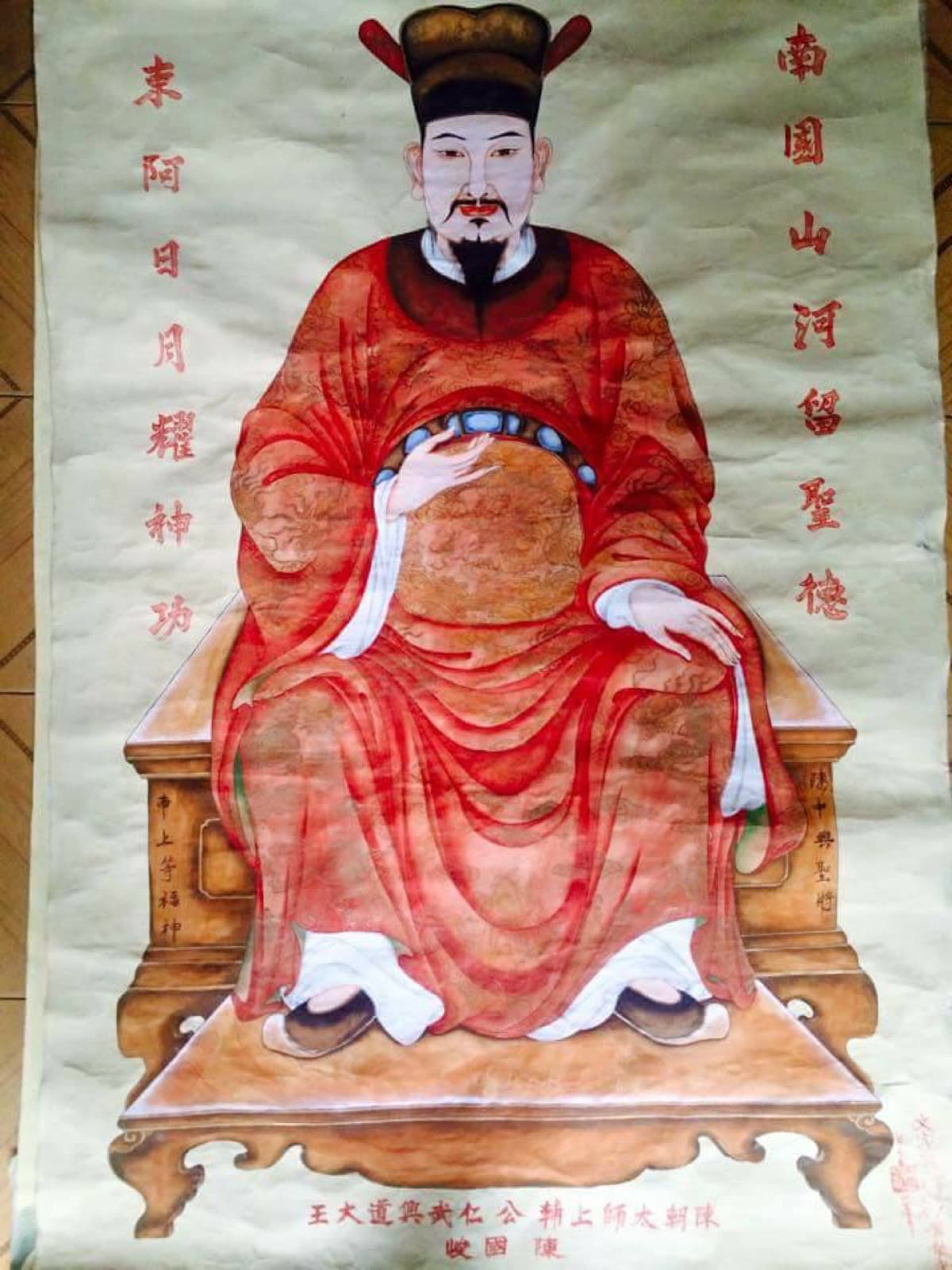
Life and Career of a Distinguished General
Ly Thuong Kiet (1019 - 1105) stands as one of the most exceptional military, political, and diplomatic figures in Vietnamese history. He served under three Ly Dynasty emperors: Ly Thai Tong, Ly Thanh Tong, and Ly Nhan Tong. His career is marked by glorious victories both in the north against the Song Dynasty and in the south against Champa.
Known for his strategic brilliance, Ly Thuong Kiet was not merely a battlefield commander but a visionary strategist. He embodied the ideal general, politician, and diplomat, leading the Dai Viet people to triumph over the Song and Champa forces.
The Historic Victory on the Nhu Nguyet River
In 1077, facing the threat of Song invasion, Ly Thuong Kiet devised a plan and directly commanded the Dai Viet forces on the Nhu Nguyet River defense line (now the Cau River). This strategic position was where he deployed troops to halt the northern invaders' advance.
The victory at Nhu Nguyet was a masterpiece of military art, showcasing Ly Thuong Kiet's tactical genius and deep understanding of the terrain. This triumph secured Dai Viet's independence. After his death, Emperor Ly Nhan Tong posthumously granted him the title of Grand Commandant (Thai Uy) and the rank of Viet Quoc Cong, reflecting the court's deep respect for his contributions.
The Temple Complex in Bac Ninh
To honor Ly Thuong Kiet's contributions, Bac Ninh province approved a project to build a temple complex in Tam Giang commune, Yen Phong district. The project includes 20 items with a total investment of over 254 billion VND from socialized funds, commencing on February 7, 2017.
The temple is located south of the historic Nhu Nguyet River (Cau River) dike. It has been recognized as a provincial-level historical relic. The inauguration ceremony for the temple and statue took place on April 1, 2018.
Architecture and Key Features
The temple complex features typical Ly Dynasty architecture, creating a solemn and harmonious space.
- Kieu Bridge and Tam Quan Gate: A stone bridge leads to the three-entrance gate.
- Stone Screen: Inside the gate, a stone screen is engraved with the poem "Nam Quoc Son Ha", a declaration of national sovereignty.
- Statue of Ly Thuong Kiet: A 9-meter tall bronze statue weighing 16 tons, with an inscription reading "Grand Commandant Ly Thuong Kiet (1019 - 1105)".
- Main Temple: Built on an area of 800m2, designed in the 'cong' (工) character shape with seven front compartments and five rear compartments.
Historical and Cultural Significance
The temple complex serves as a place for pilgrimage and remembrance, offering deep educational value. It plays a vital role in preserving cultural heritage and stands as an attractive destination for those exploring the nation's roots. Building this temple on the very site of the historic victory embodies the Vietnamese tradition of remembering and honoring ancestors, reminding future generations of the heroic past and the brilliant general who dedicated his life to defending the nation.