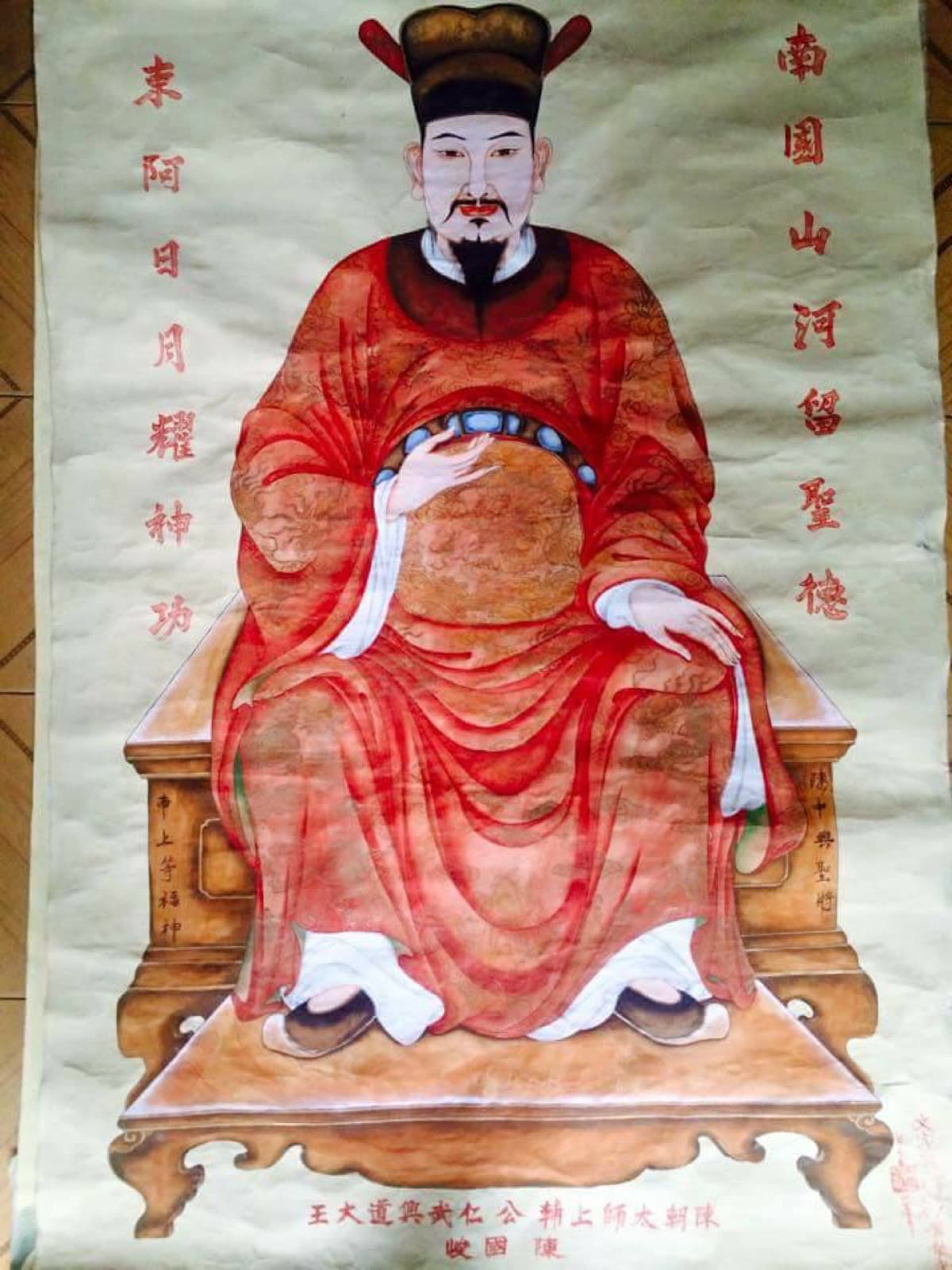
Introduction to the Worship of Ba Chua Kho
The worship of Ba Chua Kho is a distinctive spiritual cultural phenomenon of the Red River Delta region in general and Bac Ninh province in particular. It is not only a remembrance of a historical figure who served the country but also a place where people entrust their aspirations for a prosperous, lucky, and successful new year. Notably, the custom of "borrowing luck" at the beginning of the year at Ba Chua Kho Temple has become a typical religious activity, attracting tens of thousands of visitors and pilgrims each spring.
Historical Origins and Legends of Ba Chua Kho
Historical Context of the Ly Dynasty
According to historical records and folk legends, the story of Ba Chua Kho is linked to the resistance against the Song invaders by the Ly Dynasty army and people in 1077. This was one of the largest battles in Vietnam's feudal history, marking the glorious victory on the Nhu Nguyet River defense line led by Ly Thuong Kiet. In a time of national crisis, ensuring logistics and food supplies for the army was a vital task.
Legend of the Girl from Qua Cam Village
Legend has it that in Qua Cam village (now in the Bac Ninh area), there was a girl renowned for her capability, intelligence, and compassion. She made significant contributions to organizing production, managing, and storing food, helping people avoid famine and supporting the army during difficult times. Recognizing her management talent and prestige, the Ly court entrusted her with the important task of guarding the national granary located on Kho Mountain.
Sacrifice and Deification
According to the divine records, on the 12th day of the first lunar month in the year Dinh Ty (1077), while distributing food to relieve hunger among the people, she was killed by enemy soldiers. Her sacrifice was a great loss, demonstrating a high sense of responsibility and devotion to the people and the nation. To commemorate her great contributions, the court conferred on her the title of Blessing Spirit and allowed the people to build a temple on the site of the former granary. The temple was built on the slope of Kho Mountain, in Co Me hamlet (now Co Me residential area, Vu Ninh ward, Bac Ninh city). The people respectfully call her "Chu kho linh tu" and honor her as Ba Chua Kho.
Ba Chua Kho Temple: Architecture and Heritage Value
Geographical Location and Recognition
Ba Chua Kho Temple is situated on the slope of Kho Mountain, a beautiful and airy location in the ancient Kinh Bac region. In 1989, this historical and architectural-artistic relic was recognized as a national historical-cultural monument by the State. This recognition not only affirms the temple's significant historical and cultural value but also serves as an important legal basis for the preservation and promotion of heritage values.
Architectural and Cultural Value
The temple is a typical architectural work of the Kinh Bac region, bearing the marks of sculpture and wood carving from past centuries. The temple space includes various structures such as the front worship hall, the middle hall, and the inner sanctuary, with horizontal lacquered boards, parallel sentences, and worship statues arranged in a solemn manner. In addition to architectural value, the temple preserves many precious artifacts that contribute significantly to the study of the region's history, culture, and art.
The Year-Opening Custom of Borrowing Luck: Meaning and Rituals
Origin and Philosophy of the Custom
The custom of borrowing luck at the beginning of the year at Ba Chua Kho Temple is a long-standing folk practice, reflecting farmers' aspirations for a bountiful harvest and a prosperous year. "Borrowing" here carries a symbolic meaning, not an ordinary material loan. Pilgrims often ask for a small amount of lucky money, salt, rice, or small items from the altar to bring home, believing that this is the "luck" granted by Ba Chua Kho, helping them encounter good fortune and successful business in the new year.
How the Borrowing Luck Ritual Is Performed
The ritual of borrowing luck is usually performed after offering incense and praying. Pilgrims sincerely ask Ba Chua Kho for permission before receiving a small amount of luck from the altar. This luck is often kept carefully, possibly used as initial capital or placed on the family ancestral altar. What matters most is the sincerity and devotion of each person. Many believe that "borrowing" a certain amount is less important than maintaining trust, conducting honest business, and sharing with the community.
Ritual of Distributing Food and Dispensing Luck at the Festival
Within the framework of the annual traditional festival, the ritual of "distributing food and dispensing luck" by Ba Chua Kho is an important highlight. This ritual reenacts the image of Ba Chua Kho in the past distributing food to relieve hunger among the people. Cultural researchers believe that this ritual not only has spiritual meaning but also serves as a link between the past and the present, reminding of the tradition of "guarding the granary, guarding the country" and the spirit of mutual support and love of the nation.
Ba Chua Kho Temple Festival Today
Scale and Time of Organization
The Ba Chua Kho Temple Festival is usually held over a long period, from around the 25th day of the 12th lunar month of the previous year until the end of the first lunar month of the new year. This allows a large number of people and visitors from all over to arrange time to attend the festival. According to information from the opening ceremony in 2026, the festival runs from February 12 to March 18, 2026 (i.e., from the 25th day of the 12th month of the At Ty year to the 30th day of the first month of the Binh Ngo year), showing its expanding scale.
Main Activities in the Festival
The ritual part is held solemnly with traditional ceremonies such as reading congratulatory texts, beating drums and gongs to open the festival, and offering incense in reverence. In addition, the festive part includes various cultural and artistic activities such as performances of Quan Ho folk songs, ca tru, cheo, tuong, a rice cooking contest, folk games, and calligraphy performances at the beginning of spring. These activities not only create a joyful and exciting atmosphere for the people but also contribute to preserving and promoting the intangible cultural values of the Kinh Bac region.
Connection with Tourism Development
In recent years, the Ba Chua Kho Temple Festival has not only been a spiritual event but also become a distinctive tourism product of Bac Ninh province. Organizing culinary weeks, introducing craft village products, and promoting the image of the Quan Ho region have attracted a large number of domestic and international visitors. This shows a harmonious combination of heritage preservation and sustainable economic and tourism development, contributing to affirming Vu Ninh's position as a typical spiritual cultural destination.
Cultural Perspective and Humanistic Values
The Intersection of History and Spirituality
The worship of Ba Chua Kho is a typical example of the close intersection between historical elements and the spiritual life of the Vietnamese people. The real historical figure has been sanctified by the people, becoming a symbol of blessing and protection. Worship is not only a remembrance but also a way for people to connect with the past and the good moral values of their ancestors.
Humanistic Meaning of the Borrowing Luck Custom
From a cultural perspective, the custom of borrowing luck at the beginning of the year reflects a positive life philosophy of the Vietnamese: always looking toward the future with faith and hope. "Borrowing luck" is not a superstitious act but a way for each person to create motivation and confidence for themselves in the new year. It reminds each person of diligence, hard work, and a sense of responsibility in labor and production to be able to "repay the luck" and achieve success.
Objective View of the Belief
It should be affirmed that the worship of Ba Chua Kho is a beautiful cultural feature that needs to be respected and preserved. However, each citizen and visitor should have an objective, scientific view, avoiding falling into superstition. Attending the temple and borrowing luck should be done with a sincere heart, combined with efforts to strive in daily life. That is the way this belief can promote its most positive values in modern life.


