Context: fortune telling returns through the phone screen
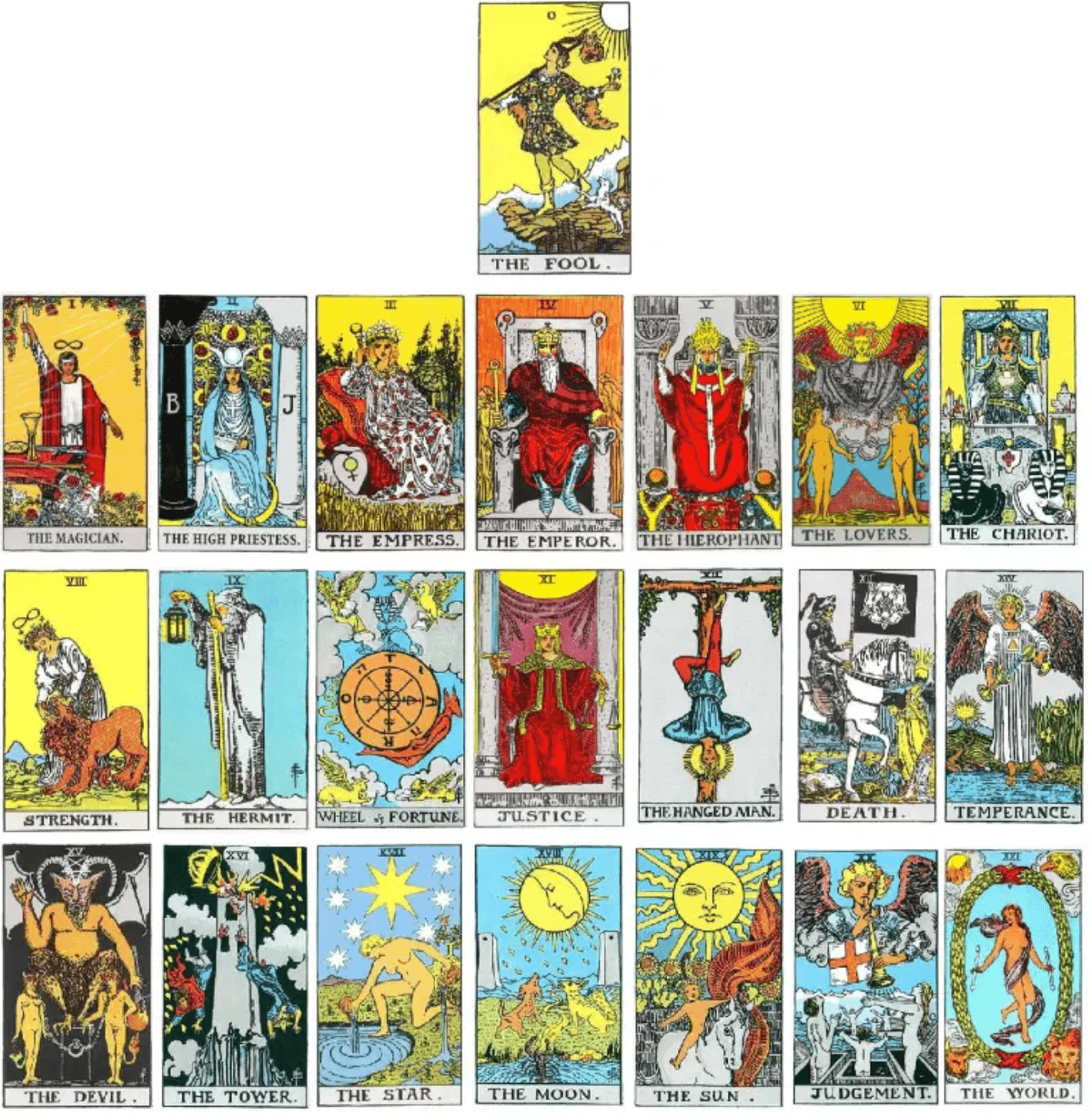
In recent years, fortune telling has not disappeared but shifted into a new form: online. Social media is filled with fortune-telling and tarot groups with thousands of members, alongside attractive advertisements such as "A reputable reading channel that has helped more than 30,000 clients answer their questions" and "A Tarot shop confident in answering every issue from love, family and work to finance". With just a few clicks, users can find dozens of accounts offering palm reading, card reading, mole reading and astrology.
Notably, the customer base of these services is not only older people. Many young people, who are exposed to new knowledge and technology, are the group that turns to fortune telling quite often. So what is happening behind that habit?
Pressure and uncertainty: fertile ground for fortune telling
According to sharing on Suc khoe va Doi song newspaper, turning to fortune-telling places or online fortune telling in the hope of finding solutions to relieve feelings of depression, overcome difficulties at work or cope with pressure from life's problems is now a common situation among many young people.
Nguyen Thanh Hang (24, Thanh Xuan, Hanoi) shared that whenever she faces stress and pressure in study and work, she goes online to find a fortune-telling address to relieve her emotions. She said she is very curious about the future, especially when her mood is bad, and online fortune telling helps her feel more comfortable, with no travel time and the ability to consult whenever she wants.
In another case, Nguyen Thu Uyen (21, Dong Da, Hanoi) said she and her friends also often go for readings, especially playing-card readings, and whenever they feel sad and depressed they invite each other to go. She admitted: if the reader says good things, her mood is much better, but there were also quite a few times when she felt worse afterward, yet she still likes fortune telling and does not know why.
That confession, "I don't know why", is very telling. It shows that fortune-telling behavior among young people is not purely a rational choice, but a psychological response to stress and uncertainty. When the future is unclear, people tend to look for any structure that helps them feel they can control the situation, even if that structure comes from cards or the pronouncements of someone claiming special abilities.
Why pressure pushes young people toward fortune telling
- The need for immediate anxiety relief: fortune telling creates the feeling that there is an answer to nagging questions, even if that answer may not be correct.
- The need to be heard: a fortune-telling session often includes telling one's story and confiding, something young people do not always have the conditions to do with relatives or professionals.
- The need for emotional support: adolescent psychotherapy consultant Le The Hanh commented that spirituality gives young people some emotional support, helping them feel more secure, balanced and emotionally stable.
The Barnum effect: why vague pronouncements still seem "true"
There is an obvious paradox: many fortune tellers' pronouncements are very general and vague, and anyone reading them feels they seem true for themselves. Lawyer Quach Thanh Luc (Director of Phap tri Law Company, Hanoi Bar Association) commented on Dan tri newspaper that online fortune telling is just a psychological trick, giving general messages and descriptions. Ambiguous, evasive words of praise and blame make some people excitedly abandon their work, while others become complacent because the "master" predicted luck this year, fortune coming into the house on its own, no need to work yet still having food, the fate of an official.
In psychology, this phenomenon is usually explained by the Barnum effect (also called the Forer effect). This is the tendency of people to accept general, vague descriptions of personality or destiny as if they were written specifically for them, and to rate them as highly accurate. This mechanism has several components:
- The universality of the description: statements such as "you have much potential not yet fully used" or "sometimes you are confident but sometimes you doubt yourself" are true for almost everyone.
- Confirmation bias: once people believe a pronouncement, they tend to remember events that match it and ignore those that do not.
- The authority effect: the person giving the pronouncement is granted psychological authority, making their words carry more weight than reality warrants.
Therefore, an "online fortune teller" only needs to make a few general statements to create the feeling of having "predicted correctly". Repeated many times, that feeling reinforces belief, even though the information is not truly personalized.
From psychological effect to consumer behavior
The Barnum effect does not stop at the feeling of being "right". It also opens the way for accompanying consumer behaviors:
- Paying to see a full interpretation of every area from money to health, career and misfortune.
- Buying wealth rings, feng shui bracelets or love-attracting oils sold by the "master" or from a place they designate.
- Joining courses with tuition from 10 million dong per course, with a promise of "starting practice soon".
According to a survey cited in Nhan Dan newspaper, tarot reading services cost from 25,000 to 100,000 dong per session, with some places accepting "pay as you wish"; experienced tarot readers usually charge from 100,000 to 400,000 dong, based on the number of questions or time; astrology services are priced higher, from 500,000 to 3,000,000 dong per reading.
The boundary between predictive science and fortune telling
According to Dr. Tran Doan Lam, cultural researcher and Director of The Gioi Publishing House, when young people encounter depressing events and difficult problems in life, turning to fortune telling can help them feel more psychologically reassured, but it cannot be denied that there are cases where fortune telling makes the reader more unstable and fearful.
With positive pronouncements, if one only listens for reference, it may not affect the listener's psychology and will to strive. But if one believes too much in the pronouncements of people who claim the ability to predict and know the future, in the long run it will greatly affect young people's thinking, and many will leave their fate to the judgment of a fortune teller or the illusion of cards.
He further emphasized: people are always curious and like to learn about their lives, curiosity has been human nature from past to present, but if one depends too much on fortune telling it will erode the ability to master one's life, possibly leading to reliance on the fortune teller's words, loss of autonomy, and too much dependence on fate and fortune-telling pronouncements.
This is a point that needs clear distinction: predictive science is based on data, models and probability, while fortune telling is purely based on belief in unverifiable supernatural abilities. For young people, who are regularly exposed to new knowledge, clearly recognizing this boundary is necessary to avoid letting others' pronouncements affect their lifestyle, beliefs and faith.
Specific risks of online fortune telling
Financial and fraud risks
In Nhan Dan newspaper, T.P.L (Ba Dinh district, Hanoi) recounted: she once chose a reputable tarot page on Facebook with high engagement, trusted it and transferred full payment before receiving the service. After transferring the money, she was blocked from contact and only then realized she had been scammed.
Beyond fortune telling and online ritual resolution, many individuals also exploit trust for profit by selling items claimed to bring luck, peace or exorcism. These items are often labeled "enchanted", "spiritually energized" or "consecrated". In reality, according to press reports, these advertisements have no scientific basis and are purely fraudulent; the items are essentially ordinary objects of unknown origin.
Psychological risks
As Dr. Tran Doan Lam pointed out, not every fortune-telling session brings relief. There are cases where fortune telling makes the reader more unstable and fearful. In Dan tri newspaper, lawyer Quach Thanh Luc also noted that after gaining trust, scammers often say disastrous things that make the reader lose sleep and appetite, then seek out "mediums" to perform rituals to resolve misfortune and bad luck.
Personal data risks
According to Dan tri newspaper, some people think online fortune telling is just for fun and costs nothing, but in reality thousands of pieces of personal information are made public and shared in groups, and may well be exploited by bad actors. Nhan Dan newspaper also warned that personal information such as name, phone number and address that users share with "online fortune tellers" can be used for extortion, defamation or bad purposes.
Legal perspective and community responsibility
According to lawyer Quach Thanh Luc, fortune telling and superstition are social evils that need to be eliminated. Article 8 of the Law on Cybersecurity strictly prohibits the use of cyberspace to carry out social evils, destroy the nation's fine customs and traditions, social morality and community health.
Besides being administratively sanctioned under Point d, Clause 7, Article 14 of Decree 38/2021/ND-CP with fines from 15,000,000 to 20,000,000 dong for organizing superstitious activities, practitioners can also face criminal liability under Article 320 of the Penal Code on the crime of practicing superstition, with imprisonment from 3 to 10 years.
From a management perspective, the shift of fortune telling to the online environment makes it harder for authorities to control. Dan tri newspaper cited a directive requiring localities to prevent profiteering and counter-cultural activities; distorted, deviant and profiteering belief activities must be handled; and superstition, star-offering rituals, spirit calling, ghost worship and worship of karmic creditors at belief and religious facilities must not occur.
A healthier approach to spiritual needs
Expert Le The Hanh emphasized that to approach spirituality in a healthy way, young people need to improve their ability to sense and analyze, thereby recognizing whether belief in the occult helps balance and uplift the mind or only increases anxiety and stress about resolving their bad luck.
A few practical principles can be drawn from the above analyses:
- Treat fortune telling as a conscious entertainment activity: listen for reference, do not turn pronouncements into guidance for major decisions about career, finance or love.
- Check your emotions after each session: if you feel more anxious, sleepless or confused, that is a sign to stop.
- Protect personal information: limit sharing name, phone number, address and identity documents with accounts of unknown origin.
- Find suitable support channels: when pressure persists, talking with trusted relatives, friends or official psychological counseling services is usually more helpful than entrusting answers to baseless pronouncements.
As Dan tri newspaper concluded, in any case good things and luck only come to each person when they have positive thinking, right actions and a healthy lifestyle. In other words, young people turning to fortune telling is an understandable social-psychological phenomenon, but the most sustainable way to overcome pressure and uncertainty is still to build one's own capacity for autonomy.