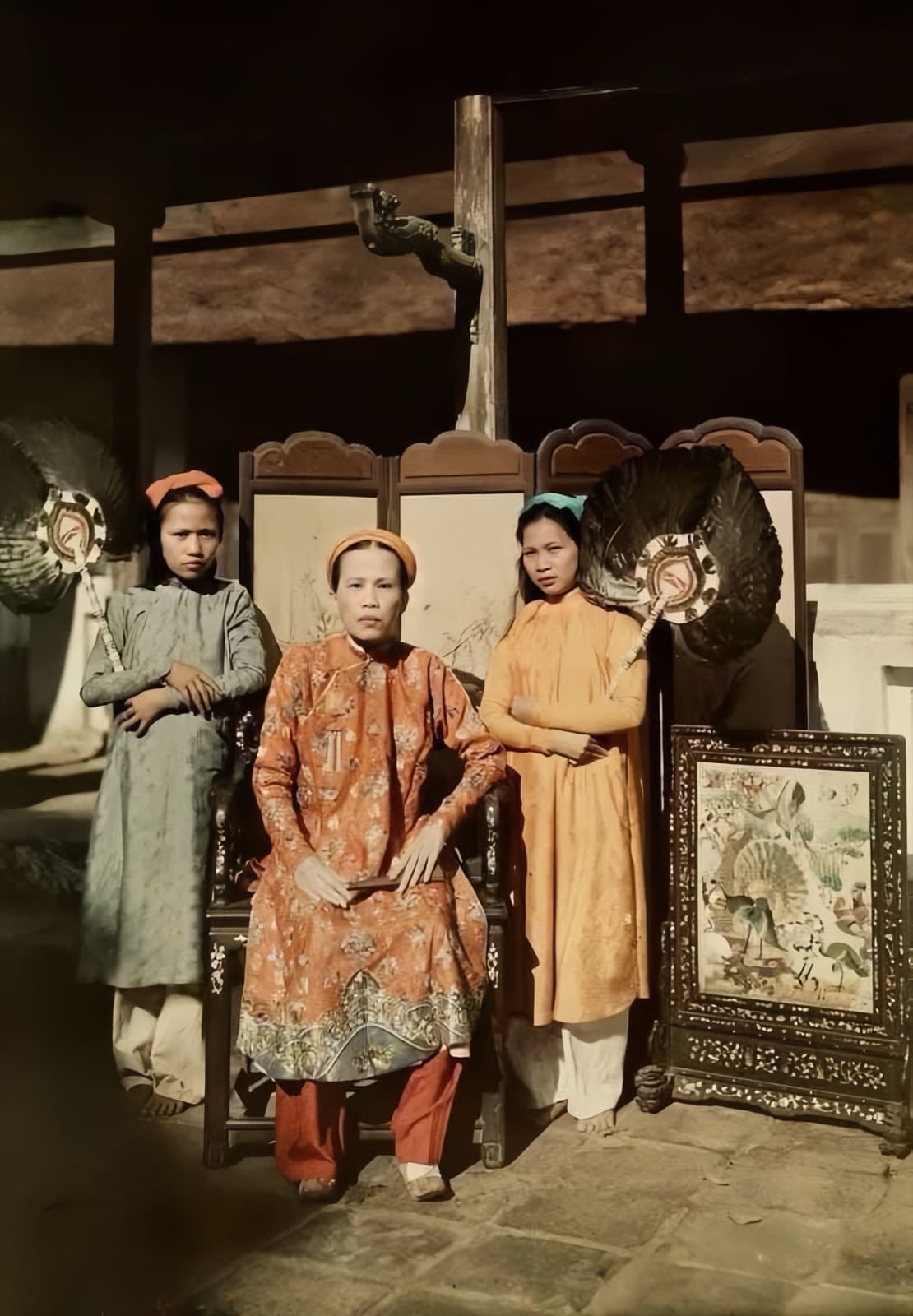
Ao Ba Ba: A Cultural Icon of Southern Vietnam
In the rich cultural tapestry of Vietnam, the Ao Ba Ba stands out as a simple yet profound symbol. It is more than just clothing; it is a historical witness and the embodiment of the soul of the people from the Mekong Delta region.
Origins and Historical Theories
The exact origin of Ao Ba Ba remains a topic of debate. A widely accepted theory suggests it evolved from the short-flap Ao Dai (ao dai vạt lửng) brought by Vietnamese settlers during the southern land reclamation in the 17th century. To suit the heavy labor and humid climate, the long flaps and high collar of the Ao Dai were modified for comfort and practicality.
Another theory proposes the name comes from the French word "baba" or the attire of Malay or Javanese people. Regardless of its origin, the Ao Ba Ba was embraced by the Southern people and became an integral part of their identity.
Design Features and Materials
Unlike the elegant Ao Dai with its flowing panels, the Ao Ba Ba is characterized by its simplicity and practicality:
- Style: It features set-in sleeves and a straight-cut body. Over time, it has been modernized with darts for a more fitted look while remaining comfortable.
- Collar: Typically a round neckline or a slightly raised collar, offering both softness and formality.
- Buttons: Often fabric-covered buttons that match the shirt for a refined look.
- Materials: Originally made from coarse cotton or homespun fabric, it is now crafted from various materials including soft cotton, breathable linen, and luxurious silk.
Cultural Significance
The Ao Ba Ba is more than just a garment; it reflects the character of the Southern Vietnamese people.
- Simplicity: Its earthy colors like brown, black, and white reflect the honest and unpretentious nature of the people.
- Adaptability: Its evolution from the Ao Dai demonstrates the ability to adapt to new environments while retaining core cultural values.
- Beauty of Women: The Ao Ba Ba highlights the gentle yet strong beauty of Southern women. They can engage in farming or even warfare with ease. The image of a Mekong Delta girl in her Ao Ba Ba, conical hat, and checkered scarf is iconic.
- Historical Value: During wartime, the Ao Ba Ba was associated with heroic female guerrillas and messengers, becoming a symbol of resilience and patriotism.
Ao Ba Ba in the Modern Era
Far from being forgotten, the Ao Ba Ba thrives today. Modern designers have reimagined it with:
- New Materials: Using luxurious fabrics like silk and satin with modern patterns.
- Design Innovations: Altering collars and sleeves, and adding details like lace or embroidery.
- Fashion Pairings: Styling it with wide-leg pants, jeans, or skirts.
The Ao Ba Ba now appears in daily life, cultural events, and festivals. It stands alongside the Ao Dai as a proud symbol of Vietnamese heritage, weaving the song of the homeland into the future.


