General introduction to Do Temple and its festival
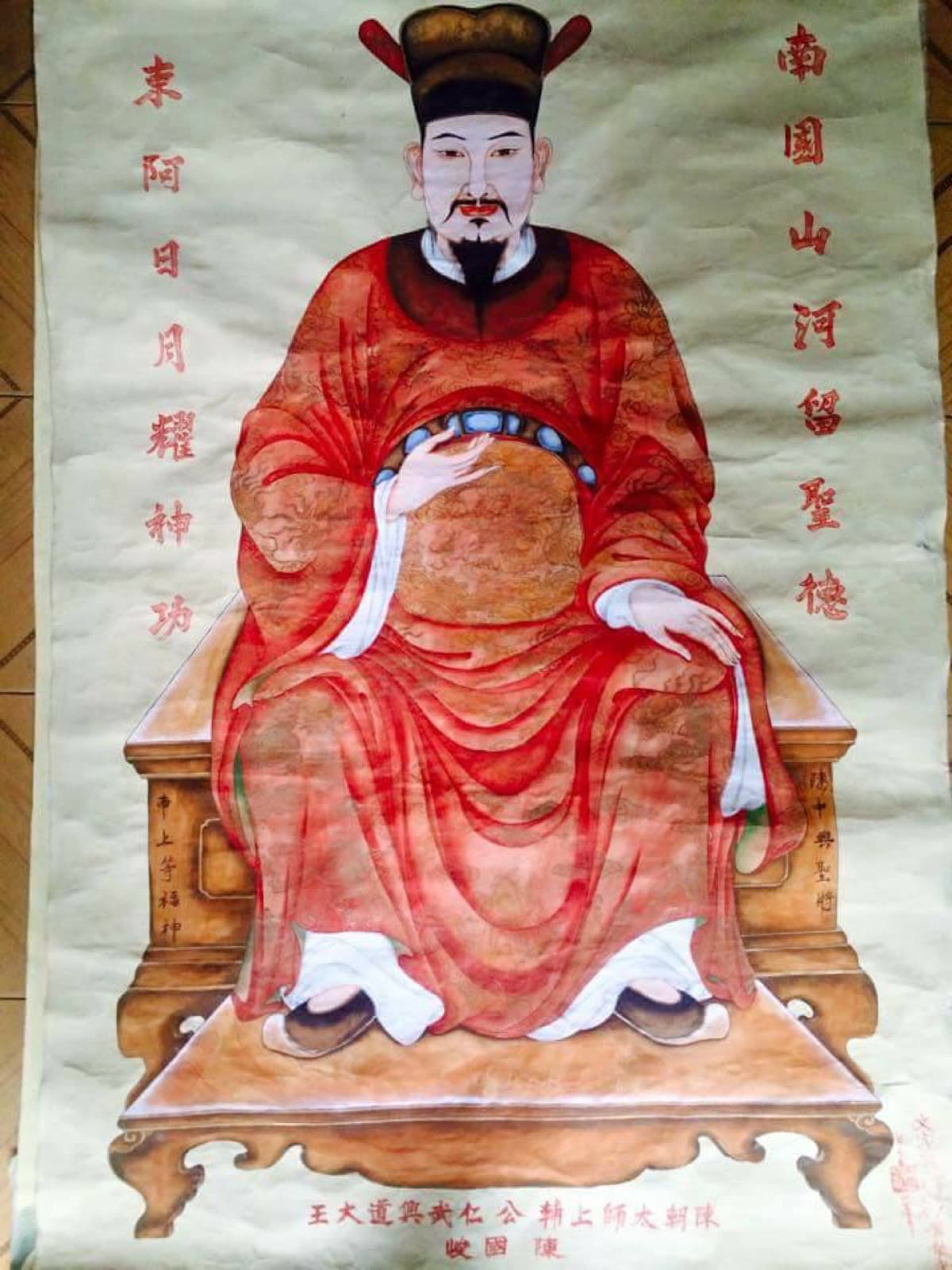
Do Temple, also known as Ly Bat De Temple or Co Phap Dien, is an important historical relic complex located in Thuong quarter, Tu Son ward, Bac Ninh province. Built in the 11th century, the temple worships 8 Ly Dynasty kings: Ly Thai To, Ly Thai Tong, Ly Thanh Tong, Ly Nhan Tong, Ly Than Tong, Ly Anh Tong, Ly Cao Tong, and Ly Hue Tong. In 2014, the mausoleum complex and temples of Ly Dynasty kings were recognized as Special National Relics by the Prime Minister, affirming the site's great historical and cultural value.
Every year, on the 15th day of the third lunar month, locals, pilgrims, and descendants of the Ly family gather for the Do Temple Festival. The festival commemorates the coronation of King Ly Thai To (in 1010), honoring the Ly Dynasty kings who established the capital at Thang Long, built a civilized foundation, and opened a brilliant and prosperous era in the nation's history.
Origins and historical significance
The Ly Dynasty and the cause of establishing the capital at Thang Long
The Ly Dynasty was founded in 1009 when Ly Cong Uan ascended the throne, adopting the reign title Thuan Thien. One of his most important decisions was moving the capital from Hoa Lu (Ninh Binh) to Dai La, later renamed Thang Long (now Hanoi). This event is recorded in the Edict on Moving the Capital, a famous historical document showing strategic vision and the desire to build a sustainable and prosperous capital for generations.
The Ly Dynasty kings and their great contributions
The Ly Dynasty lasted over 200 years with 8 kings, each contributing to national development. Ly Thai To (Ly Cong Uan) founded the dynasty, laying the foundation for a strong centralized government. Ly Thai Tong (Ly Phat Ma) continued to consolidate the country and expand territory southward. Ly Thanh Tong (Ly Nhat Ton) is known for changing the national name to Dai Viet, reflecting strong national consciousness. Ly Nhan Tong (Ly Can Duc) reigned the longest, during which culture and education flourished with the first imperial examination and the construction of Van Mieu Quoc Tu Giam.
Later kings, such as Ly Than Tong, Ly Anh Tong, Ly Cao Tong, and Ly Hue Tong, also made certain contributions, although the dynasty gradually weakened in its final period. The Do Temple Festival is an occasion for people to remember and honor the collective merits of these kings.
Time and venue of the festival
The Do Temple Festival is held over 3 days, from the 14th to the 16th of the third lunar month annually, with the main day on the 15th. The main venue is the special national relic site of Do Temple in Tu Son ward, Bac Ninh province. In recent years, the festival often coincides with the major holiday period (April 30 - May 1), thus attracting many visitors from everywhere.
For example, the 2026 festival runs from April 30 to May 2 in the solar calendar, i.e., from the 14th to 16th of the third lunar month in the year of Binh Ngo. This marks the 1016th anniversary of King Ly Thai To's coronation (1010 - 2026). The scale has been expanded with a fair and pedestrian streets outside the relic, in the ward center, offering rich entertainment and experiences.
Main rituals and activities during the festival
Ritual part: Solemn and sacred ceremonies
The ritual part includes many important ceremonies steeped in tradition and spirituality. A highlight is the palanquin procession of the Holy Mother and kings' palanquins from Ung Tam Pagoda to Do Temple. The procession involves many locals, visitors, and representatives of the Ly clan from Korea and twinned localities, creating a solemn and reverent atmosphere.
An indispensable ritual is the reenactment of King Ly Thai To's Edict on Moving the Capital. This ceremony recreates the historic event when Ly Cong Uan decided to move the capital from Hoa Lu to Thang Long, evoking national pride and educating younger generations about patriotism. The ceremony takes place in the temple's solemn space, attended by delegates, provincial and ward leaders, and many people.
Festival part: Lively and rich in identity
After the solemn rituals, the festival becomes lively with cultural activities and folk games. Visitors can enjoy Quan Ho folk singing on dragon boats at the crescent lake, a typical art form of the Kinh Bac region. Water puppet performances of Dong Ngu also attract large audiences.
Folk games such as clay-pot rice cooking contests, banh phu the wrapping contests, chess matches, to tom diem, and traditional wrestling are held widely, creating a joyful atmosphere. These activities are not only entertaining but also help preserve and promote traditional cultural values.
Side activities and tourism experiences
Within the festival, many side activities offer richer experiences. Pedestrian streets around Ly Thai To Park open, along with an OCOP product fair and a culinary tourism festival. Visitors can explore exhibitions of antiques at the Nam Hong Royal Museum or the opening of a ornamental creature exhibition.
Another interesting experience is the Hanoi 5-city-gate train, taking visitors from the capital to Bac Ninh, crossing the over-100-year-old Long Bien Bridge over the Red River and a railway bridge over the Duong River. This journey helps visitors immerse in the festival atmosphere and enjoy historic architectural structures.
Cultural and spiritual values of the festival
The Do Temple Festival is not only a time to remember the Ly kings' merits but also a symbol of the tradition of "remembering the source when drinking water," a long-standing cultural beauty of the Vietnamese people. The festival fosters national pride and educates youth about the nation's glorious history.
For locals and visitors, participating also expresses reverence and prayers for peace and luck for themselves and families. The temple's sacred space and solemn rituals create a profound spiritual experience, connecting people with their roots.
Organization and relic preservation
The festival is organized with increasing professionalism. The organizing committee sets up subcommittees with specific tasks, focusing on security, traffic safety, fire prevention, food safety, and environmental hygiene. Propaganda encourages civilized lifestyles, cleanliness, and protection of the relic landscape.
Restoration and embellishment of Do Temple are also prioritized. In 2026, Tu Son ward completed phase 1 of restoration with a total investment of over 73 billion VND, covering 16 items such as the communal house, pre-ritual house, relay house, rear palace, stele house, mother worship house, votive burning hut, side gates, palanquin and horse house, and technical infrastructure. Designs respect the original elements, making Do Temple more spacious and majestic while retaining its ancient and sacred character.
Conclusion
The Do Temple Festival is a precious cultural heritage of the nation, converging deep historical, cultural, and spiritual values. Maintaining and promoting the festival not only expresses gratitude to ancestors but also promotes Vietnam's image to international friends. Each festival season, tens of thousands of visitors gather here, immerse in the sacred space, review the nation's glorious history, and feel more love and pride for their homeland.


