Ancestral Worship Trays: A Mirror of Regional Culture
For Vietnamese people, ancestor worship is a profound spiritual cultural beauty, and the worship tray is the sacred link between the living and the dead. More than just a meal, the worship tray is a colorful cultural story, containing messages and philosophies of life through each dish and arrangement. Depending on geography, history, and the character of each region, worship trays have their own distinct features.
Northern Worship Tray: Formal and Sophisticated
The Northern tray, typically from Hanoi, is considered the standard of formality. Dishes are arranged in a strict structure of 4 bowls and 4 plates; larger feasts can have 6 or 8 of each, sometimes stacked in 2 or 3 tiers on wooden or bronze trays, showing respect for ancestors.
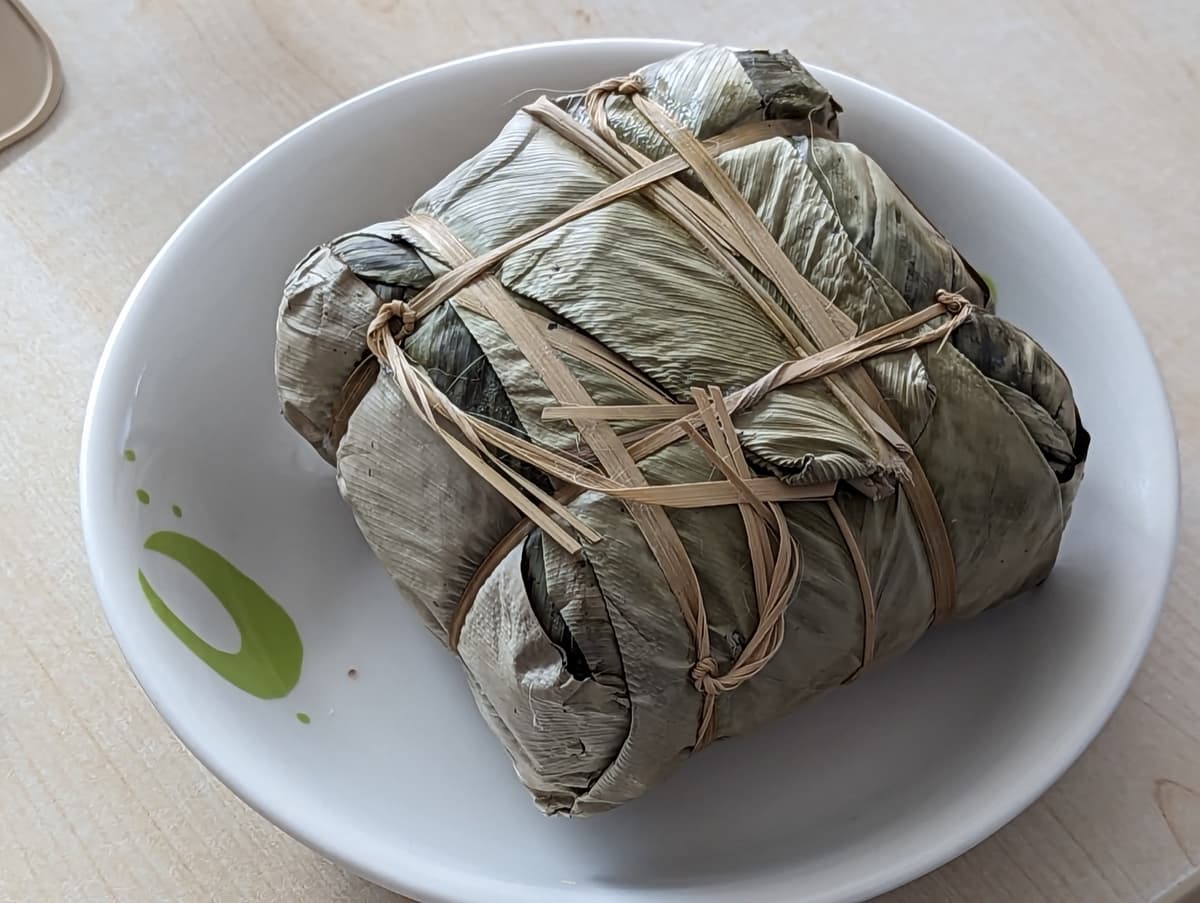
The four bowls are the soul of the tray, featuring elaborate dishes like jellyfish soup, mushroom meatball soup, or braised pork hock with bamboo shoots. Wealthier families might add delicacies like bird's nest or sea cucumber. The four plates usually consist of boiled chicken, pork, pork roll, and cinnamon sausage, along with spring rolls, pork jelly, or pickles. Chung cake is essential, eaten with pickled onions.
Central Worship Tray: Grand and Distinctive
The Central tray, especially from Hue, is known for its grandeur and liberality. Not bound by the number of dishes, it often features many items, showcasing the host's prosperity. The tray typically includes dishes prepared in four main ways: kho (braised), nau (simmered), thau (mixed with sour dressing), and tron (mixed salad), plus fried, steamed, or grilled dishes. Ingredients range from poultry and livestock to seafood.
A unique feature is the presence of both chung cake (from the North) and tet cake (influenced by Cham culture), symbolizing yin and yang. Dishes like braised shrimp and pork, simmered chicken with lotus seeds, or beef and starfruit salad are common. The tray is never without appetizers like nem, cha, or tre.
Southern Worship Tray: Liberal and Refined
Unlike the elaborate trays of the other regions, the Southern tray embodies a liberal spirit. It is simpler but still refined and meaningful. Essential dishes include pork braised in coconut water with eggs (served with pickled bean sprouts) and bitter melon soup stuffed with meat, symbolizing the wish for the hardships of the old year to pass.
Cold dishes like lotus stem salad, shrimp crackers, spring rolls, and dried sausage are also popular. The dish 'cu lao' is a highlight, representing the cultural fusion of Vietnamese, Chinese, and Khmer cuisines. Tet cake is a specialty with various colors and fillings. The skill of Southern cooks is shown in balancing yin and yang by adding chili to the braised pork, creating an appetizing amber color.
Shared Similarities Across the Three Regions
Despite regional differences, there are common points. Traditionally, beef was not used in worship trays until the early 20th century under Western influence. Rice and sticky rice are indispensable, and every tray includes a small bowl of pure fish sauce for dipping, respecting traditional flavors.
Today, worship trays have evolved with new dishes from other cuisines. However, the core value of remembrance and gratitude towards ancestors remains preserved, making the worship tray a vital cultural thread connecting generations.