A Wedding Feast of Blessings
In Vietnamese culture, a wedding is not just a celebration of two individuals but a union of two families. Therefore, the traditional wedding feast is prepared with great care, as each dish is believed to carry a blessing for the newlyweds.
Red Sticky Rice (Xôi Gấc): A Symbol of Completeness
Red sticky rice is an indispensable dish, often placed at the center of the feast. The natural red color of gấc fruit symbolizes passionate love and a perfect, complete marriage. The harmony of sticky rice, gấc, and mung bean represents a balanced and harmonious life together. This dish is also used in other celebrations like Tết and longevity ceremonies.
Boiled Chicken (Gà Luộc): Wishes for Warmth and Prosperity
Boiled chicken symbolizes warmth, prosperity, and happiness. The image of a whole chicken represents a fresh start and vitality. Its presence on the wedding tray is a wish for the couple to have a comfortable and peaceful family life.
Pork Rolls (Giò Chả): A Promise of Fidelity
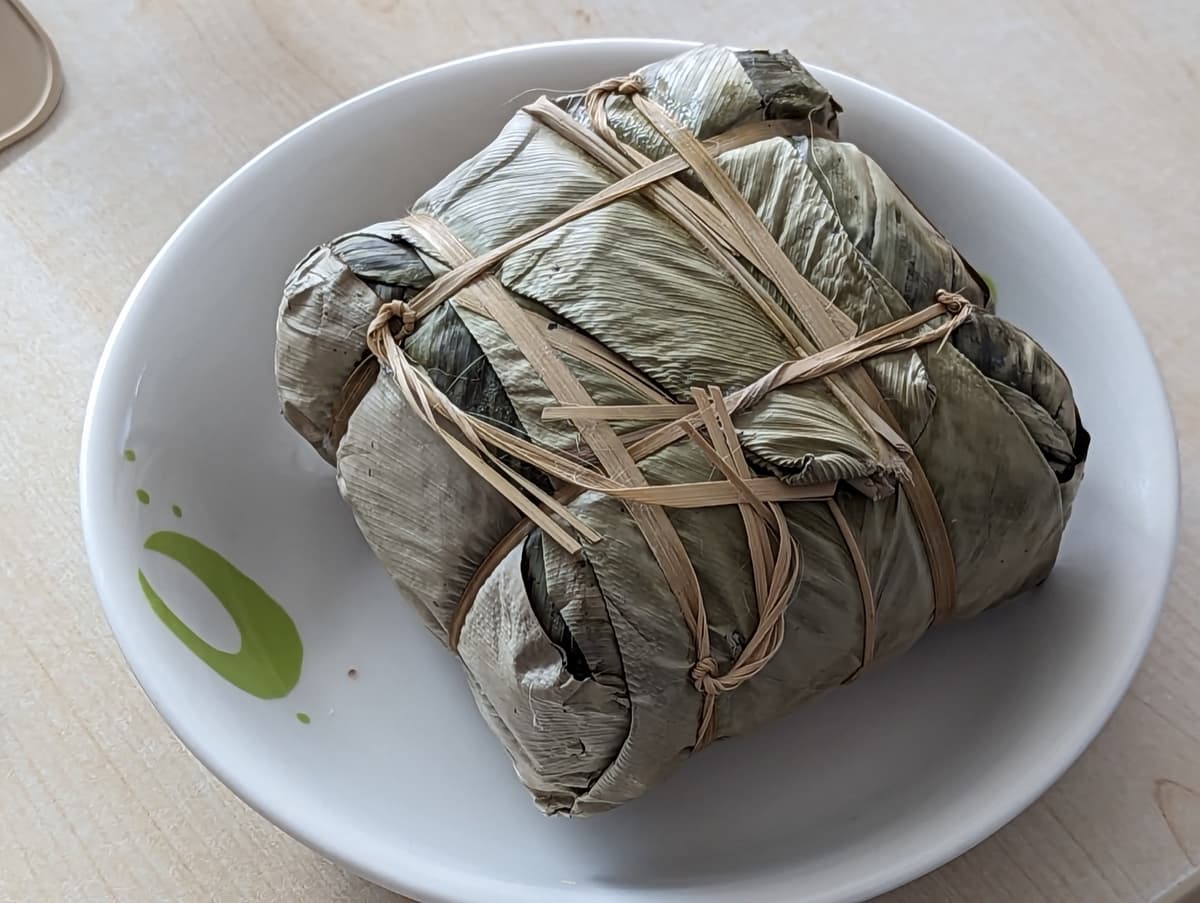
Giò (pork roll) and chả (spiced pork roll) are inseparable on the wedding tray. They are often sliced and arranged beautifully, sometimes in the shape of an 8-pointed star for luck. Their placement next to each other reminds the couple of their commitment to fidelity. The pork roll wrapped in banana leaves symbolizes a family that shelters and nurtures love.
Fried Spring Rolls (Nem Rán): The Lesson of Unity
Spring rolls are a beloved dish across all regions. The filling, a mixture of minced pork, mushrooms, and vegetables, is wrapped in rice paper and fried until golden. The combination of different ingredients represents the couple sharing both sweet and bitter moments. Frying at high heat symbolizes their unity in overcoming life's challenges together.
Braised Pork with Eggs (Thịt Kho Tàu): Harmony and Wholeness
Braised pork with eggs is a familiar home-cooked dish. The balance of fat and lean meat in the pork symbolizes harmony and mutual support in the family. The eggs are always cooked whole, never cut, representing a complete and unbroken happiness.
Conclusion
Every dish in a traditional Vietnamese wedding feast carries a profound message, from the red of sticky rice to the unity of spring rolls. Together, they form a complete blessing for the couple as they begin their new life together.