Introduction: The Position of Van Phuc Silk Village in Vietnam's Craft Map
When speaking of Vietnam's most exquisite silk weaving villages, one cannot overlook Van Phuc, also known as Ha Dong silk village. Located on the banks of the Nhue River, in Van Phuc ward, Ha Dong district, Hanoi, it is not only a traditional craft village but also an attractive cultural and tourist destination. With a history spanning over 1,000 years, Van Phuc has been recognized by the Vietnam Record Book Center as the "oldest silk weaving village still in operation today." Its silk products are not mere commodities; they embody the skill, meticulousness, and soul of artisans in every meter of fabric, contributing to the cultural identity of the capital region.
Origins and Historical Development Through the Ages
Legend of the Craft Ancestor and the Village Name
The history of Van Phuc silk village is tied to the legend of Lady A La Thi Nuong, a woman from Cao Bang renowned for her diligence and silk-weaving skill. When she married into Van Phuc village, she taught the craft to the locals, laying the foundation for a craft that flourished for centuries. The village was originally named Van Bao, but was changed to Van Phuc to avoid a taboo name of the Nguyen dynasty. This change marks a historical milestone and reflects the community's flexible adaptation to changing times.
Navigating Ups and Downs and Historical Milestones
Over more than ten centuries of historical upheaval, Van Phuc's silk weaving has stood firm and developed. A key milestone was 1931, when the village's silk was first showcased at the Marseille Fair in France, where French experts praised it as among the finest silks in Indochina, opening doors to international integration. In 1958, the village's silk products were officially exported to Eastern European countries, solidifying its position in the international market during the subsidy era. Sustaining and developing the craft through different historical periods is clear proof of the resilience and continuous creativity of Van Phuc's artisans.
The Secrets Behind Van Phuc Silk's Distinction
Production Process and Product Quality
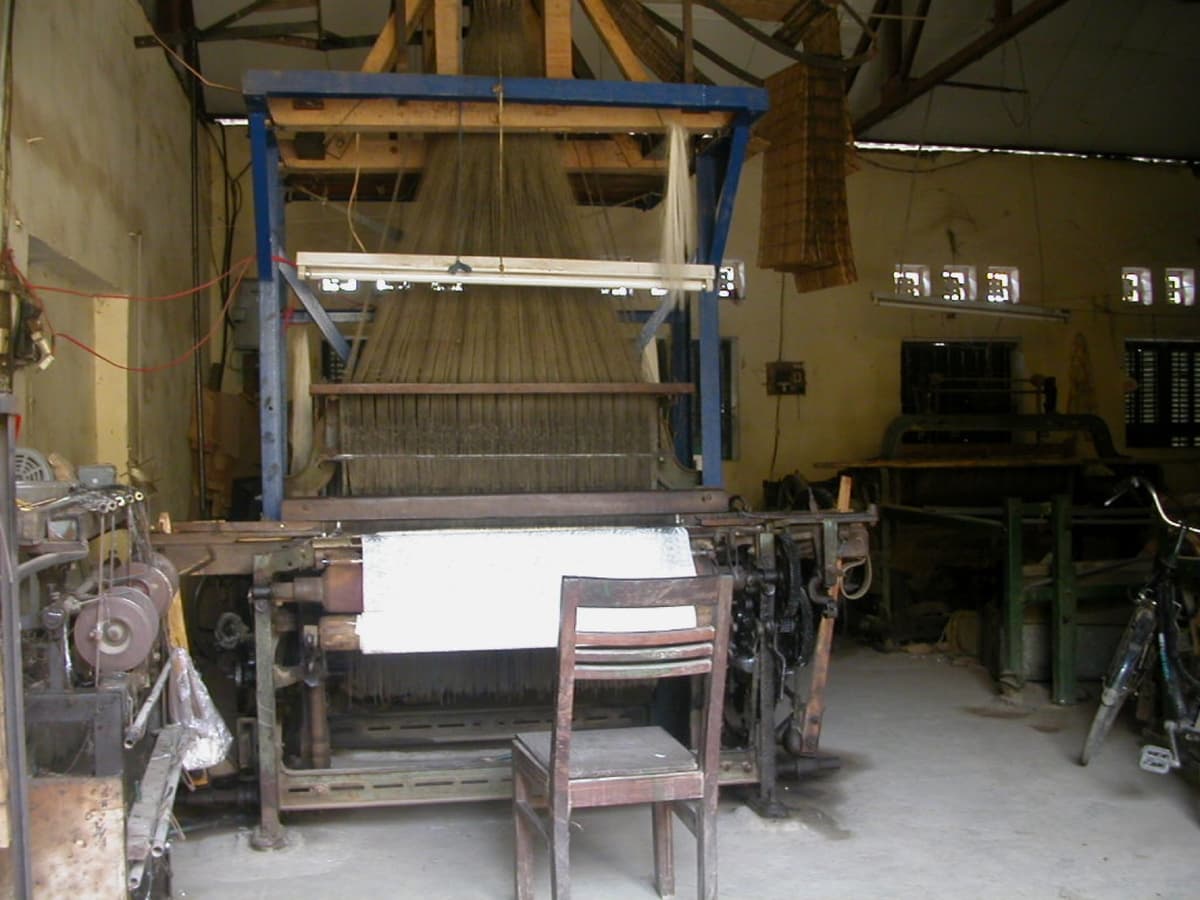
The core of Van Phuc silk's brand is its rigorous production process and superior fabric quality. Artisans undergo extensive training to master every stage, from selecting silk threads and spinning to weaving. The village's silk is famous for its luster, softness, durability, and high absorbency. The difference comes not only from high-quality natural silk but also from refined weaving techniques requiring intense concentration and skillful hands to create sharp patterns and motifs.
Diversity in Patterns and Traditional Designs
Over time, Van Phuc silk has been innovated to suit consumer tastes while preserving its traditional essence. Today, the village produces a wide range of fabrics, from smooth, plain weaves to intricate patterns. Signature motifs include flying clouds, dragon-phoenix, wild silk flowers, longevity cloud patterns, and four seasons plants. These patterns are rendered masterfully and creatively by artisans, making each piece not just apparel but an artwork rich in Vietnamese aesthetic and cultural value.
Current Production and Economic Development in the Village
Scale and Output Today
In the modern market economy, Van Phuc silk village maintains significant production scale. Currently, nearly 800 households are engaged in silk weaving, accounting for almost 60% of the village's households. Each year, the village produces about 2.5 to 3 million square meters of fabric, equivalent to 63% of the total revenue of the entire craft village. These figures highlight weaving's key economic role in local life and confirm market demand for traditional silk products.
Economic Model Combined with Experiential Tourism
Recognizing the value of traditional products tied to cultural stories, production facilities in Van Phuc have pioneered combining business with experiential tourism. Visitors not only admire beautiful silk products but also witness the process of making silk, from raw material preparation to weaving. This approach helps customers understand the value and effort of artisans, fostering appreciation and confident purchases. It is a smart strategy that promotes products and supports sustainable tourism.
Brand Promotion and Cultural Integration
Promotional Activities and Notable Events
To promote the traditional silk weaving craft and boost village tourism, local authorities and residents have organized many large-scale cultural and tourism events. A typical example is the Van Phuc Craft Village Culture, Tourism, and Trade Week themed "Van Phuc - Colors of Integration." The event features activities such as a procession honoring the craft ancestor, a fair showcasing handicrafts, a creative design contest, and an ao dai fashion show titled "Elegance of Ha Dong Silk." Heritage preservation activities like ca tru performances, water puppetry, calligraphy experiences, and folk games are also held, creating a distinctive cultural space that attracts many visitors.
Sustainable Tourism Development and Future Orientation
Going beyond production and sales, Van Phuc ward has built a sustainable tourism strategy by establishing Silk streets combined with supporting trades. Food streets, ornamental plant streets, antique cultural exchange centers, and accommodation and shopping options are planned to best serve tourists. These efforts were recognized when Van Phuc Silk Weaving Village was officially awarded the National Intangible Cultural Heritage certificate during the 2023 Culture and Tourism Week. This affirms the cultural, historical, and economic values contributed by the village and provides a solid foundation for Van Phuc to continue growing, enhancing its position in the cultural industry of the capital and the nation.
Conclusion: The Enduring Value of a Heritage
The over-1,000-year journey of Van Phuc silk village is a story of Vietnamese perseverance, creativity, and ambition. From a craft taught by Lady A La Thi Nuong, the village has weathered historical ups and downs to become a renowned domestic and international brand. Today, Van Phuc is not only a production village but also a cultural destination, a living heritage gradually integrating. The combination of preserving traditional values and developing sustainable tourism is the key to Van Phuc silk continuing to shine and assert its unique identity in the modern stream.