Vietnam's traditional crafts cover many different groups, from bronze casting, silk and brocade weaving, conical hat making, incense making and drum making to pottery and folk painting. Most of these crafts took shape and developed within craft villages, were passed down through generations, and are tied to the cultural and spiritual life of each region. This article offers an overview to help you map out the main branches of the topic before exploring individual craft villages.
One note before going further: the content below belongs to the realm of traditional and reference knowledge. Information about craft history, founder legends, or the feng shui meaning of handmade products largely comes from folk records and community transmission, and has not been fully verified by science. The article makes no promises about wealth, health or luck from using these products.
When did traditional crafts in Vietnam begin?
It is difficult to give a single date for all crafts in Vietnam, because each craft emerged in its own context. Many craft villages are linked to legends of a founder deity honoured by the community, and historical milestones are often recorded through oral tradition or through surviving steles and royal edicts.
Some crafts are said to be thousands of years old, while others are only a few hundred years old. What they share is a connection to the practical needs of the community: worship objects, household items, clothing, musical instruments, folk toys or spiritual items. Those needs sustained the craft villages over many generations.
What are the main groups of traditional crafts in Vietnam?
For easier tracking, they can be divided into a few broad groups.
The first is metalwork, typically bronze casting. This group requires metallurgy, mould making and surface treatment skills, and is often linked to long-established craft villages in the north and central regions.
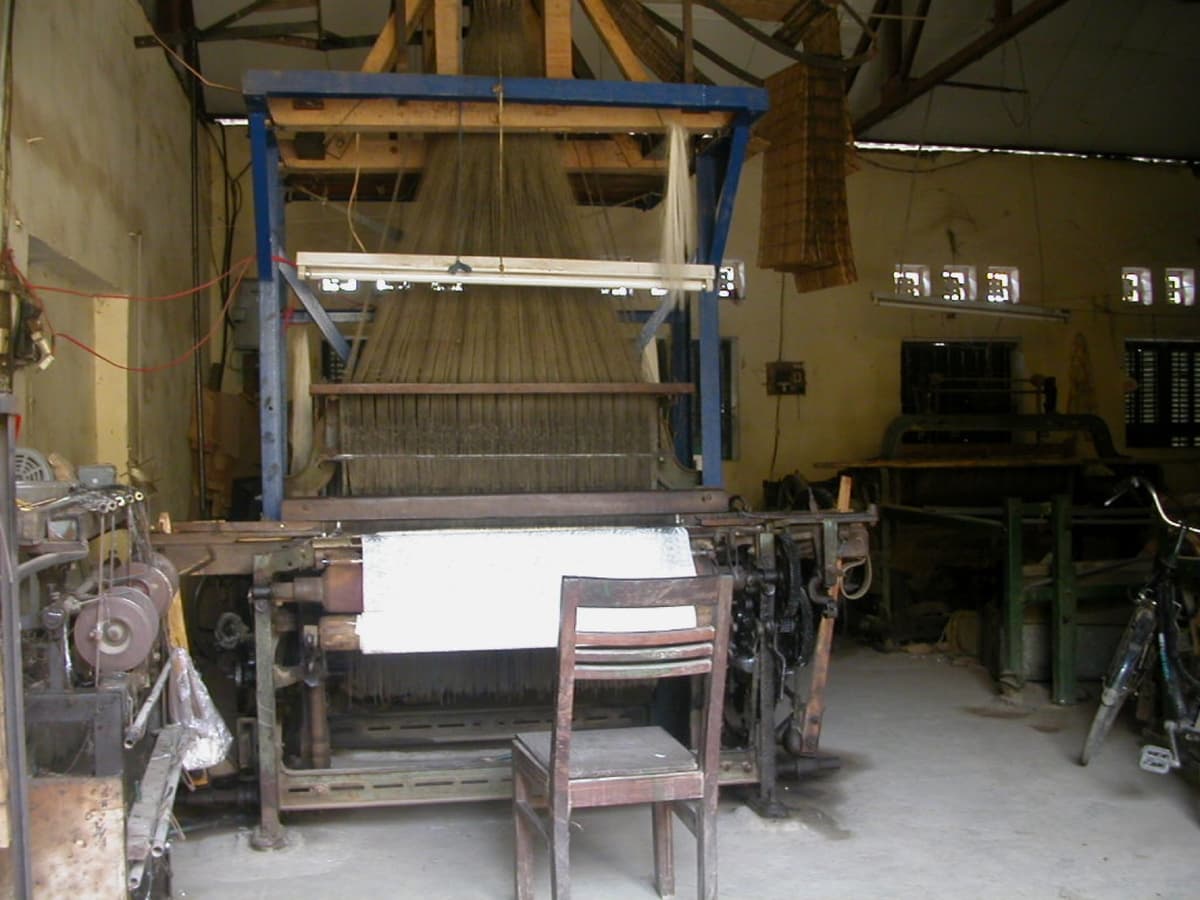
The second is weaving and textiles, including silk weaving and ethnic brocade weaving. This group is closely tied to natural materials and traditional dyeing techniques.
The third is crafts using plant materials, such as conical hat making, drum making and incense making. These are often connected to farming life, festivals and worship.
The fourth is pottery and decorative arts, including ethnic pottery traditions and folk painting. This group most clearly expresses artistic elements and regional cultural identity.
Which craft villages are typical for bronze casting?
Bronze casting is one of the craft groups with a dense concentration of villages in northern and central Vietnam. Bronze casting villages often focus on worship objects, bells, statues and household items.
In the north, names such as Dai Bai, Ngu Xa and Tra Dong are often mentioned in connection with bronze casting. Each village has its own strengths and secrets, producing items marked by local technique. In central Vietnam, Phuong Duc village in Hue is a familiar name in bronze casting.
Notably, bronze casting not only serves spiritual needs but also reflects the metalworking and design level of craftsmen across periods. This is a branch with many detailed articles on the site, which you can read to understand each village more deeply.
What is special about weaving and brocade?
Weaving is a craft group tied to clothing and ethnic identity. Two main directions are often mentioned: silk weaving by the Kinh people and brocade weaving by ethnic minorities.
For silk, long-established villages such as Van Phuc are often seen as symbols of traditional silk weaving. Weaving, dyeing and fibre treatment techniques determine the quality and beauty of the product.
For brocade, the weaving craft of the Cham people in My Nghiep is a typical example, linked to local legends and beliefs. Brocade patterns often carry symbolic meanings, reflecting ideas about nature, people and deities. This is a branch with great cultural depth that deserves separate study.
How are conical hat making and incense making tied to daily life?
Conical hats and incense are two handmade products close to Vietnamese daily life. Conical hats are linked to farming, travel and even the cultural symbol of women in some regions. Chuong village in Hanoi and hat-making villages in Hue are frequently mentioned. The Hue poem hat is a special variation, showing skill in shaping and decoration.
Incense is tied to worship, rituals and meditation. Traditional incense villages such as Cao Thon, Quang Phu Cau, Thuy Xuan or the incense villages of the Nung An people in Cao Bang show that incense making exists in many regions with different materials and techniques. What they share is the patience required in selecting materials, drying and shaping.
What role do drum making and pottery play in culture?
Drums are instruments tied to festivals, communal houses and community rituals. Doi Tam drum village in Ha Nam is one of the rare craft villages with clearly recorded historical milestones and founder information in folk records. Drum making involves choosing hide, choosing wood and tensioning the drumhead to create a distinctive sound.
Pottery is the craft group that most clearly shows the intersection of technique and art. Cham pottery in Bau Truc stands out for shaping without a mould and open-air firing, and has been recognised internationally. It shows that traditional crafts are not only production but also cultural heritage.
Is folk painting a traditional craft?
Yes. Dong Ho folk painting is a distinctive craft combining woodblock carving, printing and colouring with natural materials. It is tied to Tet and reflects farming life, beliefs and the aspirations of the people.
The international recognition of Dong Ho painting shows that the value of the craft lies not only in the product but also in the techniques and folk knowledge involved. This is a branch receiving conservation attention, alongside many other craft villages nationwide.
Why do craft villages still need to be preserved?
Craft villages are not only places of production but also environments that preserve techniques, craft language, customs and beliefs. When a craft village declines, what is lost is not only the product but also a part of the community's cultural memory.
Preserving craft villages therefore often involves several directions: sustaining craftspeople, passing the craft to the next generation, combining production with tourism and cultural promotion. However, this is a long process without immediate results, and it depends on many economic and social factors.
Overall, Vietnam's traditional crafts are a broad topic that can be approached by craft group, by region or by individual village. The detailed articles on the site will go deeper into each case, giving you a more concrete view of the techniques, history and cultural value of each craft.