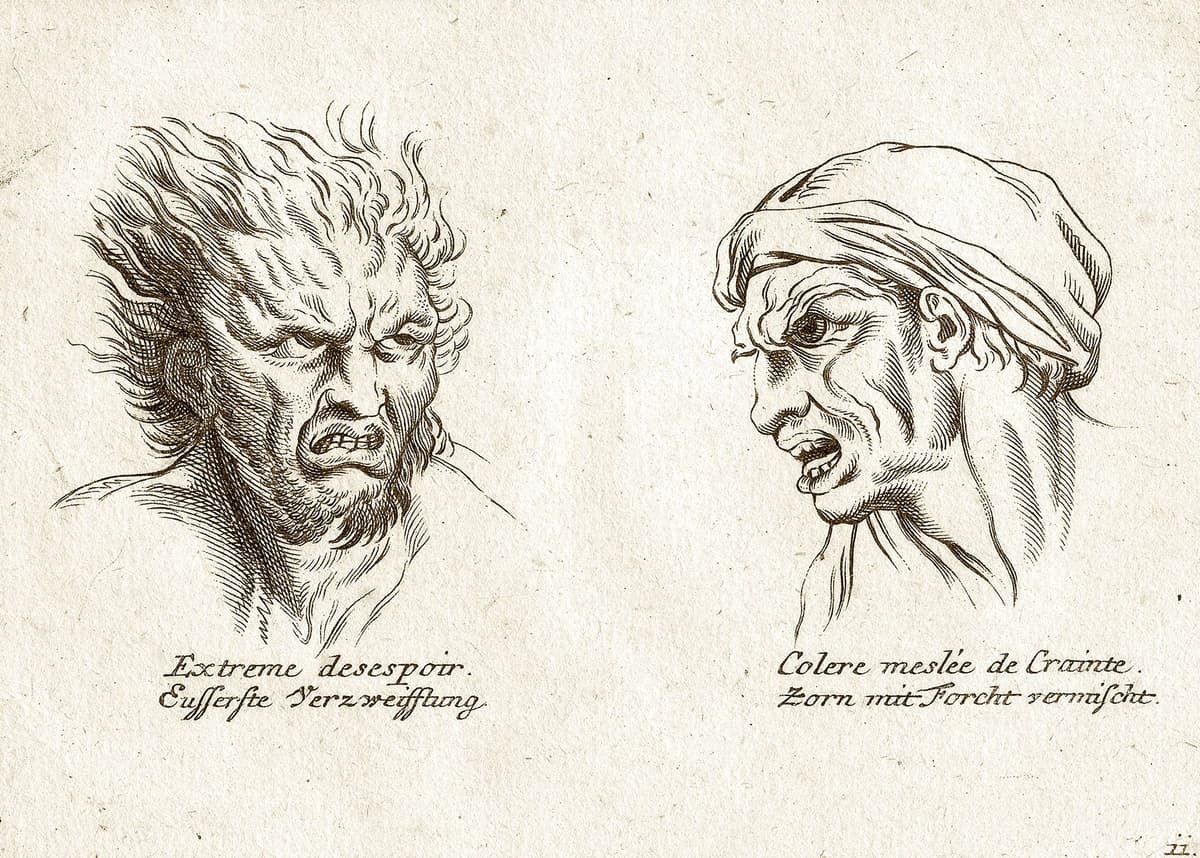
Introduction to Moles and Physiognomy
In many Eastern cultures, a mole is not just a pigment spot on the skin but is seen as a "mark" carrying messages about a person's character, destiny, and future. In physiognomy, interpreting moles is based on their location, color, size, and prominence on the body, especially the face. The face is like a miniature map with different zones, and the cheekbone is one of the important areas with multiple layers of meaning.
Origins and Basis of Mole Reading
Physiognomy originated in ancient China and India, then spread across Asia. Ancient people believed the human body is a unified whole, and surface signs like moles can reflect inner soul and destiny. Mole interpretation relies on principles such as:
- Five Elements and Yin-Yang: Each facial area connects to an element, an internal organ, or a life aspect.
- Harmony and Balance: A mole in a "good" position balances and enhances positive energy; in a "bad" position, it may weaken or create imbalance.
- Folk experience: Over millennia, observations linking moles to character and fate formed a rich oral tradition.
The Cheekbone Area in Physiognomy
The cheekbone is the prominent part of the face below the eyes and beside the cheeks. This area is often called the "wealth palace" or linked to power, status, career, and social relationships. Full, rosy cheekbones are considered a good sign, showing confidence, decisiveness, and leadership. Thus, a mole on the cheekbone is interpreted based on the interaction between the inherent nature of the area and the mole's energy.
General Meaning of Cheekbone Moles
For Women
According to folk physiognomy, women with a cheekbone mole often have these traits:
- Sensitive, melancholic nature: They are easily affected by surroundings, have a soft heart, are introverted, and sometimes pessimistic. As noted on VnExpress (Source 3), women with a cheekbone mole are "sensitive, introverted, melancholic, and prone to pessimism."
- Good communication skills: Despite sensitivity, they are quite good at communicating, making friends easily, and building relationships. Many sources say people with a cheek mole are "quite good at communicating, easy to socialize and make friends" (Source 2).
- Charming and romantic: In love, they are seen as attractive, charismatic, and able to captivate others. However, this can also bring complications in relationships if not handled tactfully.
- Smooth career: Some beliefs say a cheekbone mole in women aids career, bringing luck and success (Source 2).
For Men
Although most texts focus on women, for men, a cheekbone mole has distinct interpretations:
- Courage and initiative: Men with this mole are seen as bold and proactive in work and life (Source 2). They are not afraid of challenges and have leadership ability.
- Strong and decisive: Similar to women, men with this mole are considered strong-willed, decisive, and likely to achieve career success.
- Charming: Men with a cheekbone mole are also viewed as attractive to the opposite sex, easily drawing attention.
Detailed Analysis by Specific Cheekbone Positions
Not all cheekbone moles share the same meaning. Depending on whether it is on the right or left cheekbone, near the eye or near the ear, the interpretation differs.
Mole on the Right Cheekbone
In physiognomy, the right side often symbolizes men, the father, or masculine energy. A right cheekbone mole can indicate:
- Career and authority: This position is said to benefit career, helping one advance and attain high social status.
- Relationships with men: It may show good relationships with father, brothers, or male colleagues, receiving their support.
- Strong personality: Such a person is usually decisive, independent, and has clear opinions.
Mole on the Left Cheekbone
The left side represents women, the mother, or feminine energy. A left cheekbone mole often carries these meanings:
- Emotions and family: It relates to relationships with mother, sisters, or female relatives, suggesting a rich emotional life and strong family bonds.
- Sensitivity and intuition: People with this mole are often perceptive, intuitive, and empathetic.
- Financial luck: Some beliefs say a left cheekbone mole brings wealth, especially if near the cheekbone bone.
Mole Near the Eye or Under the Eye (Upper Cheekbone)
The upper cheekbone, just under the eye, reflects love and romance. A mole here is often called a "love mole" or "peach blossom mole." Its owner often:
- Is attractive and romantic: Has a special allure to the opposite sex, easily falls in love and makes others fall for them.
- Has passionate emotions: They tend to love intensely and romantically, but may face relationship ups and downs if emotions are not managed.
Mole Near the Ear (Lower Cheekbone)
The lower cheekbone, near the ear, relates to later years and friendships/colleagues. A mole here may indicate:
- Wide social network: The person easily makes friends and receives help from others.
- Comfortable old age: If the mole is bright and glossy, it can signal a prosperous and peaceful later life.
Meaning by Color and Shape
Color and shape are also important:
- Black, shiny, glossy mole: Considered auspicious, bringing luck and wealth. The owner often has a strong, decisive personality and is likely to succeed.
- Light brown or red mole: Usually gentler, with less impact on fate, or may relate to emotions and sensitivity.
- Raised, prominent mole: Amplifies the energy of that area, making its meaning more pronounced.
- Flat, small mole: Reduces impact, making the meaning more subtle.
Comparison with Other Views
There are differing perspectives on cheekbone moles. While Source 3 emphasizes sensitivity, melancholy, and pessimism, Source 2 claims it brings luck, career success, and good communication. This difference may stem from approach: Source 3 leans toward inner, emotional aspects, while Source 2 focuses on social and professional aspects.
In Western culture, a cheekbone mole is often seen as a charming accent, a symbol of elegance and allure. Many celebrities have cheek moles and are admired for them.
Cheekbone Moles and Modern Science
It must be stressed that, according to modern science, a mole is simply an overgrowth of pigment cells (melanocytes). They often appear due to sun exposure, genetics, or hormonal changes. There is no scientific evidence linking moles to personality or destiny. However, psychologically and socially, a person with a cheekbone mole may feel more confident and attractive, which can positively affect communication and relationships. This indirectly reinforces folk beliefs.
Conclusion
The cheekbone mole is a fascinating topic in folk physiognomy, with many layers of meaning. Whether seen as a sign of sensitivity and melancholy or a symbol of luck and wealth, these interpretations are for reference, helping us understand culture and ancient views. Most importantly, everyone should cherish their unique traits, live positively, and not let such predictions limit their potential.