Moles in Physiognomy: A Miniature Map of the Face
In the treasury of Eastern physiognomy, the face is likened to a miniature map reflecting a person's personality, intelligence, and destiny. Each feature and each pigment spot on the face has its own interpretation, and moles are among the most noted elements. The ancients compared moles to "stars in the sky of the face," each position carrying its own message.
Physiognomy (Mian Xiang) is a traditional Chinese divination discipline, appearing since the Yellow Emperor era, based on observing facial features to guess personality, health, and destiny. Moles (痣 - zhi) are considered one of the important factors in this system. However, it must be emphasized from the start: this is referential knowledge, not mainstream science.
Basic Principles: Three Courts and Palaces
Division into Three Courts
The basic principle of physiognomy divides the face into three parts:
- Upper part (from forehead to eyebrows) represents youth (0-30 years)
- Middle part (from eyebrows to nose tip) corresponds to middle age (31-50 years)
- Lower part (from nose tip to chin) symbolizes later life (over 50 years)
Moles in which area are believed to clearly influence that life stage. This is the foundational principle helping physiognomists locate the meaning of each mole on the face.
Classification by Morphology
Not all moles are the same. Physiognomy distinguishes two main types:
- Good moles: Usually black or bright red, glossy surface, clear boundaries, raised or flat but not ulcerated. These moles are considered auspicious, indicating talent, luck, or benefactor support.
- Bad moles: Pale color (light brown, gray), dry, uneven surface, growing in clusters or with long hair. They are often seen as signs of misfortune, illness, or obstacles in life.
Additionally, central or left/right offset positions also have different meanings. According to the concept "male left, female right," moles on the left have strong meaning for men, on the right for women. Moderate size (1-3mm) is considered ideal, raised moles on the skin surface are often believed to have more pronounced influence than flat moles.
Mole Map by Facial Areas
Forehead and Eyebrow Area
Mid-forehead (Yintang): A bright black mole here is often believed to indicate an intelligent person with vision, easy career success. However, if the mole is offset, it may cause financial loss or relationship conflicts.
Near hairline: Moles here belong to the parents' palace, according to physiognomy a sign of a filial person, but prone to obstacles in inheriting family property.
On eyebrows: Eyebrows are called "Brothers' Palace," representing relationships with siblings, friends, colleagues, and superiors, also reflecting longevity, career, power, and leadership ability. Moles in this area are analyzed very carefully:
- Eyebrow head (near nose bridge): Sign of intelligence, agility, and innate leadership ability. The owner often has command qualities, good at organizing work and persuading others. However, excessive confidence can sometimes make them stubborn.
- Mid-eyebrow: Considered the central position gathering the most energy, signaling a prosperous, full life with few major upheavals. This person has a gentle, calm personality, balancing reason and emotion.
- Eyebrow tail: Carries meaning of luck in making friends, expanding business relationships. People with moles at the eyebrow tail are often sociable, approachable, with good communication skills.
- Within the eyebrow body: Enclosed by the eyebrow, this is one of the most highly rated positions, indicating leadership talent, good later life, longevity, and health.
Eye, Nose, Cheek Area
Eye tail (Property Palace): Moles near the eye tail, folk-called "love moles," often associated with many romantic hardships, but can also be a sign of loyalty if symmetrically placed.
Under eyes: This area belongs to the Children Palace. A bright black mole under the eye corner can be good for offspring, but if faint, it may indicate difficulties in childbirth.
Nose bridge: Moles on the nose bridge, especially the highest part (Shangen), are often considered bad because they block qi flow, causing family discord. If at the nose tip (Wealth Palace), it may lead to financial loss, difficult business.
Nose wings: Conversely, moles on both sides of the nose wings (Secondary Wealth Palace) are seen as signs of wealth, good money management.
Cheekbones: Cheekbones are in the raised part of the face, under the eyes and on both sides, often called "Wealth Palace" or related to power, status, career, and social relationships. Moles on cheekbones show power and fame. If bright black, the person has prestige, easy promotion; if offset or faint, prone to petty people's harm.
Mouth, Chin, Ear Area
Mouth corners: Moles right at the mouth corners (called "greedy eating moles") show a person good at speaking, with eloquence, easy to socialize. But if too close to the edge, may cause gossip.
Lips: Moles on the upper lip often indicate a person passionate about cuisine, rich emotions; on the lower lip, a sign of loyalty. However, some schools believe moles on lips easily lead to romantic hardships.
Chin: Moles on the chin (Earth Palace area) are among highly rated positions, indicating blessings, longevity, good later life, especially if centered on the chin.
Ear rim: Ears are considered one of the most important parts to assess blessings and longevity. The ancients said "big ears, thick earlobes" is the physiognomy of the rich and long-lived. Moles on the ear rim or earlobe are often signs of a blessed person, given assets by parents or helped by benefactors. If in the ear canal, may be a quick-witted person, fond of learning.
Where Variants Disagree
The most notable point when studying folk mole maps is the inconsistency between sources. The same position can be interpreted in different, even opposite, ways.
Moles on Cheekbones
This is the most typical example of difference. Some sources emphasize that women with moles on cheekbones often have sensitive personalities, introverted, sentimental, and prone to pessimism. Meanwhile, other sources say moles on cheekbones bring luck, smooth career, and good communication skills. This difference may be due to approach: one leans toward inner, emotional aspects, the other toward social, work aspects.
Moles on Lips
Moles on the upper lip are seen by some sources as signs of a sentimental, loyal person, while others say moles on lips easily lead to romantic hardships. Similarly, moles on the lower lip are both seen as signs of loyalty and associated with people passionate about material enjoyment.
Moles on Eyebrows
Moles right in the middle of the eyebrow body: some sources say it indicates hot temper, easy conflict, but others rate it as a very good position, indicating a prosperous life and gentle personality. This shows that even within the same school, folk variants are inconsistent.
Causes of Differences
This inconsistency can be explained from multiple angles:
- Physiognomy is oral knowledge, passed through generations and different regions, each with its own interpretation.
- Different physiognomy schools (Chinese, Indian, Vietnamese) have not entirely identical palace systems and interpretation methods.
- Local cultural factors influence interpretation, e.g., concepts of gender, marriage, wealth.
- Some modern sources may blend traditional physiognomy with Western concepts of moles as symbols of charm.
Scientific Perspective and Modern View
According to modern medicine, moles (nevi) result from benign local proliferation of skin pigment cells (melanocytes). They can appear anywhere on the body, often due to genetics and sun exposure. The more UV exposure, the more moles tend to increase, especially in exposed skin.
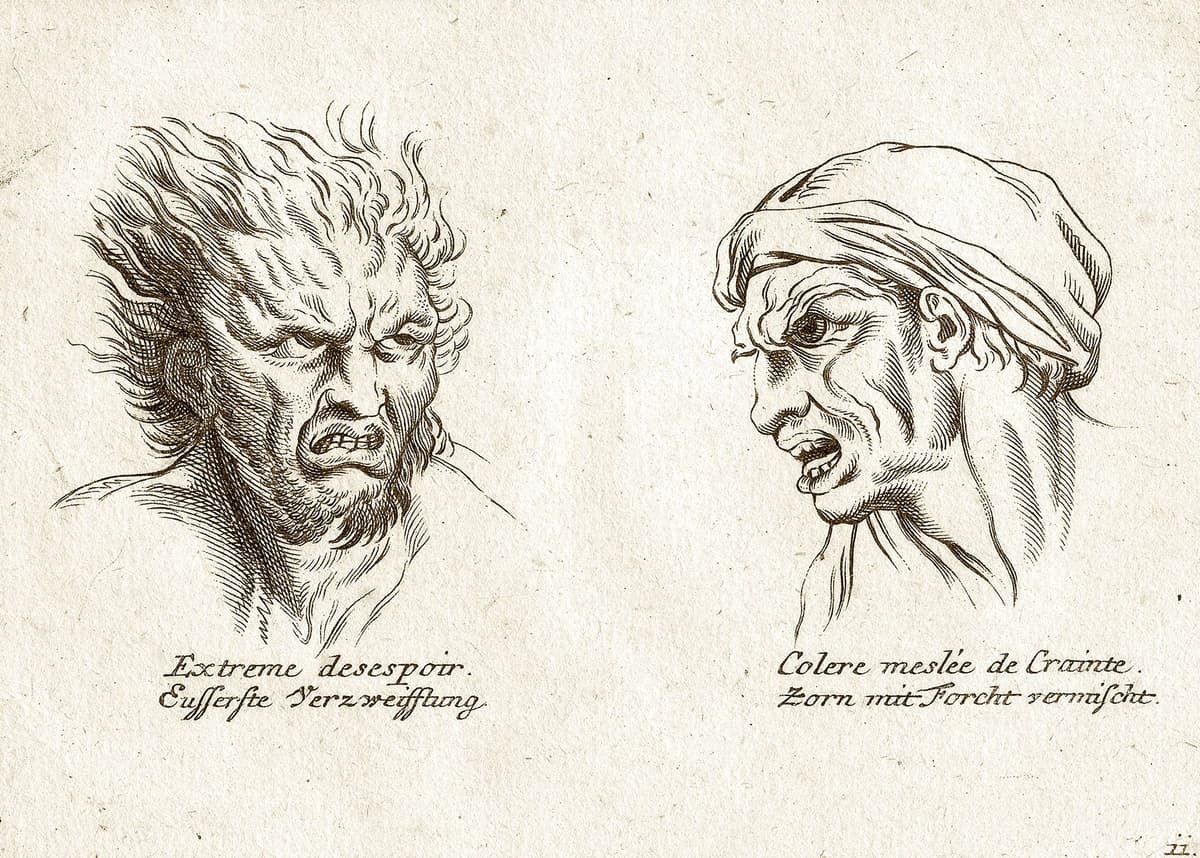
Physiognomy, including mole reading, is traditional experiential knowledge, not recognized in mainstream science. History has shown efforts to link appearance with personality or criminal behavior, such as Cesare Lombroso's "born criminal" theory in the 19th century, were rejected as biased. Modern AI facial recognition studies also raise ethical and racial bias controversies.
However, culturally, studying moles via physiognomy still has value as a way for people to reflect on themselves, reflecting the concept "mind generates physiognomy" - good character reflects outwardly. The ancients said: "With mind, no physiognomy, physiognomy arises from mind; with physiognomy, no mind, physiognomy perishes with mind," meaning if one has a good mind, bad physiognomy becomes good, and vice versa, good physiognomy with bad mind will decline.
Health-wise, if moles show abnormal signs like changes in size, color, shape, or itching, bleeding, see a dermatologist for timely check. Self-tattooing or dotting moles on sensitive skin areas like lips also carries health and aesthetic risks.
Conclusion
Reading moles on the face is an interesting part of Eastern physiognomy, helping us understand how ancients observed and interpreted the world. Though without scientific basis, if viewed as a cultural lens, it can bring meaningful lessons about cultivating character, living in harmony with nature. Notably, folk mole maps are not a consistent system, but a collection of different variants, reflecting the diversity of oral knowledge. Wherever moles are, the most important is how we live and treat others.