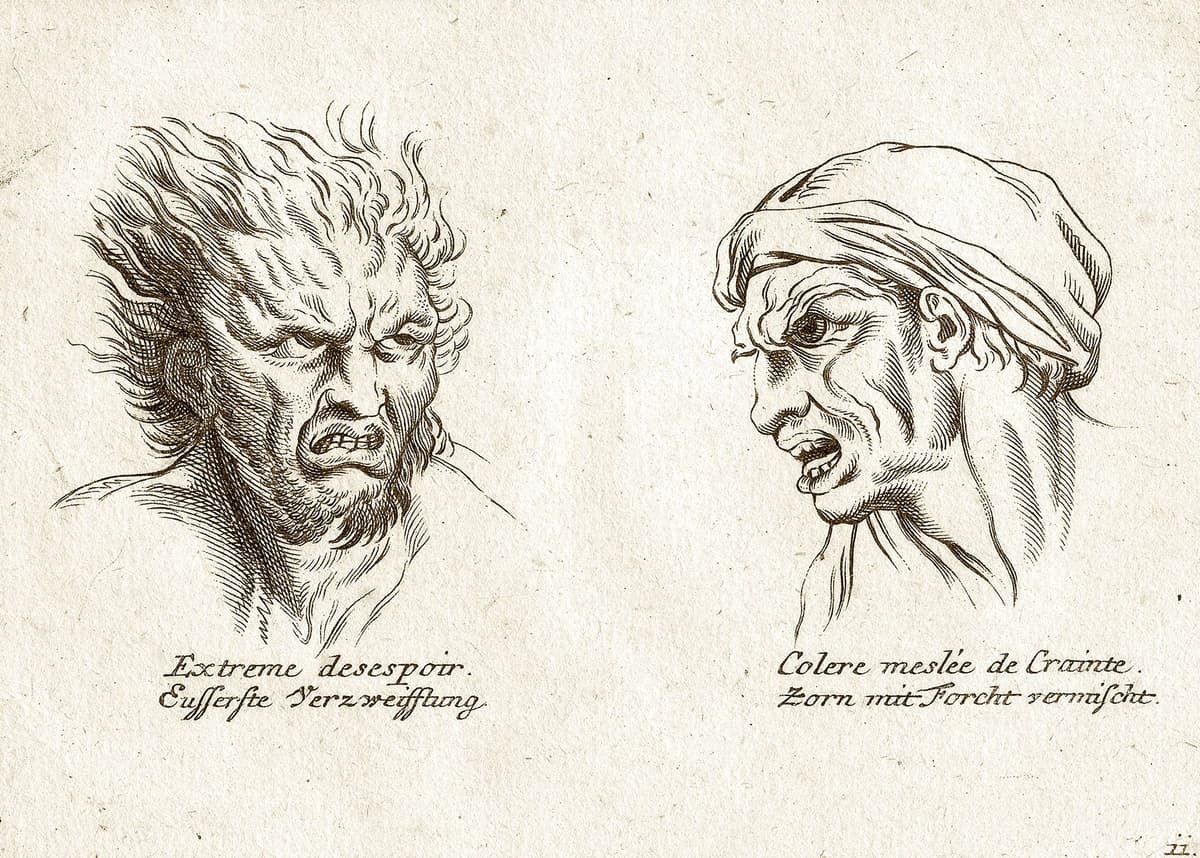
Moles on the Chest and Multi-Dimensional Views in Physiognomy
In the treasury of Eastern physiognomy, a mole is not merely a skin feature but is seen as a "symbol" reflecting a person's personality, destiny, and inner self. The chest area, where reason and emotion, heart and ambition intersect, is one of the most noted regions. This article delves into the meaning of chest moles from a folk cultural perspective, while comparing different views to offer a comprehensive and objective outlook.
Origin and Formation Mechanism: From Science to Spirituality
Scientific Perspective
Before discussing physiognomic meanings, it is essential to understand the origin of moles. Scientifically, moles appear when pigment-producing skin cells (melanocytes) grow in clusters rather than being evenly distributed across the skin. Most moles tend to appear on skin areas frequently exposed to sunlight. Therefore, excessive sun exposure can increase the number of moles on the body.
Cultural and Physiognomic Perspective
Unlike the scientific view, physiognomy and various Asian and Indian cultures regard moles as special marks that may reveal hidden aspects of a person. Ancient beliefs held that the location of moles on the body, including the chest, is closely linked to one's personality, destiny, and relationships. This notion has become deeply ingrained and part of folk culture.
Meaning of Chest Moles by Specific Location
The chest is a large area, and according to physiognomy, the exact position of a mole carries different, even contrasting, meanings. The most basic division is based on the left and right sides of the chest.
Right Chest Mole: Symbol of Confidence and Ambition
According to many physiognomy sources, a mole on the right chest is often associated with strong, outgoing qualities.
- Confidence and Decisiveness: Individuals with a mole here are often described as confident, decisive, and capable of leading. They are pioneers who do not shy away from challenges and always aim for their goals.
- Ambition and Enthusiasm: A right chest mole is also seen as a sign of ambition and passion. They have strong inner drive to pursue success and often attain significant positions in their careers.
- Multi-Dimensional View: However, some folk beliefs suggest that women with a chest mole may be inclined toward a luxurious, wealthy, and vain lifestyle, favoring materialism and harboring great ambitions. This contradiction indicates that moles should be considered alongside other facial and bodily features, not in isolation.
Left Chest Mole: Emotional Depth and Loyalty
If the right chest represents reason and action, the left chest, where the heart lies, symbolizes emotion and inner life.
- Emotional Depth: A mole on the left chest is believed to reflect a person with profound emotional depth. They love intensely, are sentimental, and have the ability to cherish memories and moments for a long time.
- Loyalty and Protective Instinct: In folk tradition, a mole near the heart symbolizes loyalty and a protective instinct. Such individuals are thought to always stand by their loved ones, ready to shield and protect family no matter the hardship.
- Romance and Sensitivity: They are ideal partners, faithful and affectionate. However, their high sensitivity also makes them vulnerable and sometimes overwhelmed by their own emotions.
Comparing Views and Folk Variations
Physiognomy is not an exact science, and many variations and schools exist, leading to inconsistent interpretations of the same mole location.
Views on Laziness and Indulgence
Some texts on female physiognomy claim that women with chest moles tend to be lazy, enjoying a lavish and frivolous lifestyle. This view somewhat contradicts the earlier notion of ambition and decisiveness. The difference may arise from considering other factors like the mole's color, elevation, size, or accompanying facial features.
Views on Luck and Fortune
Meanwhile, many other cultures, including classical astrology and Indian physiognomy, regard a chest mole as a lucky sign. It may relate to attractiveness, charm, and the ability to build good social relationships, thereby bringing more opportunities in life.
Additional Factors to Consider
For a relatively complete and accurate interpretation of a mole's meaning, physiognomists often consider not just location but also the following factors:
- Color: Moles that are pink, light brown, or jet black are generally considered better than bluish-black or grayish ones.
- Elevation: Raised, round moles are often valued more than flat, sunken ones.
- Clarity: Moles with clear borders between the mole and surrounding skin are more positive than faint or poorly defined ones.
- Hair on the Mole: According to folklore, a mole with long hair growing out is a "living mole," bringing more blessings and luck.
Conclusion: The Blend of Spiritual and Scientific Factors
A mole on the chest, whether on the left or right, carries profound layers of meaning in folk physiognomy. It may symbolize ambition, confidence, emotional depth, or loyalty. However, it must be emphasized that these are only reference concepts derived from experience and folk culture, not scientific conclusions or prophecies of fate.
Scientifically, a mole is simply an overgrowth of pigment cells. Overusing or overly trusting such physiognomic beliefs can lead to misguided life decisions. The most appropriate approach is to harmoniously combine exploring traditional cultural values while keeping a cool head and a warm heart to shape one's own destiny. If you have any health concerns regarding changes in a mole (size, color, shape, bleeding, etc.), you should consult a dermatologist.