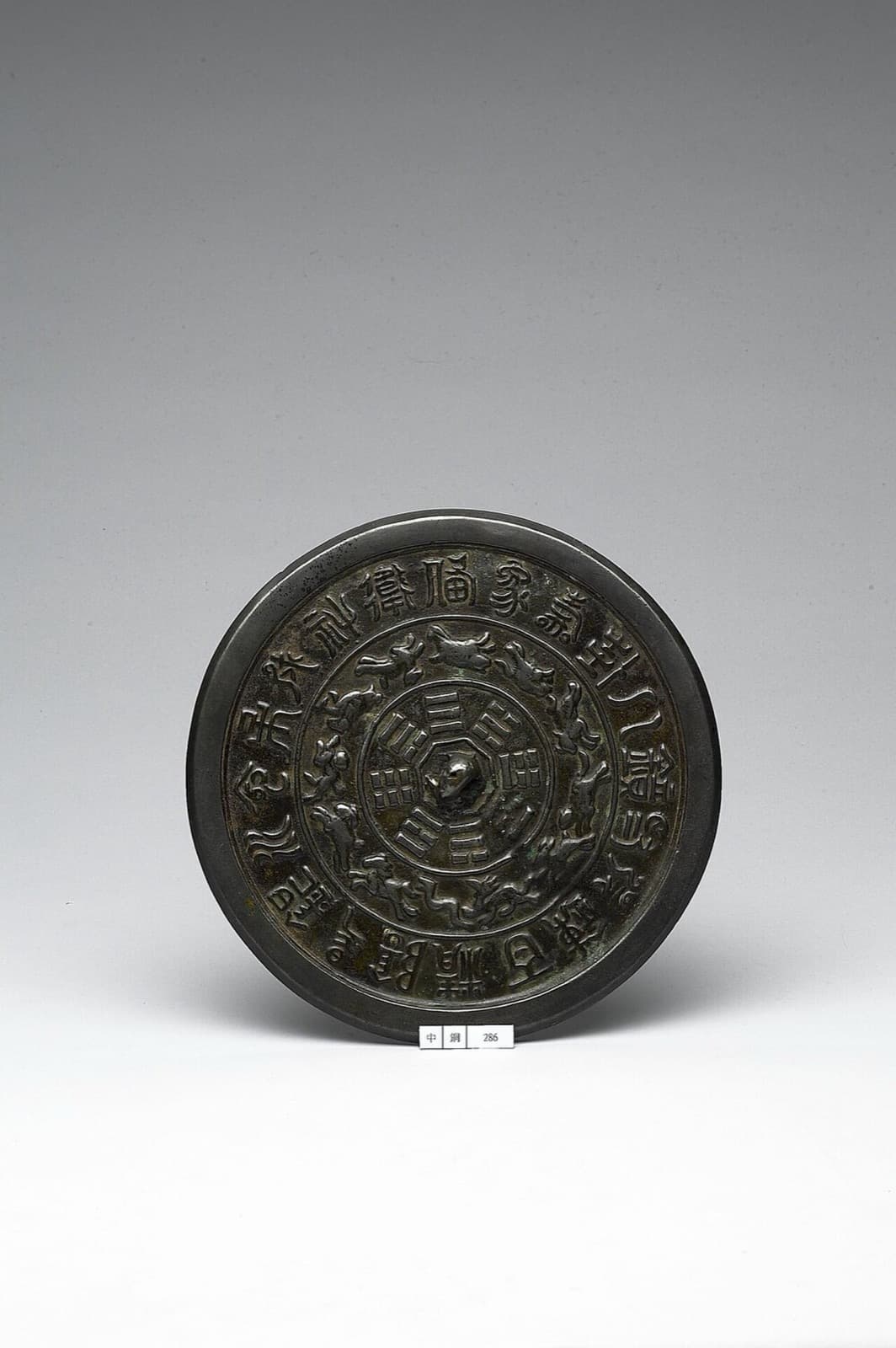
The Role of Mirrors in Feng Shui
In Feng Shui, mirrors are not merely decorative items or everyday grooming tools; they are considered powerful tools to regulate and guide the flow of chi (energy) within a home. Mirrors can reflect, amplify, and disperse energy, while also creating visual effects that make spaces appear larger and brighter. However, if placed incorrectly, mirrors can reflect negative energy, create feelings of unease, or disrupt the harmonious flow of energy. Understanding the principles of mirror placement is essential to harness their benefits and avoid potential pitfalls.
Basic Principles for Hanging Mirrors
Reflecting Positive Imagery
According to Feng Shui, mirrors should be placed where they reflect positive, auspicious images. One of the best placements is where the mirror reflects the front door or an open space, welcoming new energy into the home. A mirror reflecting the dining table, symbolizing family unity and abundance, is also considered favorable. Similarly, if a mirror reflects healthy plants, fresh flowers, or auspicious objects, it helps spread that positive energy throughout the space.
Avoiding Negative Reflections
Conversely, mirrors should never reflect negative areas or objects:
- Bathroom door: Bathrooms accumulate stagnant or negative energy; a mirror reflecting the bathroom door can spread this energy throughout the house, affecting health and wealth.
- Sharp corners or pointed objects: Sharp corners from furniture or walls create 'sha chi' (killing energy). Mirrors reflecting these corners amplify the negative energy, causing tension and discord.
- The bed: Hanging a mirror facing the bed is a major taboo. While sleeping, one's energy is at its weakest; a mirror reflecting the bed can cause restlessness and health issues. If unavoidable, cover the mirror while sleeping.
- Main entrance: Although a mirror reflecting the front door can attract energy, if hung directly opposite the door, it will push auspicious energy back out. Place mirrors at a perpendicular position or beside the door instead.
Proper Placement and Height
In living rooms or common areas, mirrors should be hung at eye level of an average adult to ensure easy viewing and visual balance. Modern Feng Shui experts suggest hanging mirrors slightly above eye level to create a sense of spaciousness and elevate the visual field. Avoid placing mirrors too low or too high, as this may cause imbalance and discomfort.
Applying Mirrors in Different Spaces
Living Room
The living room is the energetic center of a home. Mirrors here not only make the space appear larger but can also remedy Feng Shui defects. For instance, if the sofa must face away from the door, a well-placed mirror can reflect the space behind, giving a sense of security and control. Mirrors should also reflect windows or natural light sources to enhance brightness and vitality.
Bedroom
As mentioned, mirrors facing the bed are forbidden. If your bedroom has a large mirror, consider moving it to another location, such as inside a wardrobe door or a vanity that can be closed. If not, cover the mirror with a cloth when sleeping. Alternatively, use a small mirror that only reflects a part of the body, not the entire bed.
Home Office
In a home office, mirrors can be used to reflect the door, allowing you to see who enters without turning around. This creates a sense of safety and control, enhancing focus and productivity. However, avoid placing a mirror directly reflecting your desk, as it may cause distraction and pressure.
Small Spaces
For small apartments or tube houses, mirrors are useful to create an illusion of space. However, avoid hanging too many mirrors, as this can cause visual and energetic confusion. Choose one or two strategic spots, such as a hallway or a dark corner, to reflect light and add depth.
Other Important Considerations
- Avoid broken or cracked mirrors: Broken mirrors are considered bad luck and carry negative energy. Replace them immediately.
- Choose appropriate frames: The frame should harmonize with the five elements of the space. Wooden frames (Wood element) suit east-facing rooms; metal frames (Metal element) suit west or northwest-facing rooms. Avoid sharp-edged frames.
- Mirrors facing each other: Two mirrors facing each other create an infinite reflection, causing energy disorder and unease. Avoid this arrangement.
- Keep mirrors clean: Dirty or cloudy mirrors reduce their ability to reflect positive energy. Keep them clean and shiny.
Conclusion
Mirrors are powerful Feng Shui tools that can bring many benefits when used correctly. By following basic principles such as reflecting positive imagery, avoiding negative reflections, and choosing appropriate placement, size, and frame, you can maximize the positive energy from mirrors, creating a harmonious, prosperous, and vibrant living space. Always listen to your own feelings and adjust flexibly for the best results, as Feng Shui is not a rigid rule but an art of creating balance in life.